finance
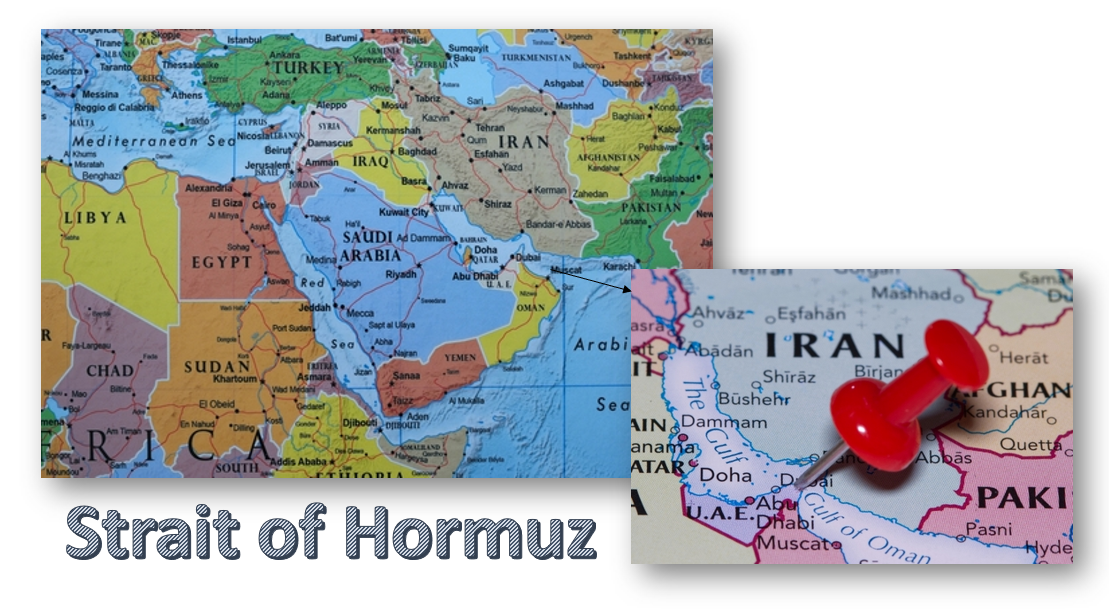
Global Equities Near Highs After Strait of Hormuz Closure
Global stock markets remain near record levels despite the closure of the Strait of Hormuz and signs of slowing growth paired with rising inflation. Goldman Sachs attributes the resilience to strong corporate earnings and upward revisions to earnings forecasts for 2026 and 2027.
May 19, 9:16 AM·1m read1 source
DE
 activistpost.com
Audio version
Tap play to generate a narrated version.
Developing·Limited corroboration so far. This page will refresh as more sources emerge.
Global equities have stayed near all-time highs even as the Strait of Hormuz closed and growth-inflation dynamics worsened. Goldman Sachs said the gains rest mainly on strong corporate earnings. Rising nominal global GDP and improved outlooks for technology and energy sectors have supported those earnings.
500 earnings-per-share forecasts for 2026 and 2027 were revised sharply higher because of increased artificial-intelligence investment and higher energy prices. The rally has been concentrated in technology, media, and telecommunications stocks. Risk appetite has reached extreme levels and retail trading volume has increased.
Sachs warned that rising oil prices, persistent inflation, and higher bond yields could lead to a near-term equity correction.
Transparency
How sources framed this
DE
DE
Single source — no framing comparison available.
CorroborationModerate · 1 source