finance
Global Sovereign Bond Yields Rise After Strait of Hormuz Disruption
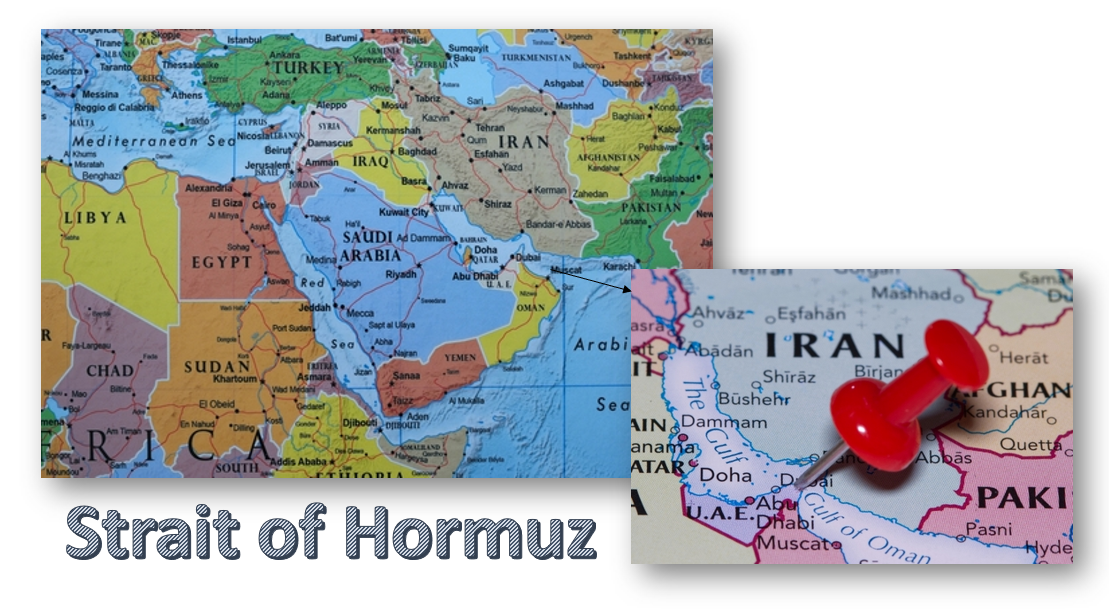
Sovereign debt markets saw yields increase last week after the Strait of Hormuz faced restrictions affecting oil transit. Countries reliant on oil imports reported widening trade deficits and considered selling reserves or issuing new debt.
May 27, 3:51 PM·1m read1 source
 activistpost.com
Audio version
Tap play to generate a narrated version.
Developing·Limited corroboration so far. This page will refresh as more sources emerge.
Global sovereign debt markets recorded higher yields on Friday after the Strait of Hormuz experienced restrictions on oil shipments. The waterway normally carries about 20 percent of global oil supply and one-third of seaborne oil. Reduced flows pushed oil prices higher for net importers.
Countries facing larger energy import bills reported widening current-account deficits. Officials said they could sell foreign-exchange reserves or issue additional debt to cover the gap. Both options increase selling pressure on existing bonds or require new issuance at higher rates to attract buyers.
Gulf oil exporters that previously purchased sovereign bonds reduced those purchases, according to market reports. The combination of higher deficits and lower demand for government debt contributed to the observed rise in yields.
Transparency
How sources framed this
Single source — no framing comparison available.
CorroborationLimited · 1 source