Substrate
politics

Global Supply Disruptions from Iran Conflict Raise Condom Production Costs by 30%

The ongoing Iran war is disrupting global supply chains, leading to higher costs for condom production materials and shipping delays, according to the world's largest condom manufacturer. Karex, based in Malaysia, reported increases in silicone oil prices and shortages of synthetic rubber. These issues may result in condom price hikes of up to 30% for consumers.

Fox News
theverge.com
insidermonkey.com
3 sources·Apr 28, 1:49 PM(31 days ago)·1m read
|
Global Supply Disruptions from Iran Conflict Raise Condom Production Costs by 30%Substrate placeholder — needs review
Audio version
Tap play to generate a narrated version.

The Iran war is driving up costs for key materials in condom manufacturing, with silicone oil prices rising about 30% and aluminum for foil packaging reaching a four-year high, Fox News reported. Karex, the world’s largest condom manufacturer based in Malaysia, stated that these disruptions could lead to condom prices increasing by up to 30%.

The company produces more than 5 billion condoms every year and exports to over 130 countries worldwide.

Karex CEO Goh Miah Kiat stated that increasing raw material costs are driving up production expenses due to global supply chain disruptions linked to the war. He noted shortages of synthetic rubber used in some non-latex condoms as a further strain. The conflict is straining global energy and supply chains, with shipping through the Strait of Hormuz slowing sharply.

The Strait of Hormuz, surrounded by Iran, Oman, and the United Arab Emirates, serves as a critical artery for global energy supplies. Ships carrying oil and other fuel are prevented from traversing the Strait of Hormuz amid the conflict, contributing to higher costs for petroleum-based products like plastics and rubber.

Fox News reported that this bottleneck is creating higher costs and shipping delays that shrink supply and raise prices.

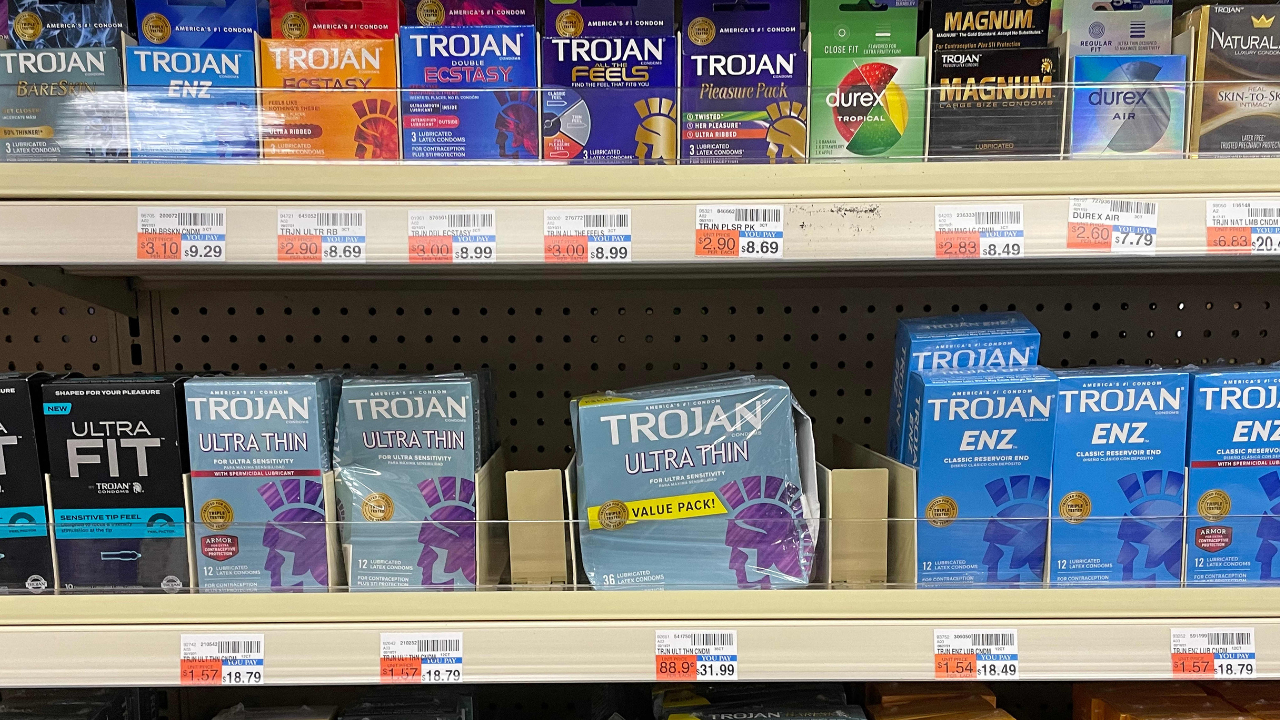
Karex supplies condoms to the world's largest brands, including Trojan and Durex. The company also manufactures personal lubricants, catheters, probe covers, and gloves, underscoring broader impacts from the supply disruptions. U.S.

And Europe are taking up to two months to arrive due to shipping delays. Developing countries are experiencing even longer shipping delays for Karex products. Karex helps supply United Nations aid programs, raising concerns that disruptions could affect vulnerable populations.
Goh Miah Kiat highlighted how the energy crunch from the conflict is pushing the company to consider price increases. The war's impact extends to niche consumer goods, with inventory stuck at sea rather than reaching shelves. Karex is struggling to keep up as demand outpaces supply amid these pressures.

Key Facts

Condom price increase
Karex CEO stated condom prices may rise up to 30% due to Iran war disrupting supply chains.
Material cost rises
Silicone oil up 30%, aluminum at four-year high, shortages of synthetic rubber for non-latex condoms.
Shipping delays
Products to U.S. and Europe taking up to two months; longer delays for developing countries.
Karex operations
Produces over 5 billion condoms yearly, exports to 130+ countries, supplies brands like Trojan and Durex.
Broader impacts
Disruptions affect UN aid programs and other products like lubricants, catheters, and gloves.

Story Timeline

6 events
  1. 2026-04-28

    Current date, with ongoing Iran war disrupting supply chains and driving up condom production costs.

    1 sourceFox News
  2. Recent (post-2025)

    Iran war strains global energy and supply chains, slowing shipping through Strait of Hormuz.

    1 sourceFox News
  3. Recent (post-2025)

    Aluminum prices for foil packaging reach four-year high due to conflict.

    1 sourceFox News
  4. Recent (post-2025)

    Silicone oil prices rise about 30% amid shortages of synthetic rubber.

    1 sourceFox News
  5. Ongoing

    Karex reports shipping delays of up to two months to U.S. and Europe, longer for developing countries.

    1 sourceFox News
  6. Annual

    Karex produces more than 5 billion condoms yearly and exports to over 130 countries.

    1 sourceFox News

Potential Impact

  1. 01

    Increased production expenses for manufacturers reliant on petroleum-based materials.

  2. 02

    Higher consumer prices for condoms and related products worldwide.

  3. 03

    Broader strain on global supply chains for plastics and rubber products.

  4. 04

    Delays in supply to UN aid programs, affecting vulnerable populations.

  5. 05

    Potential shortages in developing countries due to extended shipping times.

Transparency Panel

Sources cross-referenced3
Framing risk0/100 (low)
Confidence score86%
Synthesized bySubstrate AI
Word count320 words
PublishedApr 28, 2026, 1:49 PM
Bias signals removed3 across 3 outlets
Signal Breakdown
Loaded 3

Related Stories

Trump Meets Advisers to Decide on Iran Ceasefire ExtensionBBC News
politics52 min ago

Trump Meets Advisers to Decide on Iran Ceasefire Extension

President Trump said he is holding a Situation Room meeting to make a final decision on a possible deal with Iran. The proposed agreement would extend the ceasefire by 60 days and reopen the Strait of Hormuz.

Al Jazeera
JA
MA
AF
AJ
+6
11 sources
Trump to Decide on Iran Deal in Situation Room Meetingmiddleeasteye.net
politics52 min ago

Trump to Decide on Iran Deal in Situation Room Meeting

President Trump said Friday he is heading into the Situation Room to make a final determination on a potential agreement with Iran. The proposed deal would reopen the Strait of Hormuz without tolls and require destruction of Iran's highly-enriched uranium.

LI
Just the News
CBS News
3 sources
Vietnam Clears Graves for Trump Organization Project in Hung Yen Provincebenzinga.com
politics52 min ago

Vietnam Clears Graves for Trump Organization Project in Hung Yen Province

Farmers in Hung Yen province are exhuming family graves to make way for a $1.5 billion Trump Organization development that includes hotels, villas and a golf course. The project, approved last year, has drawn local resistance over compensation levels and relocation of remains.

The Independent
1 source