Google and SpaceX Discuss Orbital Data Centers
The search company is discussing a rocket launch agreement with SpaceX to place data centers in orbit as demand for artificial intelligence computing grows. The company is also in discussions with other rocket providers. A deal would provide a boost to SpaceX ahead of a potential initial public offering.
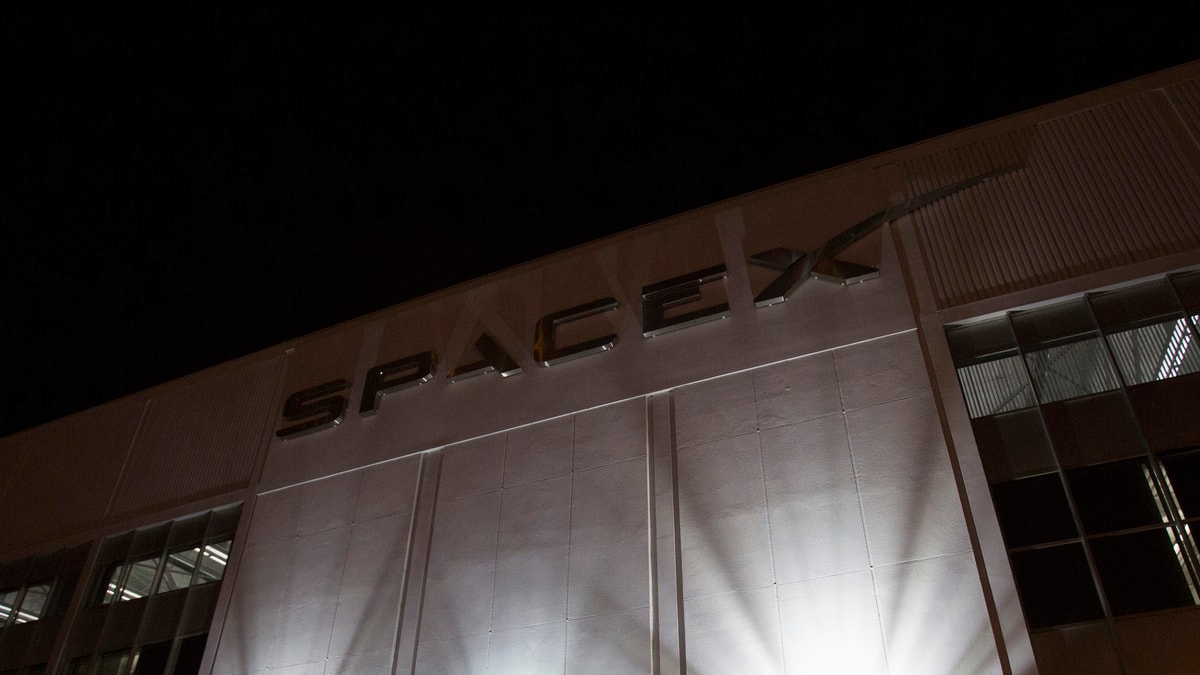 ndtv.com
The company is in talks with SpaceX for a rocket launch deal as it expands efforts to put data centers in orbit, people familiar with the matter said. Discussions come amid surging demand for computing power to support artificial intelligence systems.
The company has also held talks with other rocket-launch providers, one of the people said. A completed agreement would give SpaceX a new revenue stream from the technology sector. It would also support the company's push into orbital infrastructure before a possible public listing.
The company has explored placing data centers in space for several months. Orbital locations could offer advantages including natural cooling in vacuum conditions and uninterrupted solar power. SpaceX has developed reusable rocket technology that has lowered launch costs in recent years.
The company operates a fleet of vehicles capable of carrying heavy payloads to low Earth orbit. The company is simultaneously advancing its own research into orbital data centers. Executives have examined technical challenges including radiation shielding, data transmission latency and thermal management in zero gravity.
No final agreement has been reached and terms remain under negotiation. The company continues to evaluate multiple launch providers to ensure competitive pricing and availability.
Data centers in orbit would face unique engineering demands.
Exposure to cosmic radiation requires specialized hardening of servers and networking equipment. High-speed laser communication links between orbital platforms and ground stations would be necessary to transfer data at usable speeds. Any latency introduced by distance could limit suitability for certain AI training workloads.
Maintenance and upgrades would present logistical difficulties. Unlike terrestrial facilities, orbital data centers cannot be easily accessed for hardware refreshes or repairs.
Artificial intelligence development has driven explosive growth in data center construction on Earth. Major technology companies are racing to secure sufficient power and cooling capacity for next-generation systems. Placing computing infrastructure in space represents one possible avenue to overcome terrestrial constraints on energy and real estate.
Several concepts have circulated in the industry for years but none have reached deployment at commercial scale. A successful orbital data center project would mark a significant expansion of commercial activity beyond communications satellites and Earth observation.
“Google, SpaceX in Talks to Launch Data Centers in Orbit, Sources Say" — Bloomberg, May 2026. The company has not commented publicly on the status of the discussions. SpaceX also declined to address the reported talks.”
Transparency
Story details
Related Stories
 New York Post
xAI's Grok generated bikini images of British lawmaker after she criticized AI image tools; she sues
A U.K. legislator filed suit against xAI alleging the Grok chatbot created non-consensual fake images of her in a bikini. The claim seeks damages and aims to establish liability for AI system design.
 Fortune
Honeycomb Insurance Raises $40 Million, Bringing Total Funding to $95 Million
The AI-native insurer, which focuses on apartment buildings and condo associations, brought its total funding to $95 million. The round included Ibex Investors, Peakline, Alpha Partners, Meitar Partners, Practical VC, and former 49ers player Harris Barton.
 New York Post
xAI's Grok Generated Deepfake Images of British MP Jess Asato
Suffolk MP Jess Asato filed suit in England's High Court alleging Grok created non-consensual sexualized images of her. The claim seeks damages and an order halting further violations of data protection law.