technology
Google Wallet to Add Digital IDs from Select EU States This Summer
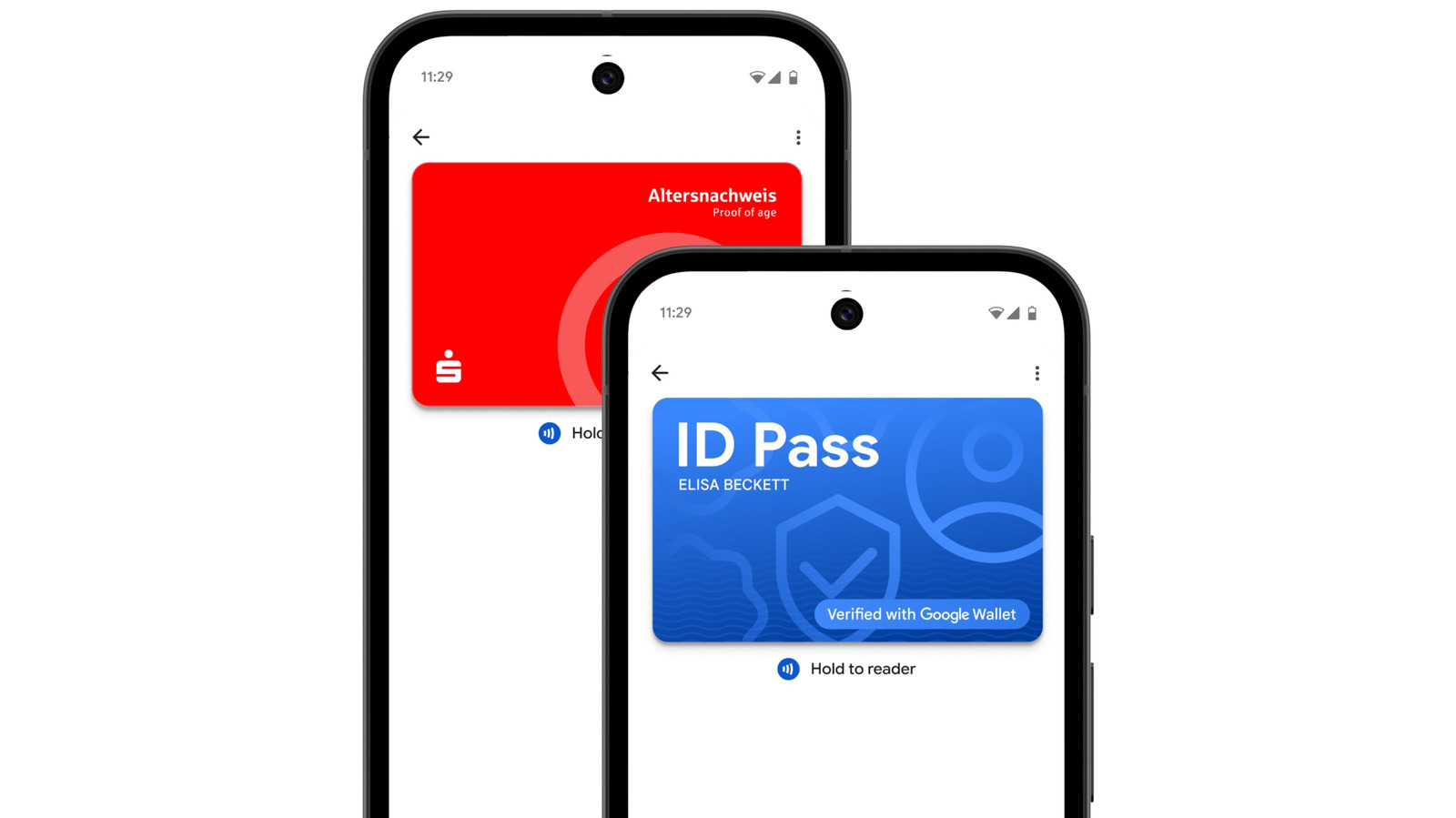
Google announced that Google Wallet will support digital IDs from select European Union states starting this summer. The update also includes a new age verification process developed with Sparkasse Bank.
Jun 4, 4:25 AM·1m read3 sources


 Engadget
Audio version
Tap play to generate a narrated version.
Google announced that Google Wallet will support digital IDs from select European Union states starting this summer. The update also includes a new age verification process developed with Sparkasse Bank. The company did not name the specific countries that will participate.
The process is expected to follow the same steps already used for passports in other regions, where users record a video selfie, scan a government ID, and allow the app to cross-reference the two.
Google introduced Zero Proof Knowledge technology into Google Wallet in April 2025. The feature allows users to confirm their age without sharing details such as name, address, or birth date. Sparkasse Bank customers will be the first to test the new verification method through Google Wallet.
Google also said it is making checkout with Google Pay simpler for users in the European Union. When merchants support Google Pay direct checkout, customers will be able to select and pay with a stored payment method in one step. The company updated its Secure Payment Authentication feature so that EU customers can complete purchases on European sites using only biometric verification, without entering a one-time passcode or visiting an additional verification site.