Graduates Boo AI Mentions at 2026 Commencement Ceremonies
Speakers at several university ceremonies this May encountered audience pushback when discussing artificial intelligence. Surveys show declining excitement about AI among young adults alongside longer-term shifts in reported happiness and mental health measures.
 orlandoweekly.com
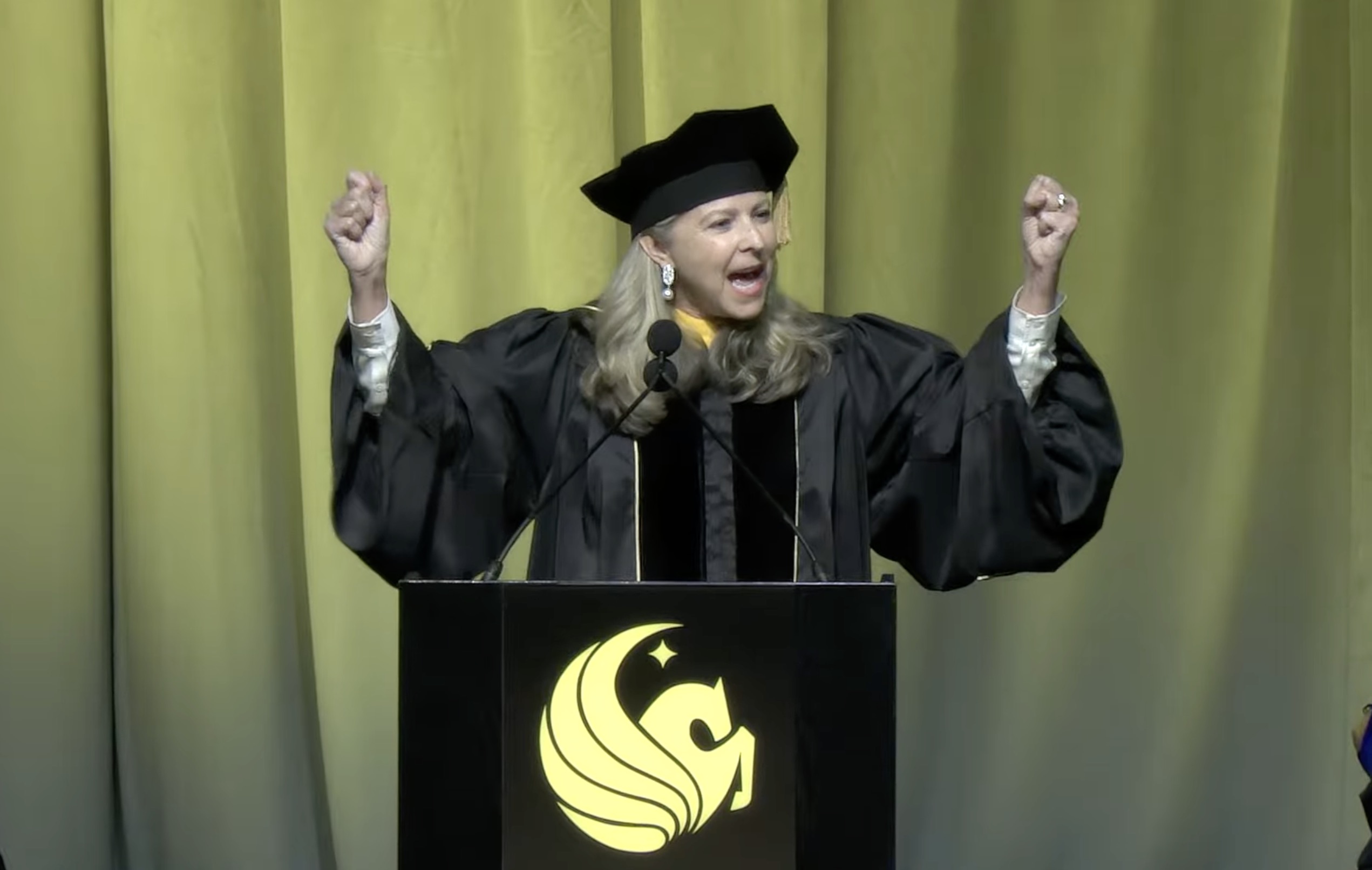
At commencement events this May, audiences at multiple universities responded negatively when speakers mentioned artificial intelligence. At the University of Central Florida, real estate executive Gloria Caulfield described the rise of artificial intelligence as the next industrial revolution, prompting boos from arts and humanities graduates.
At the University of Arizona, former Google CEO Eric Schmidt addressed similar audience reactions. He stated there is a fear in the current generation that the future has already been written, that machines are coming, that jobs are evaporating, that the climate is breaking, that politics is fractured, and that graduates are inheriting a mess they did not create.
A 2025 working paper from the National Bureau of Economic Research by Dartmouth economist David Blanchflower and University College London’s Alex Bryson tracked changes in reported despair among young workers since the period following the Great Recession.
The researchers documented a reversal of the typical midlife crisis pattern, with younger age groups showing higher levels of despair. Blanchflower and Bryson noted that real wages for young workers have risen over recent decades. They pointed instead to rising housing and healthcare costs, student debt, and changes in entry-level job quality as factors affecting this age group.
A Stanford study led by AI researcher Erik Brynjolfsson found that since late 2022, fewer young people have been hired into occupations heavily exposed to automation. The study linked this pattern to increased use of artificial intelligence tools.
Chicago economist Sam Peltzman examined 50 years of General Social Survey data and identified a sharp drop in the share of Americans saying they are very happy in 2020. The measure has not returned to pre-2020 levels as of 2024. Peltzman reported that the largest decline occurred among the most educated respondents.
A Gallup poll published in April found that excitement about AI among people ages 14 to 29 dropped 14 percentage points from earlier readings.
and Technology Use Psychologist Jonathan
Haidt spoke at New York University’s ceremony at Yankee Stadium. Some students walked out and others jeered when he took the stage. Student government cited his positions on diversity, equity and inclusion programs and other topics as reasons for the objections.
Haidt has argued that children born after 1995 experienced puberty during a period of widespread smartphone and social media use. He linked this timing to changes in teen mental health metrics, including increased nonfatal self-harm among early teen girls between 2010 and 2015.
Key Facts
Story Timeline
4 events- 2010-2015
Nonfatal self-harm among early teen girls more than quintupled.
1 sourceFortune - 2020
Share of Americans saying they are very happy dropped 22.2 percentage points.
1 sourceFortune - Late 2022
Fewer young people hired into automation-exposed occupations.
1 sourceFortune - May 2026
Audiences booed AI mentions at multiple university commencements.
1 sourceFortune
Potential Impact
- 01
Employers could face continued questions about entry-level hiring practices.
- 02
Universities may adjust speaker selections for future ceremonies.
Transparency Panel
Related Stories
 thesouthafrican.com
South African Researchers Develop Quantum and AI Tools for Cybersecurity
Scientists and startup companies in South Africa are applying quantum communication and AI-powered tools to address rising global cyber threats. The work focuses on strengthening data protection methods.
 France 24
EU Discusses Readiness for Artificial Intelligence Changes
A France 24 program examined whether European Union policies can address the effects of artificial intelligence. The discussion covered potential impacts across daily life and economic sectors.
 reason.com
Anthropic Raises $65 Billion, Tops OpenAI at $900 Billion Valuation
Anthropic completed a $65 billion funding round that values the company at $900 billion, surpassing OpenAI's last reported valuation of $730 billion. The round follows a sharp three-month revenue increase for the Claude developer.