Substrate
world

Group urges volunteers to remove Himalayan balsam along rivers

A conservation organization is asking residents to form teams to pull out Himalayan balsam, an invasive plant that spreads along waterways. The group will provide training and help locate priority areas for removal.

The Bbc
1 source·May 24, 6:21 AM(5 days ago)·1m read
Group urges volunteers to remove Himalayan balsam along riversThe Bbc
Audio version
Tap play to generate a narrated version.
Developing·Limited corroboration so far. This page will refresh as more sources emerge.

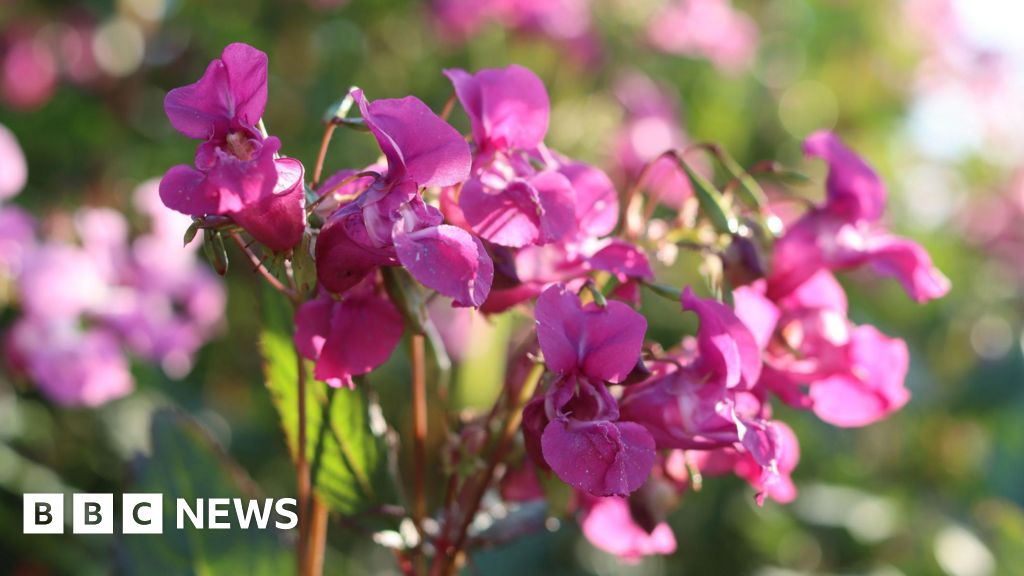
A conservation group is urging people to form teams to remove Himalayan balsam, an invasive non-native plant found along waterways. The plant has pink bonnet-shaped flowers and thin stems. It outcompetes native plants, reduces biodiversity, and leaves riverbanks bare in winter, increasing the risk of soil erosion that can harm water quality and wildlife habitats.

Removal methods and timing The group recommends volunteers start pulling plants in June and continue through the summer. The easiest removal method is to pull the plant out of the ground and stamp on it, then leave the dead stems and flowers in a pile on site.

Each plant produces between 800 and 2,000 seeds that can travel up to six metres and spread rapidly, including into streams and across floodplains.

Volunteer support offered The organization will offer training sessions for volunteers and help identify Himalayan balsam hotspots. It is focusing removal efforts on the Derwent, Ellen and South Lakes catchments, working from the top of each catchment downward. The plant was introduced to the country by the Victorians as a garden plant and later spread into the countryside.

Key Facts

Himalayan balsam
invasive plant with pink flowers spreading along waterways
800-2,000 seeds per plant
each plant can eject seeds up to six metres away
Derwent, Ellen, South Lakes
catchments targeted for strategic removal from top down

Story Timeline

2 events
  1. Current season

    Group begins offering training and mapping balsam hotspots for volunteer teams.

    1 sourceThe Bbc
  2. June onward

    Volunteers are asked to begin pulling plants and continue through summer months.

    1 sourceThe Bbc

Potential Impact

  1. 01

    Riverbanks may experience less erosion if volunteer removal reduces plant coverage.

  2. 02

    Local water quality could improve where balsam density decreases.

Transparency Panel

Sources cross-referenced1
Confidence score65%
Synthesized bySubstrate AI
Word count184 words
PublishedMay 24, 2026, 6:21 AM

Related Stories

Journalists in Gaza to Receive 2026 Golden Pen of Freedom Awardstraitstimes.com
world1 hr ago

Journalists in Gaza to Receive 2026 Golden Pen of Freedom Award

Three international news agencies will accept the award on behalf of their local staff still reporting from the territory. The World Association of News Publishers cited the journalists' continued coverage under extreme conditions.

Al-Monitor
AF
2 sources
Supreme Court Revives Havana Docks Lawsuit Over Confiscated Cuban Propertyupi.com
world1 hr ago

Supreme Court Revives Havana Docks Lawsuit Over Confiscated Cuban Property

The U.S. Supreme Court sent a Helms-Burton Act case back to lower courts for further argument. The suit seeks damages from cruise lines that used docks seized by Cuba in 1959.

FO
1 source
Pakistan Population Growth Outpaces Infrastructure as Male Contraception Stays TabooFrance 24
world1 hr agoDeveloping

Pakistan Population Growth Outpaces Infrastructure as Male Contraception Stays Taboo

Pakistan's population exceeds 258 million and could reach 300 million by 2030. Contraception remains largely taboo in a society shaped by traditional values. The country continues to lag behind neighbors India and Bangladesh in key social sectors.

FR
France 24
2 sources