Gulf Arab States Review Security Ties After Iran Strikes on Regional Targets
Iran targeted airports, ports, and energy facilities in several Gulf Arab countries after the United States and Israel began military operations against Iran on February 28, 2026. The attacks followed years of Gulf efforts to maintain neutrality between Iran and other actors. Iran also restricted shipping through the Strait of Hormuz, halting or slowing exports from multiple states.
 citizen.co.za
Iran struck airports, seaports, oil installations, and desalination plants in Gulf Arab states shortly after the United States and Israel began military operations against Iran on February 28, 2026. U.S. forces intercepted some of the incoming attacks, yet damage still occurred to infrastructure across the region.
Iran also closed the Strait of Hormuz, fully blocking exports from Bahrain, Kuwait, and Qatar while impeding shipments from Oman, Saudi Arabia, and the United Arab Emirates.
Gulf governments had maintained a policy of appearing neutral in Iran-related confrontations for roughly a decade before the 2026 conflict. They built defense relationships with the United States and kept communication lines open with Iranian officials to avoid escalation.
Saudi Arabia signed a détente agreement with Iran in 2023 after nearly ten years of tensions. Some Gulf states had also normalized or considered normalizing relations with Israel. The United Arab Emirates completed a normalization agreement that provided access to advanced military technology and commercial opportunities.
Talks between the United States and Saudi Arabia had explored a defense pact tied to Saudi recognition of Israel.
Gulf governments publicly and privately advised the United States against direct attacks on Iran in the months before February 2026. They stated that their territories would not serve as staging areas for such operations. Israel had conducted a military campaign in Gaza after the October 2023 attacks, moved to annex parts of the West Bank, carried out strikes in Lebanon and Syria, and launched lethal strikes inside Qatar in September 2025.
Iran viewed the presence of U.S. bases and joint training in Gulf countries as enabling factors, regardless of stated Gulf intentions. Within hours of the initial U.S.-Israeli operations, Iran attacked every Gulf state. Gulf officials had worked for years to improve ties with Iran specifically to prevent such escalation.
Gulf states have begun to reconsider their prior combination of neutrality, U.S. defense ties, and direct communication with Iran. Officials are exploring additional arms suppliers and security partnerships while increasing coordination among themselves on military and diplomatic matters.
The damage to energy and transport facilities has affected the region's standing as a stable location for international business.
Key Facts
Story Timeline
5 events- February 28, 2026
U.S. and Israel began military operations against Iran.
1 source@ForeignAffairs - February 28, 2026
Iran struck airports, ports, oil sites, and desalination plants in Gulf states.
1 source@ForeignAffairs - February 28, 2026
Iran closed the Strait of Hormuz, blocking exports from Bahrain, Kuwait, and Qatar.
1 source@ForeignAffairs - September 2025
Israel conducted lethal strikes inside Doha, Qatar.
1 source@ForeignAffairs - 2023
Saudi Arabia signed a détente agreement with Iran.
1 source@ForeignAffairs
Potential Impact
- 01
Oil and gas export volumes from affected states remain reduced.
- 02
Gulf states may expand arms purchases from additional suppliers.
- 03
Diplomatic and military coordination among Gulf governments could rise.
- 04
Foreign investment in regional energy and transport projects may slow.
Transparency Panel
Related Stories
 Semafor
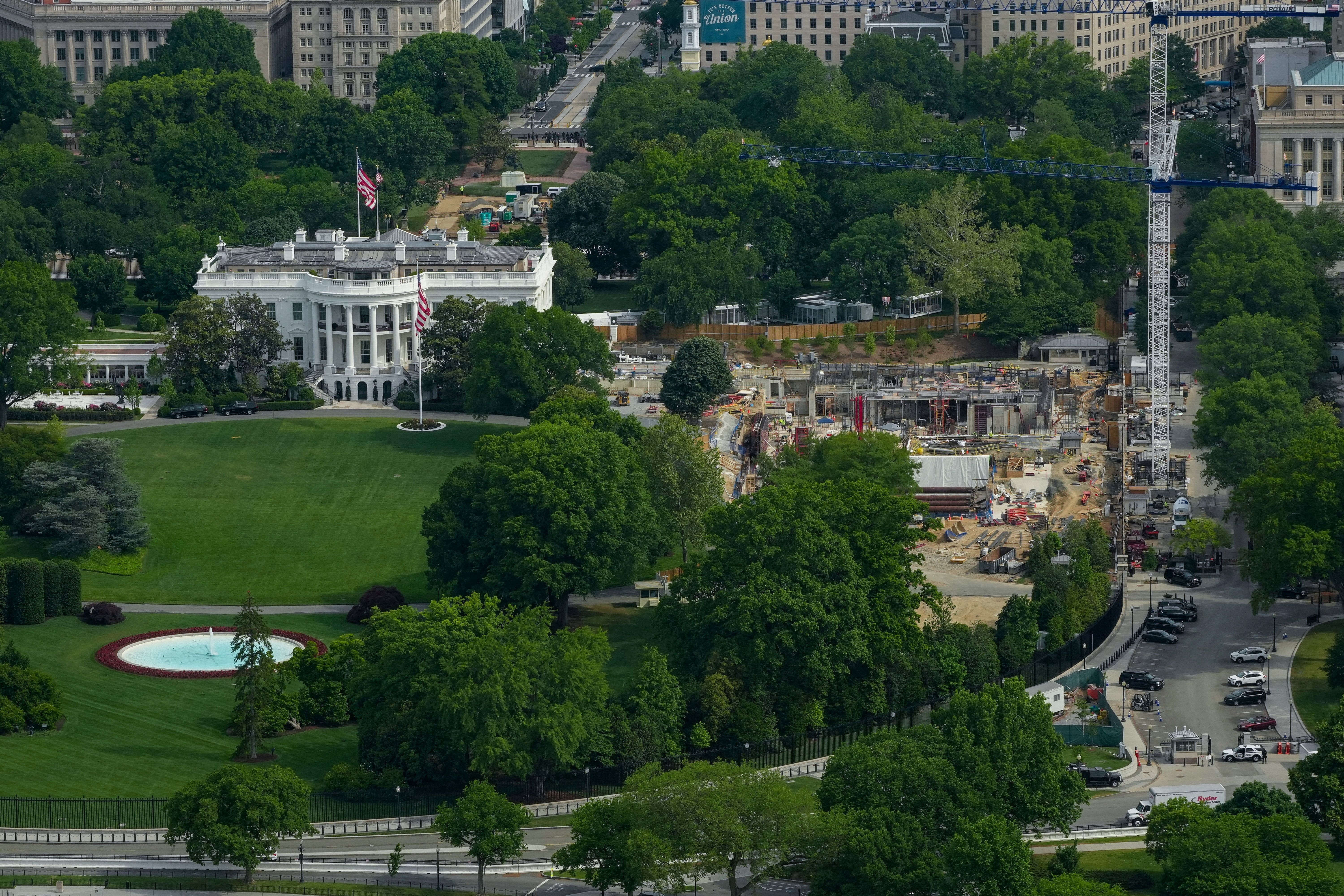
House Republicans Pass Immigration Enforcement Bill With East Wing Security Funding
Republicans introduced a party-line immigration enforcement bill on May 6, 2026, that allocates $1 billion for security upgrades at President Donald Trump’s East Wing project. The project has an estimated cost of $400 million and includes a ballroom that Trump has said would be f…
White House Shares Iran Sanctions Graphic from Foundation for Defense of Democracies as Trump Appoints Former FDD Official to Negotiations Team
The White House rapid response account posted a Foundation for Defense of Democracies graphic last week that incorrectly attributed accelerated Iranian uranium enrichment to sanctions relief under former President Joe Biden. Rep. Russell Fry described Iran as a "petulant child" t…
 Quintin Soloviev / Wikimedia (CC BY 4.0)
Spirit Airlines Ceases Operations After Filing for Bankruptcy
The budget carrier announced an immediate orderly wind-down on Saturday after negotiations for a $500 million rescue deal failed. Jet fuel costs had doubled since the US-Israel war in Iran began at the end of February, delivering a final blow to the airline as it emerged from its…