Gulf Countries Intercept Iranian Missiles and Drones Hours After U.S.-Iran Ceasefire Announcement
Middle Eastern nations, including Kuwait, intercepted ballistic missiles and drones launched from Iran within hours of a U.S.-Iran ceasefire agreement. The interceptions occurred on Wednesday amid ongoing regional tensions. Details on the ceasefire terms remain limited in available reports.
 Substrate placeholder — needs review
Gulf countries reported intercepting multiple ballistic missiles and drones originating from Iran on Wednesday, shortly after the United States and Iran announced a ceasefire agreement. Kuwaiti defense authorities specified intercepting four ballistic missiles and 42 drones over the past 24 hours. Other Middle Eastern countries also detected and countered incoming threats during this period.
The ceasefire announcement preceded the reported launches by mere hours, highlighting immediate challenges to the agreement. No injuries or damage from the interceptions were mentioned in the reports. U.S.
and Iran have not issued further statements on the violations.
defense ministry provided the most specific figures, stating the interceptions covered the 24-hour period ending Wednesday.
Broader reports indicated similar activities across the Gulf region, with countries scrambling to respond. The missiles and drones were identified as ballistic types launched from Iranian territory.
“— Kuwaiti Defense Ministry, Wednesday (via @FirstSquawk) The timing of the launches, occurring within hours of the ceasefire, suggests possible coordination issues or deliberate testing of defenses. Sources did not specify the targets of the projectiles.”
The U.S.-Iran ceasefire aims to de-escalate longstanding tensions in the Middle East, though implementation details were not disclosed. Previous exchanges between the parties have involved proxy conflicts and direct strikes. This incident marks an early test of the agreement's durability.
Reports from multiple outlets confirm the interceptions but vary in scope, with some focusing solely on Kuwait while others reference wider Gulf involvement. No contradictions emerged regarding the origin of the threats or the success of interceptions.
The event underscores ongoing military preparedness in the region.
Key Facts
Story Timeline
3 events- Wednesday — within hours of ceasefire
Gulf countries intercepted Iranian ballistic missiles and drones shortly after U.S.-Iran ceasefire announcement.
2 sourcesCNBC · @FirstSquawk - Wednesday
U.S. and Iran announced ceasefire agreement.
1 sourceCNBC - Past 24 hours ending Wednesday
Kuwaiti defense intercepted 4 missiles and 42 drones from Iran.
1 source@FirstSquawk
Potential Impact
- 01
Regional tensions escalate despite ceasefire announcement.
- 02
Gulf nations increase defensive alerts following interceptions.
- 03
U.S. and Iran hold consultations on agreement violations.
- 04
International observers monitor compliance in Middle East.
Transparency Panel
Related Stories
 asiaone.com
Iran Says Strait of Hormuz Management Belongs to Iran and Oman
Iran's Foreign Ministry spokesperson stated that control of the Strait of Hormuz must be decided solely by Iran and Oman. The spokesperson also said no agreement has been reached with the United States and that current focus remains on ending the war.
 ibtimes.com
SEC Chair Paul Atkins Says Congress Will Pass Crypto Legislation
SEC Chair Paul Atkins stated he is confident Congress will pass crypto market structure legislation. He added that President Trump will sign the bill into law.
 thehindu.com
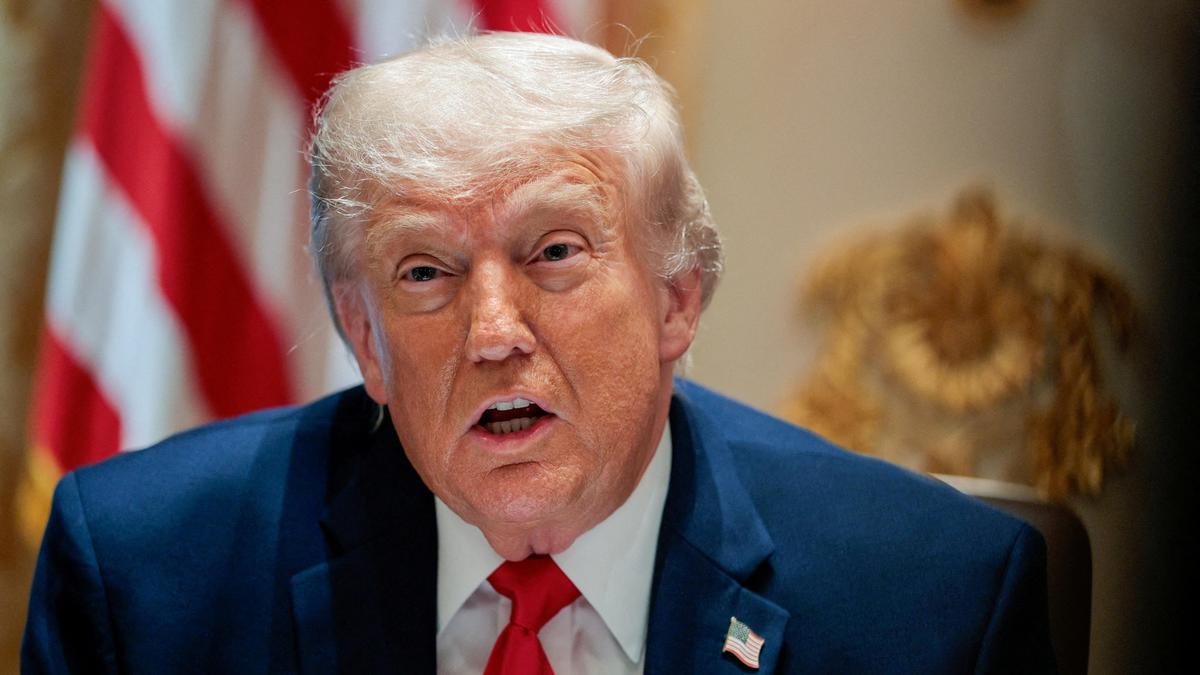
U.S. Treasury Officials Comment on Iran Sanctions Relief Pace
Officials addressed questions about the pace of any sanctions relief tied to Iran. They indicated changes would occur gradually if implemented.