business
Gulf Sovereign Wealth Funds Spent $26 Billion on Deals in Three Months
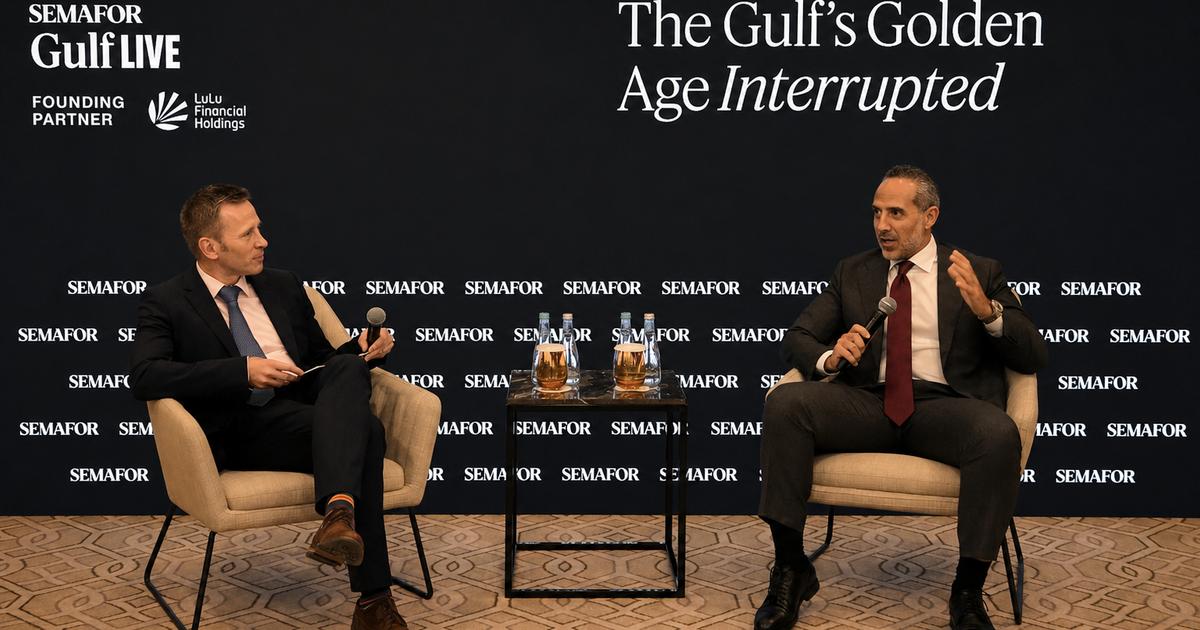
The five largest Gulf sovereign wealth funds spent nearly $26 billion on deals from March through May, exceeding prior five-year averages. TCW executive Wael Younan made the remarks at a Semafor event in Abu Dhabi.
 Semafor
Audio version
Tap play to generate a narrated version.
Developing·Limited corroboration so far. This page will refresh as more sources emerge.
Gulf sovereign wealth funds spent almost $26 billion on deals in March, April and May, a higher rate than in any of the previous five years, according to Wael Younan, co-head of sovereign wealth management at TCW. The five largest investors in the region increased activity even as oil revenues faced pressure from the closure of the Strait of Hormuz.
Younan spoke at the first Semafor Gulf Live event in Abu Dhabi on Thursday.
He said the funds, which together control around $5 trillion, are positioned to pursue additional transactions amid market volatility tied to the Iran conflict. “When everyone else steps back sovereigns will step in,” he said. The UAE was the top target of Iranian missile and drone strikes during the conflict, Younan noted.
He added that the war is unlikely to deter Wall Street firms from expanding operations in the Gulf. Sovereign funds have shifted from passive allocators to “an integral part of the global economy,” he said. TCW opened its first Middle East office almost two years ago after hiring Younan from Goldman Sachs to develop its regional presence.
Younan said more firms are expected to open offices or deepen existing operations to work directly with the sovereign investors.

