Gulf States Reassess U.S. Ties Amid Iran Conflict, Analysts Say
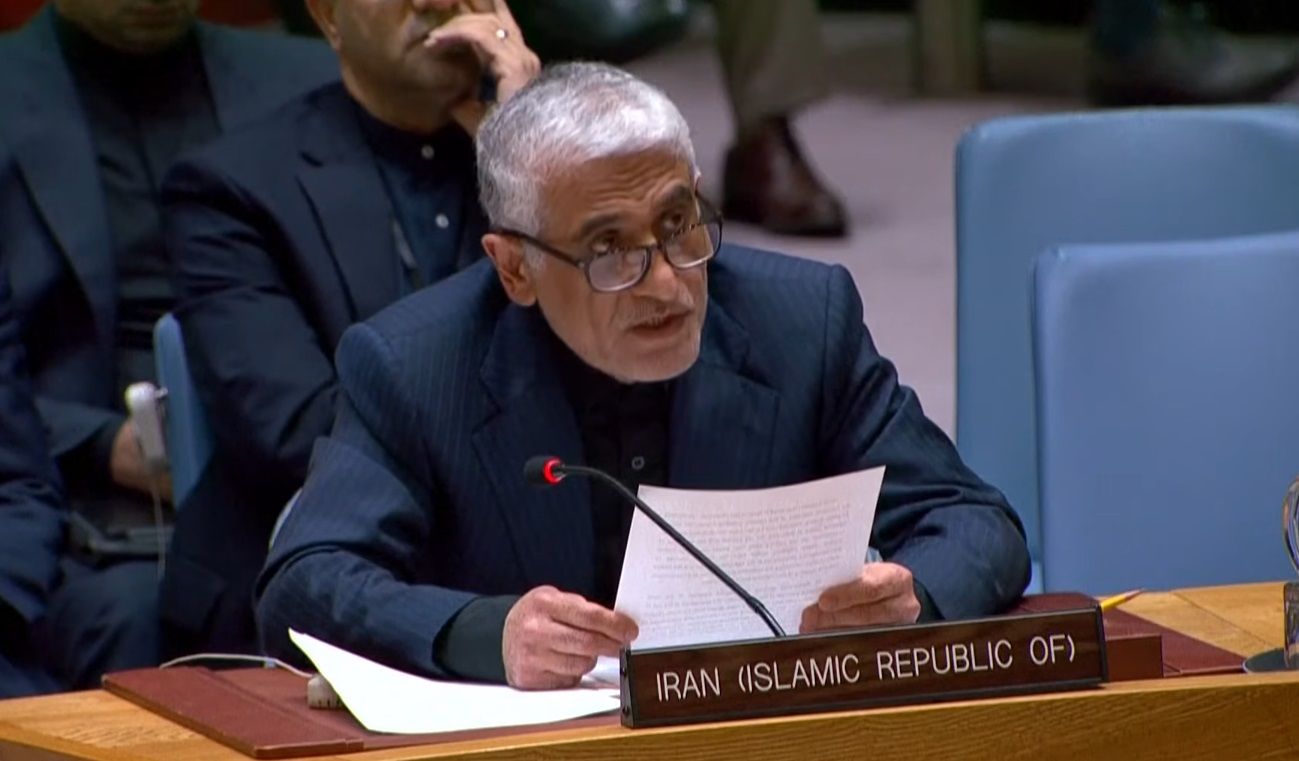
Gulf Arab states are facing Iranian attacks on their infrastructure following the U.S. and Israeli strikes on Iran that began February 28. Leaders in the region are reevaluating their security dependence on the United States, according to a report by two Chatham House experts. The conflict has prompted energy companies in Bahrain, Kuwait, and Qatar to declare force majeure on contracts.
 azernews.az
Gulf Arab states have experienced significant impacts from Iranian missile and drone strikes since the United States and Israel initiated military action against Iran on February 28, 2026. These attacks have targeted hotels, airports, and oil and gas infrastructure in the region.
Energy companies in Bahrain, Kuwait, and Qatar have declared force majeure, stating they cannot fulfill contractual obligations due to the disruptions. The authors note that Gulf monarchs initially supported Trump's reelection for his transactional approach and disregard for human rights concerns in economic deals.
For instance, in May 2025, Saudi Arabia influenced Trump to lift sanctions on Syria and support its new president.
Despite visits from the Saudi crown prince and Emirati officials, Trump proceeded with the attacks, prioritizing requests from Israeli Prime Minister Benjamin Netanyahu. The report states that this has highlighted Trump's unpredictability and the divergence between U.S. and Gulf interests.
Gulf states remain dependent on the United States for security, including missile defense systems like Patriot and THAAD, as well as hosting U.S. military bases. Countries such as Bahrain, Kuwait, Qatar, and Saudi Arabia are designated as major non-NATO allies, granting access to U.S. equipment and munitions.
However, the authors indicate that Gulf populations are questioning the reliability of U.S. commitments and the benefits of hosting American bases.
The report highlights concerns over Israel's actions, including a September 2025 strike on a residential compound in Qatar hosting Hamas negotiators. Following that incident, Trump issued an executive order committing to Qatar's defense. Despite U.S. assistance in intercepting some Iranian attacks, the focus has been on defending Israel, leaving Gulf states vulnerable.
To address these challenges, the authors suggest Gulf countries should enhance autonomy by strengthening regional cooperation and diplomacy. This includes creating new channels between competitors, forming partnerships beyond the United States, and integrating defense structures among themselves.
The current crisis has disrupted trade through the Strait of Hormuz and damaged the region's reputation as a safe commercial hub. The report emphasizes that while Gulf states will continue short-term cooperation with the United States on missile defense and intelligence, they need to build a new regional equilibrium to limit escalation and protect economic growth.
Key Facts
Story Timeline
4 events- April 6, 2026
Foreign Affairs published a report by Neil Quilliam and Sanam Vakil on Gulf states' reassessment of U.S. ties amid the Iran conflict.
1 source@ForeignAffairs - February 28, 2026
United States and Israel launched military strikes on Iran, prompting Iranian attacks on Gulf states.
1 source@ForeignAffairs - September 2025
Israeli forces struck a residential compound in Qatar hosting Hamas negotiators.
1 source@ForeignAffairs - May 2025
Saudi Arabia persuaded President Trump to lift sanctions on Syria and back its new president.
1 source@ForeignAffairs
Potential Impact
- 01
Energy export disruptions could affect global oil and gas supplies from the region.
- 02
Gulf states may deepen short-term security cooperation with the United States for missile defense.
- 03
Gulf countries might form new diplomatic channels to reduce reliance on U.S. security.
- 04
Economic growth in Gulf states may slow due to damaged commercial reputation.
- 05
Populations in Gulf states could push for reduced hosting of U.S. military bases.
Transparency Panel
Related Stories
 thehindu.com
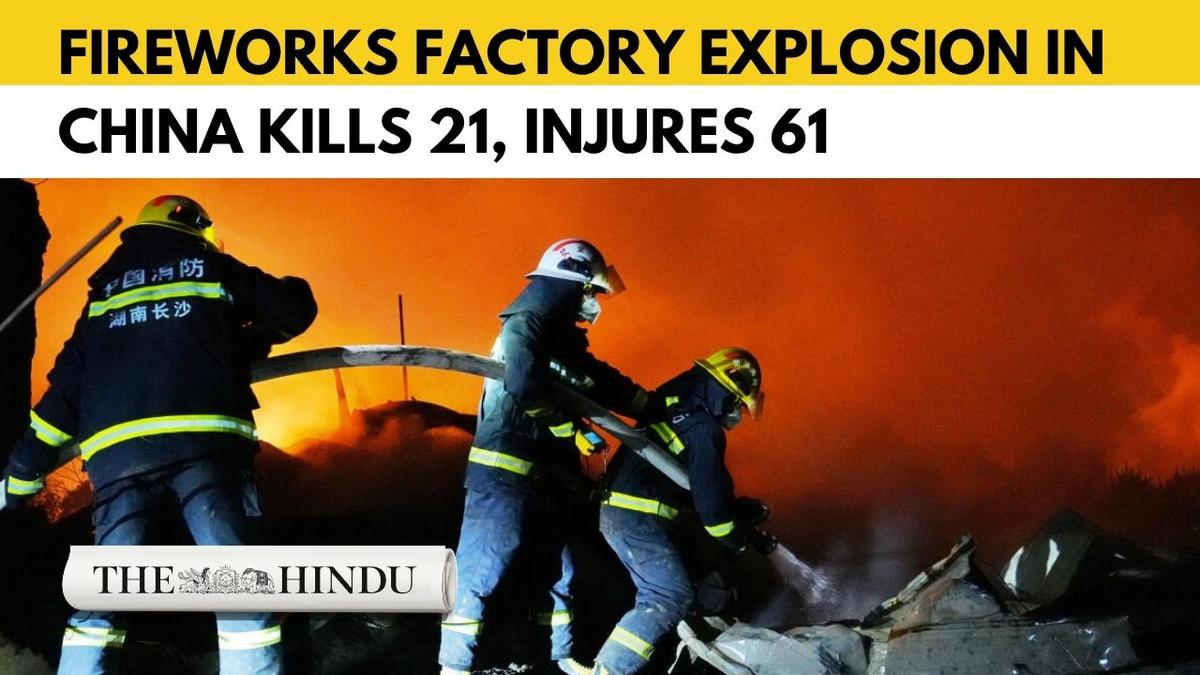
Explosion at China Fireworks Factory Kills 26 and Injures 61 in Hunan Province
An explosion at the Huasheng Fireworks Manufacturing and Display Company in Liuyang city, Hunan province, killed at least 26 people and injured 61 on Monday afternoon. Rescue operations have concluded, with authorities detaining company staff and halting all local fireworks produ…
 indiatoday.intoday.in
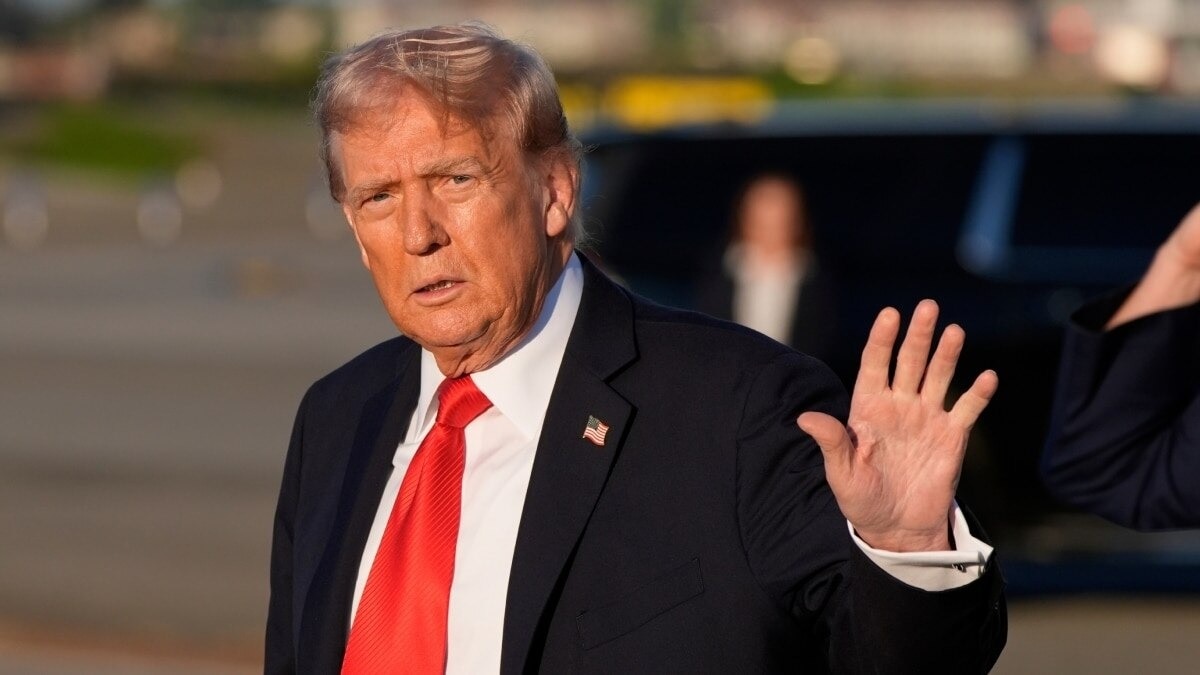
Trump Pauses Project Freedom in Strait of Hormuz Amid Progress on Iran Agreement
President Trump announced a temporary pause to Project Freedom, the U.S. effort to escort ships through the Strait of Hormuz, citing mutual agreement with Iran to facilitate finalizing a deal while the blockade remains in place. The decision follows requests from Pakistan and oth…
 citizen.co.za
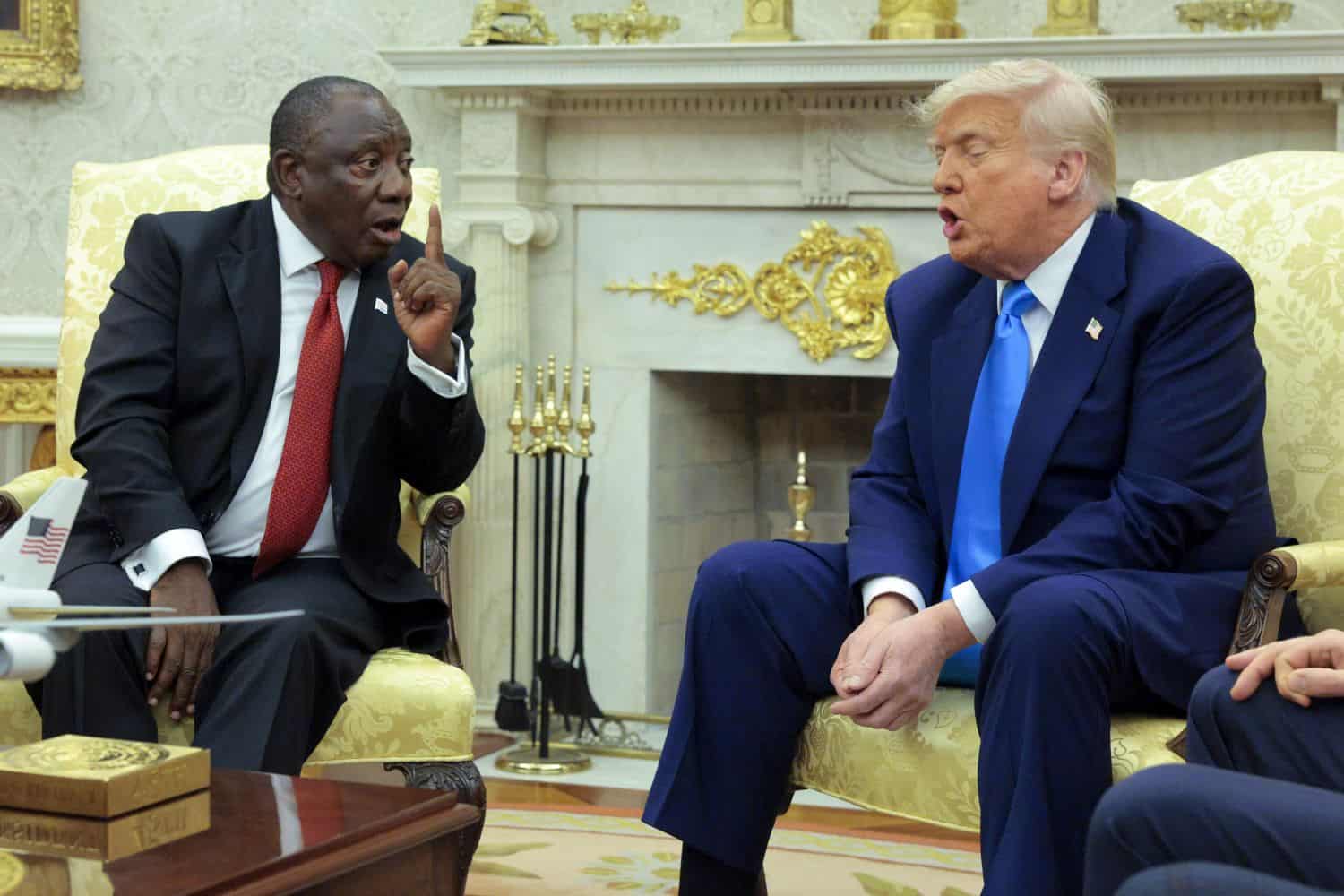
Middle East War Disrupts Global Supply Chains and Aviation Amid Diplomatic Efforts
The ongoing Middle East war has led to falling oil prices, plastic shortages in Asia, and minor flight cancellations in Hong Kong. Diplomatic talks continue, with China urging a ceasefire and the U.S. pausing ship escorts in the Strait of Hormuz. Various nations are addressing ec…