The Hantavirus: Everything We Know So Far
Timeline-driven explainer on the MV Hondius outbreak, what hantavirus is, how it spreads, treatment options, and current public-health response. Updated daily.
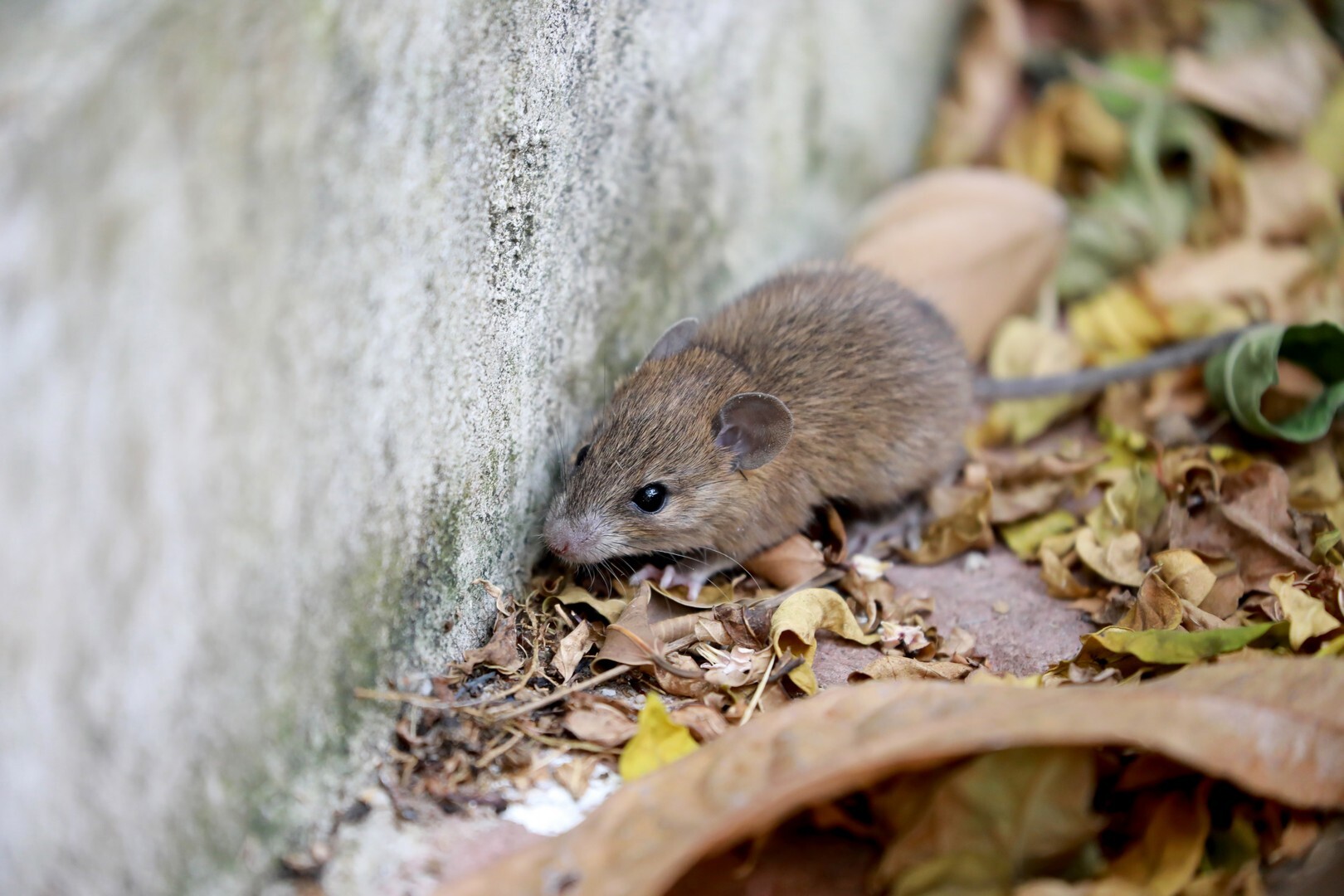 gamereactor.eu
For the first time in decades, hantavirus is leading global news. As of May 7, 2026, eight cases — three of them fatal — have been confirmed or suspected aboard the Dutch expedition cruise ship MV Hondius. Returning passengers in five U.S. states are under monitoring, a Dutch passenger died after collapsing at Johannesburg's O.R. Tambo airport, and a KLM flight attendant who had brief contact with her has been hospitalized in Amsterdam.
What follows is a timeline-driven explainer pulling from World Health Organization briefings, our own prior reporting on hantavirus treatments, and dozens of mainstream news outlets. We update this page daily.
8 confirmed or suspected Andes hantavirus cases linked to MV Hondius (3 deaths, 7 survivors under treatment). Ship now docking at Granadilla, Tenerife. Three patients evacuated for treatment. 23–29 passengers disembarked at Saint Helena before the outbreak was identified — returnees in U.S., Australia, Taiwan, U.K., Netherlands now monitored.
WHO public-risk assessment: low. No travel restrictions issued. No FDA-approved cure. Supportive ICU care is the only intervention with consistent evidence of survival benefit.
1950s — Hantaviruses first identified during the Korean War, when more than 3,000 U.N. soldiers fell ill with what was later named Hantaan virus, after the Hantan River.
1993 — Four Corners outbreak in the U.S. Southwest. A previously unknown disease, later named Hantavirus Pulmonary Syndrome (HPS), kills more than half of those infected. The pathogen, Sin Nombre virus, is traced to deer mice.
1995–1996 — Andes virus is identified in Patagonia, Argentina. The 1996 cluster documents person-to-person transmission — the only hantavirus known to spread that way.
April 1, 2026 — MV Hondius, operated by Oceanwide Expeditions, departs Ushuaia, Argentina with 88 passengers and 59 crew on a 30-plus-day expedition voyage to Antarctica, Tristan da Cunha, Saint Helena, and Cape Verde.
April 23 — At a stop on Saint Helena, between 23 and 29 passengers disembark and travel home — to the U.S., Australia, Taiwan, U.K., the Netherlands, and elsewhere — before the outbreak is identified. No formal contact tracing is conducted.
April 25 — A 69-year-old Dutch woman who had disembarked attempts to board KLM flight KL592 at Johannesburg's O.R. Tambo airport. She is denied boarding due to her condition and later dies of hantavirus. A KLM flight attendant who had brief contact with her is later hospitalized in isolation at Amsterdam UMC.
April 27 — A British 56-year-old former police officer serving as expedition guide on MV Hondius is medically evacuated to a private health facility in Sandton, Johannesburg.
Early May — Two more passengers — a Dutch husband-and-wife couple, and a German national — die after exhibiting hantavirus symptoms. The ship anchors off Cape Verde, which refuses docking on public-health grounds.
May 3 — First wave of mainstream media reports. Three deaths confirmed. WHO begins coordinating with Dutch authorities.
May 4 — WHO confirms one laboratory case (Andes hantavirus) and five suspected cases. The WHO Europe regional director states the public risk is "low" and there is "no need for panic or travel restrictions."
May 5 — WHO updates the cluster to 7 cases (2 confirmed + 5 suspected). Dr. William Schaffner tells CNN the outbreak is a "contained phenomenon."
May 6 — Spain authorizes MV Hondius to dock at Granadilla on Tenerife within three days, despite opposition from the Canary Islands regional government. Three patients are evacuated for treatment. The ship arrives in the Canary Islands.
May 7 — Eight cases now confirmed or suspected. The two evacuated Britons are reported to be improving in hospital. KLM flight attendant remains under observation. U.S. officials in Arizona, California, Georgia, Texas, and Virginia are monitoring symptoms in seven returning passengers.
What is hantavirus?
Hantaviruses are a family of zoonotic viruses carried by rodents — primarily deer mice, voles, and South American rats. Different strains cause different syndromes:
Hemorrhagic Fever with Renal Syndrome (HFRS) — Old World strains. Symptoms: fever, headache, low blood pressure, acute kidney injury. Case fatality rate: 1–15%. Hantavirus Pulmonary Syndrome (HPS), aka Hantavirus Cardiopulmonary Syndrome (HCPS) — New World strains. Symptoms: rapid-onset fever, muscle pain, pulmonary edema, cardiogenic shock. Case fatality rate: ~38%.
The MV Hondius outbreak involves Andes hantavirus, a New World strain that causes HPS — and is the only hantavirus documented to transmit person-to-person.
Most hantavirus infections occur from inhaling aerosolized rodent excreta — urine or droppings disturbed and breathed in. The classic exposure: cleaning out a barn or cabin where mice have been living. Outbreaks are typically rural, occupational, or seasonal.
Andes hantavirus is the exception. Person-to-person transmission was first documented in the 1996 Argentine outbreak and has been confirmed in subsequent clusters, including Patagonia in 2018. Transmission appears to require close, prolonged contact — household, hospital, or shared cabin — not casual proximity.
Initial (1–8 weeks after exposure): fever (often above 101°F / 38°C), severe muscle pain, headache, fatigue, nausea, abdominal pain.
Severe (HPS) progression: cough, shortness of breath, chest tightness, racing pulse, low blood pressure. Without intensive care, the lungs flood with fluid in 24–48 hours.
Survival depends almost entirely on access to ICU-level supportive care.
There is no FDA-approved cure. Substrate's prior reporting catalogued every treatment currently on the table — ribavirin, Andes-virus-specific monoclonal antibodies in development, mRNA vaccine candidates, ivermectin claims, and traditional/natural treatments — and found that the only intervention with consistent evidence of life-saving benefit is supportive ICU care: mechanical ventilation, ECMO when available, careful fluid management, and pressors.
Ribavirin shows modest benefit for HFRS strains when started in the first six days of illness. For HPS — the strain MV Hondius passengers have — clinical trials have not demonstrated benefit. Monoclonal antibody candidates and an mRNA vaccine remain in early-stage research; none are FDA-approved or commercially available.
Claims circulating on social media that Moderna is developing an mRNA hantavirus vaccine are not supported by company statements or SEC filings.
WHO is coordinating with Dutch, Spanish, U.K., and Cape Verdean authorities. Spain's health ministry has cleared the ship for docking at Granadilla on Tenerife within three days. The U.S. CDC is monitoring returning passengers in Arizona, California, Georgia, Texas, and Virginia.
Contact-tracing has been criticized: at least 23–29 passengers left the ship at Saint Helena before authorities had formally identified the outbreak.
WHO's regional director for Europe stated on May 4: "The risk to the wider public remains low. There is no need for panic or travel restrictions." That assessment has held through May 7.
Andes hantavirus does spread person-to-person, but only through close prolonged contact — it does not transmit the way SARS-CoV-2 or measles do. The U.S. records 30–60 hantavirus cases annually under normal conditions; the MV Hondius cluster has not changed that baseline outside the directly exposed group.
This report is composed from World Health Organization briefings (May 3–7), Substrate's own reporting on hantavirus treatments, and clusters of reporting from: Reuters, Associated Press, The Guardian, Financial Times, BBC, Sky News, NPR, NBC News, ABC News, CBS News, CNN, New Scientist, Science News, MarketWatch, Forbes, Newsweek, The Washington Post, The New York Times, Japan Times, New York Post, MedPage Today, Fox News, GB News, Deccan Chronicle, Gizmodo, SBS, OneIndia.
We update this page once per day.
Coverage spread
Substrate’s article above is written from the primary record. Below: how mainstream outlets reported the same event.
No mainstream coverage of this story has surfaced yet.
Transparency Panel
Related Stories
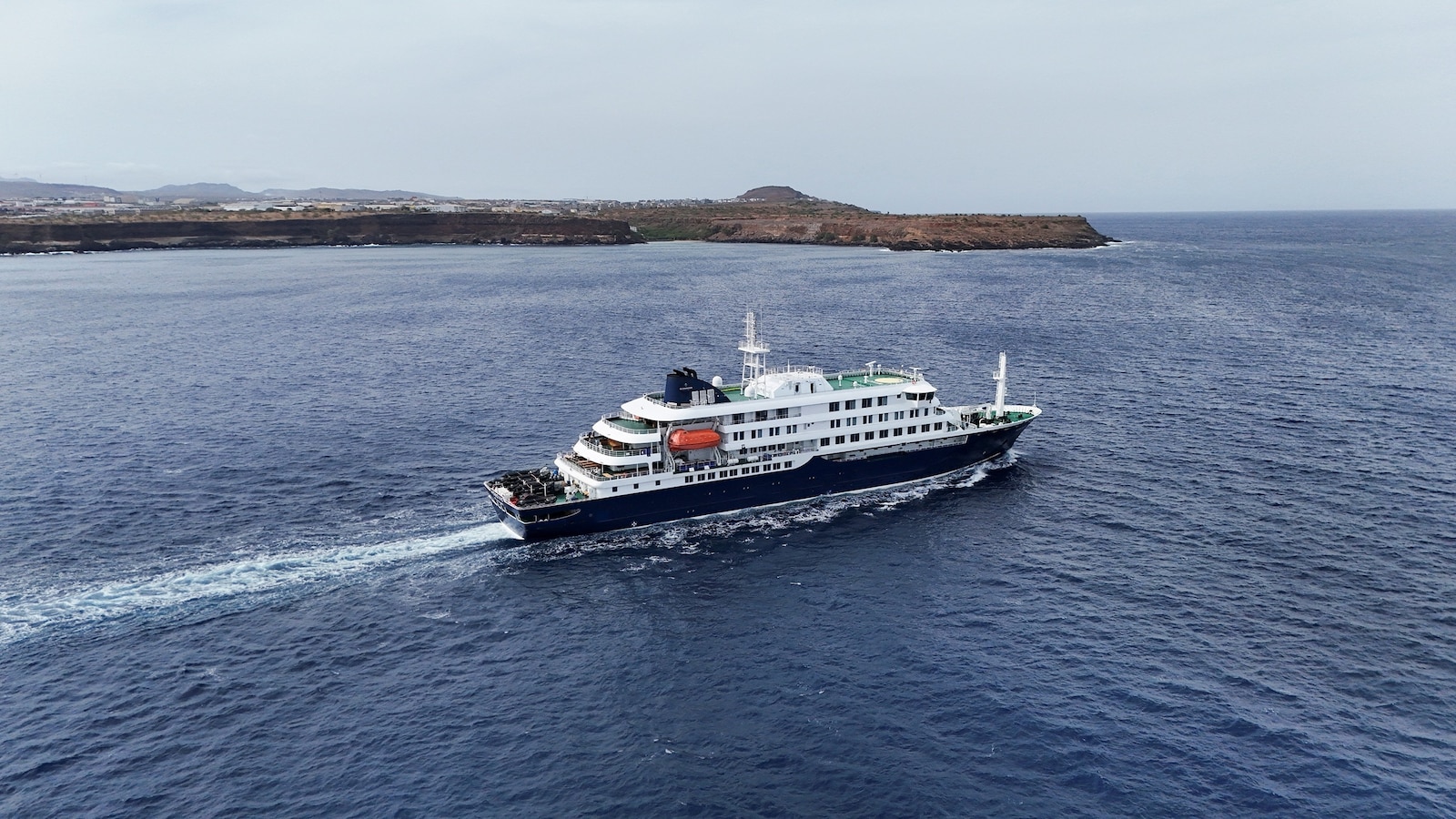 ABC News
KLM Flight Attendant Hospitalized With Suspected Hantavirus After Contact With Infected Cruise Passenger
A KLM flight attendant from the Netherlands is in isolation at Amsterdam UMC with mild symptoms after brief contact with a dying Dutch woman linked to a hantavirus outbreak on the MV Hondius expedition cruise ship. Three people have died and eight cases, five confirmed as the And…
 New Scientist
Eight Cases of Andes Hantavirus Confirmed or Suspected Among MV Hondius Passengers and Crew
The MV Hondius, operated by Oceanwide Expeditions, is en route to Spain's Canary Islands with around 150 people aboard following an Andes strain hantavirus outbreak that began after the vessel departed from Argentina. The World Health Organization has confirmed five cases and thr…
 thehindu.com
Egyptian Man Pleads Guilty to Murder in Colorado Firebomb Attack on Pro-Israel Demonstrators
Mohamed Sabry Soliman, 46, entered a guilty plea Thursday to state charges including first-degree murder for a June 2025 firebombing in Boulder that killed one person and injured more than a dozen. The attack targeted a weekly demonstration supporting Israeli hostages held by Ham…