Harvard Study Finds Credit Card Rewards Subsidized by $30 Billion in Merchant Fees
A Harvard Business School study released in 2026 estimates that cash and debit card users subsidize $30 billion yearly in rewards for credit card holders. The analysis links rising swipe fees to higher retail prices and uneven benefits across income groups.
 Nbc News
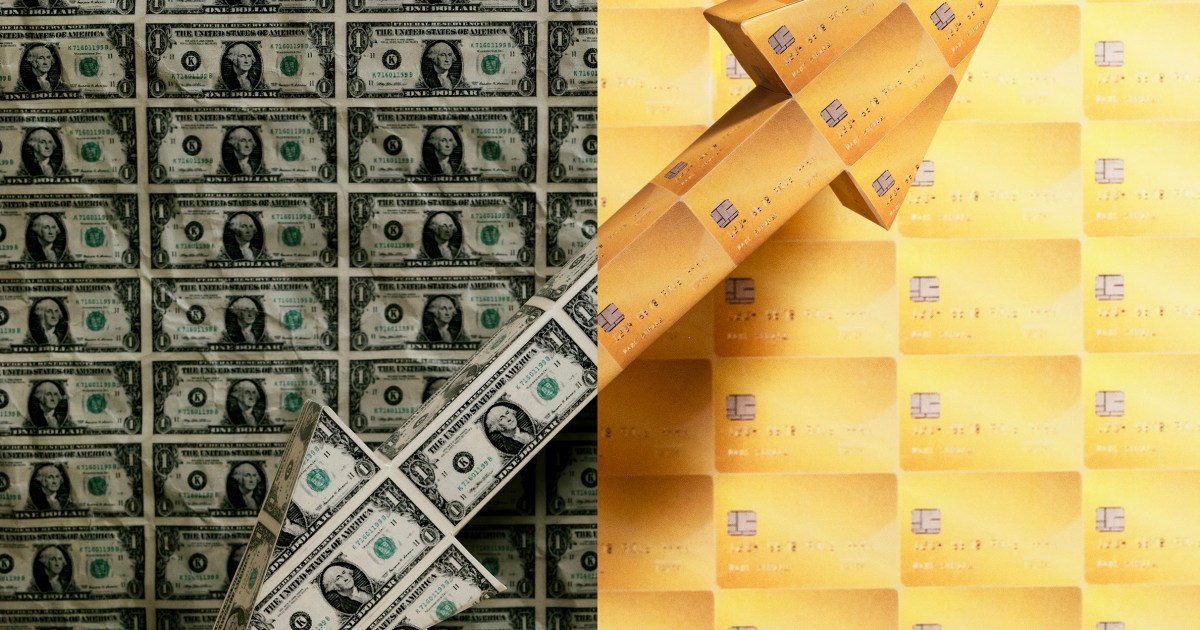
A Harvard Business School study released in 2026 estimates that people who pay with cash and debit cards subsidize $30 billion a year in points and rewards for credit card users. The study calculates that this transfer equals raising the average sales tax rate by around 16 percent for cash payers. , managers expect to pay more in credit card fees this year than they will on rent.
Said credit card fees are the biggest expense in the store and make it harder to stay afloat and keep prices low. Tiger Fuel operates 10 gas stations and convenience stores in Virginia. Total credit and debit card fees paid by merchants to card processors rose 70 percent since 2019 to $198 billion in 2025, according to the Nilson Report.
Visa and Mastercard are the leading card processors. The National Retail Federation estimates that credit card fees add more than $1,200 a year in higher prices for the average household. Mark Egan, a professor at Harvard Business School and an author of the study, said credit card users pay a higher price but get most of the fee back in rewards, while cash users pay the higher price without receiving any rewards.
Premium credit cards accounted for 60 percent of credit card volume in 2022 compared with 15 percent in 2006, the study found. 7 percent for basic credit cards and less than 1 percent for debit cards. The study estimated that premium credit card users received 43 percent of credit card rewards while paying just 30 percent of the higher prices resulting from swipe fees.
Cash users, who get no rewards, paid for 10 percent of those higher prices. Lower- and middle-income Americans are more likely to use cash, according to Federal Reserve data. Households earning less than $25,000 a year used cash for about a quarter of their purchases, while households with income of more than $150,000 used cash 9 percent of the time, a 2024 Federal Reserve survey found.
People 55 and older used cash 19 percent of the time, while those ages 25 to 54 used cash 10 percent of the time. The Electronic Payments Coalition stated that the Harvard analysis rests on a set of faulty assumptions that bias these estimates upwards.
The group said the study does not account for expenses to retailers of using cash, including cash pickups and bank charges, or benefits of credit cards such as fraud protection and faster transaction times.
The coalition also said the number of lower- and middle-income consumers with credit cards that offer rewards has been rising and that millions of low- and moderate-income families rely on cashback, travel, and rewards programs to help offset the rising cost of groceries, gas, and everyday expenses.
The Electronic Payments Coalition argued that lower swipe fees would not necessarily translate into lower prices, citing data that prices did not drop following a cap on some debit card fees in 2011. A group of retailers has been battling Visa and Mastercard for years over the fees they charge.
Lawmakers at the state and federal levels have proposed legislation to cap swipe fees. A growing number of companies have responded by offering cash discounts or adding surcharges for customers using a credit card. Lamarche said credit card fees are a pain point for retailers and customers.
Credit card fees can be as high as 5 percent for some premium cards.
Transparency
Reported by a single outlet. This score reflects source tier and factual specificity — corroboration is limited with one source.
Story details
Related Stories
 usmagazine.com
Dua Lipa and Callum Turner Marry in Civil Ceremony at London Registry Office
The couple held a civil ceremony Sunday at the London venue. They plan a second wedding and three-day reception in Italy.
 Nbc News
UK bars two U.S. online commentators from entering for festival appearances
British authorities canceled electronic travel authorizations for two American commentators scheduled to appear at events in London this week. Officials cited assessments of risk to UK society. The commentators said the decision followed their criticism of Israeli actions in Gaza…
 Euronews
Hungary’s Prime Minister Péter Magyar to Meet German Chancellor and French President
Péter Magyar will visit German Chancellor Friedrich Merz on Tuesday and French President Emmanuel Macron on Wednesday. The meetings follow a political agreement to unfreeze €16.4 billion in EU funds.