Health Officials Monitor Disease Risks at World Cup Matches
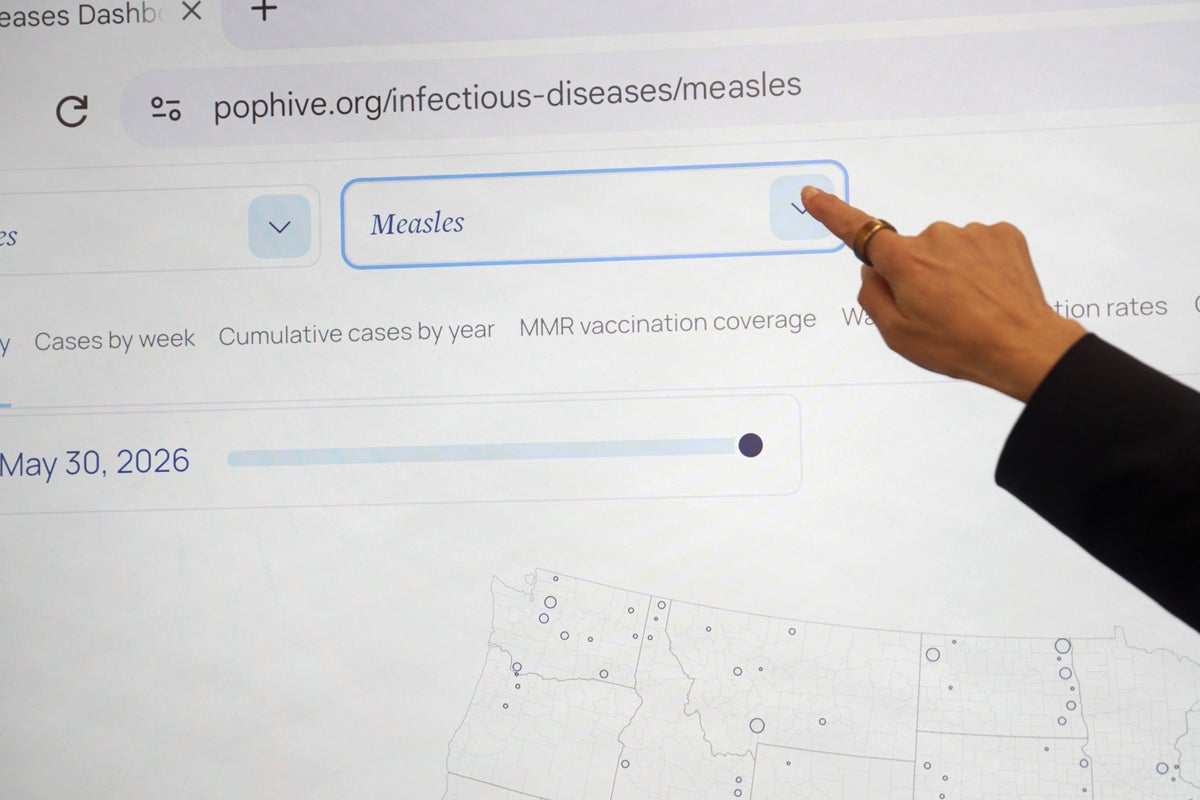
Health agencies are increasing surveillance for measles and other infections as millions attend World Cup events across North America. Officials are reviewing wastewater, hospital data, and social media for early signs of outbreaks.
 The Independent
Health officials are monitoring for infectious disease risks during World Cup matches that will draw millions of fans to 16 cities across North America. A heat wave is one concern, but crowded stadiums, bars, and tourist sites raise the possibility of measles, norovirus, and dengue fever spreading among attendees.
The Pan American Health Organization issued a measles warning this week, noting that a single case can infect up to 18 unprotected people.
Wastewater testing, hospital visit tracking, and social media monitoring are among the tools being used to detect outbreaks early. In Dallas, county health officials expanded wastewater screening at the international airport and increased mosquito testing for viruses including dengue and chikungunya.
Philadelphia's health commissioner said preparations included mock emergency drills and coordination with agencies nationwide.
The Centers for Disease Control and Prevention has faced staffing reductions and is already addressing an Ebola outbreak in central Africa and a hantavirus outbreak on a cruise ship. A planned World Cup disease surveillance dashboard remained in final development days before matches began, according to the Department of Health and Human Services.
A joint Georgetown University and MedStar Health center is issuing daily situation reports to several hundred local and federal public health groups and hospital officials.
More than 2,000 measles cases have been reported in the United States this year, nearly matching last year's total. Measles is also spreading in Canada and has exceeded 11,000 cases in Mexico. Health specialists said the risk of Ebola spreading at the World Cup is low because the virus requires direct contact with bodily fluids from symptomatic individuals and is subject to travel screenings.