Hegseth Lays Out Indo-Pacific Strategy Tied to New National Defense Strategy
Secretary of War Pete Hegseth presented the U.S. strategic vision for the Indo-Pacific region at the International Institute for Strategic Studies Shangri-La Dialogue 2026 in Singapore on May 30. The remarks directly connect the vision to the Pentagon’s updated National Defense Strategy and signal how the Defense Department intends to align regional posture, alliances, and capabilities with that document.
 warontherocks.com
SINGAPORE — Secretary of War Pete Hegseth delivered the Trump administration’s clearest articulation to date of its Indo-Pacific approach, tying it explicitly to the new National Defense Strategy during remarks at the annual Shangri-La Dialogue on May 30, 2026.
The speech, hosted by the International Institute for Strategic Studies, outlined how the Pentagon will orient forces, partnerships, and investments across the region under the revised strategy. Hegseth’s presentation focused on the operational priority of deterring conflict in the Indo-Pacific theater, the theater that the National Defense Strategy identifies as the Department of Defense’s primary focus.
The address affects every combatant command, service branch, and allied defense ministry that coordinates with U.S. forces in the region. It sets expectations for force posture decisions, security assistance packages, and joint exercises involving thousands of U.S. personnel and partner militaries stretching from the Indian Ocean to the Pacific islands.
The new guidance replaces the prior National Defense Strategy framework. Implementation begins immediately through the fiscal 2027 budget process and the next cycle of theater campaign plans. Combatant commanders must now revise operational plans and resource requests to conform to the updated strategic direction no later than the end of the current fiscal year.
Downstream, the Pentagon’s regional allies and security partners must adjust their own defense planning timelines to match the revised U.S. priorities before the 2027 Shangri-La Dialogue. The shift also triggers internal Defense Department reviews of acquisition programs, forward basing decisions, and multilateral exercise schedules that draw funding from the Pacific Deterrence Initiative and allied burden-sharing agreements.
Congress will receive updated justification books reflecting the new strategy in early 2027 appropriations cycles.
This marks the first time a Trump administration defense secretary has presented the completed National Defense Strategy at the Shangri-La Dialogue. The 2022 National Defense Strategy, issued by the prior administration, had guided Indo-Pacific operations until the current document superseded it.
Coverage spread
Substrate’s article above is written from the primary record. Below: how mainstream outlets reported the same event.
No mainstream coverage of this story has surfaced yet.
Transparency
Reported by a single outlet. This score reflects source tier and factual specificity — corroboration is limited with one source.
Related Stories
 The Independent
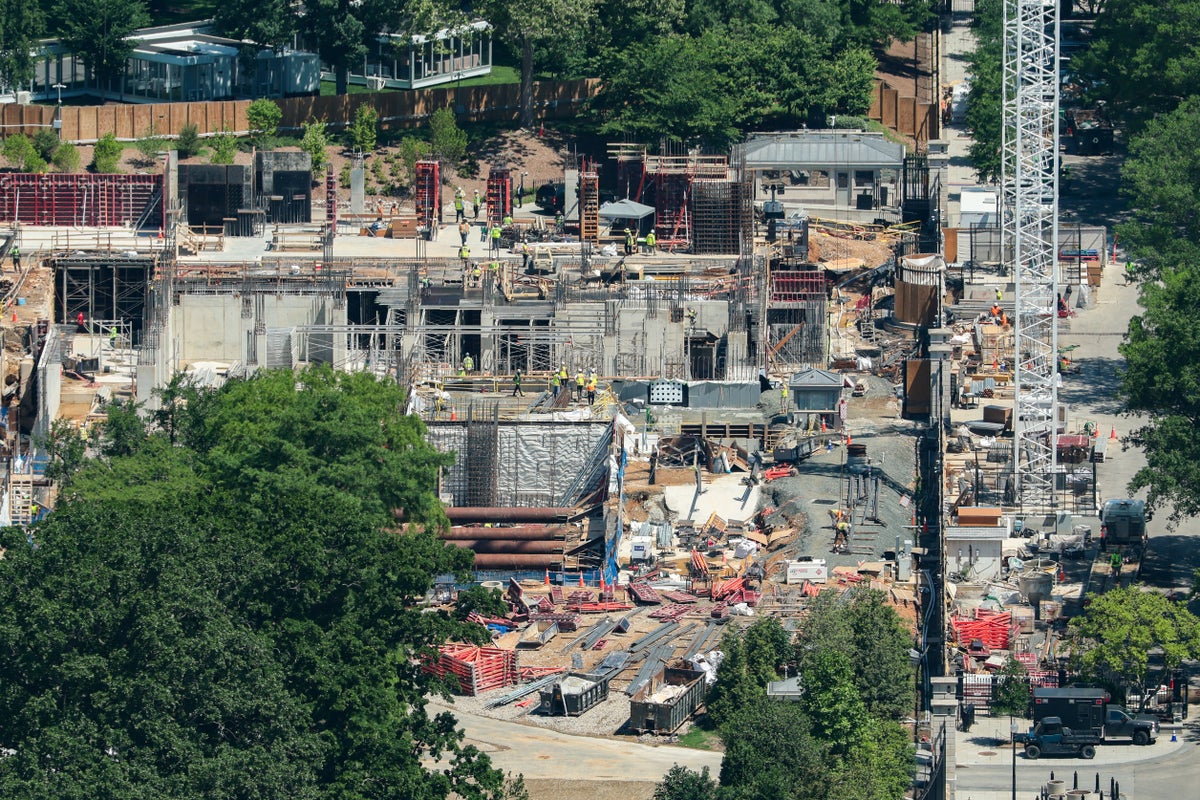
Appeals Court Allows White House to Resume Construction of Secure Ballroom and Counter-Drone Facility
U.S. District Judge Richard Leon ruled that President Trump lacks authority to build the 90,000-square-foot ballroom. An appeals court later allowed above-ground work to continue.
 news.sky.com
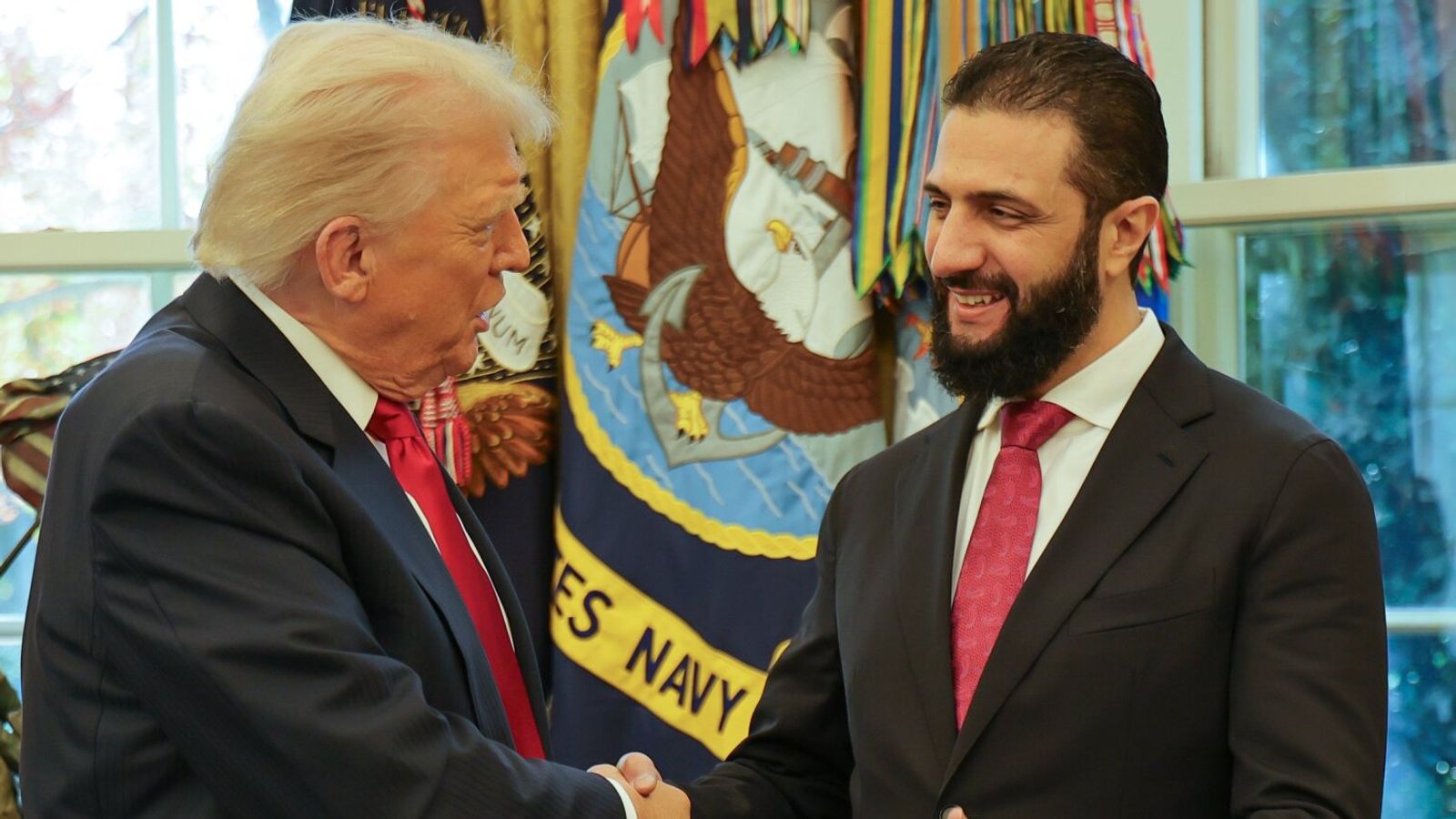
Trump and Syrian President Ahmed al-Sharaa Discuss Sanctions Relief in Phone Call
The two leaders discussed supporting Syria's economy and recent regional developments. Ahmed al-Sharaa stated that lifting remaining U.S. sanctions is essential for economic revival.
 nypost.com
Israeli Forces Seize Historic Beaufort Castle in Southern Lebanon
Israeli forces seized the 12th-century hilltop fortress overlooking the Litani River. The operation marks Israel's deepest advance into Lebanon in more than 26 years.