politics
High Liquor Taxes and Home Distillation Ban Sustain Black Market Sales
Federal and state alcohol taxes combined with a nationwide ban on home distillation continue to support an illegal market for distilled spirits. Courts may review the distillation restriction, but tax levels remain unchanged.
May 27, 7:00 AM·1m read1 source
 Reason
Audio version
Tap play to generate a narrated version.
Developing·Limited corroboration so far. This page will refresh as more sources emerge.
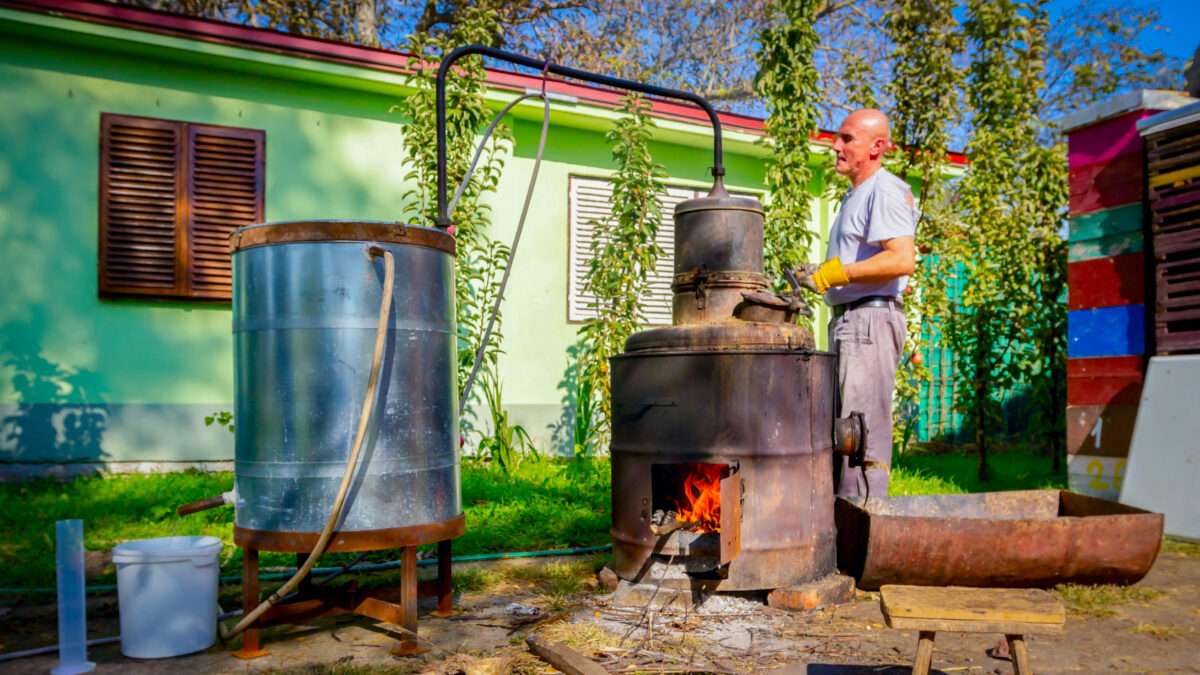
Federal excise taxes on distilled spirits reach $13.50 per proof gallon, while many states add their own levies that together exceed the production cost of some products. These rates apply to both commercial and any potential small-scale output. A federal statute prohibits individuals from operating stills without permits, a restriction that covers distillation for personal use.
Litigation challenging the home-distillation ban has reached federal courts in several districts. If courts lift the ban, individuals could legally produce limited quantities for personal consumption, but any output would still be subject to federal and state excise taxes.
Current tax rates on distilled spirits have not been reduced in recent legislation. Officials have stated that revenue from these taxes supports general government operations and targeted alcohol-control programs. Black-market suppliers avoid both the federal permit requirement and the associated tax payments, allowing lower prices for consumers who purchase outside legal channels.