Report Highlights Role of Industrialization in Africa's Response to Global Shocks
A new report from the Africa Finance Corporation emphasizes using existing capital for local processing of resources to boost infrastructure. It points to recent examples like Aliko Dangote's refinery amid the Iran war's fuel price impacts. Governments in several countries are establishing funds to support such development.
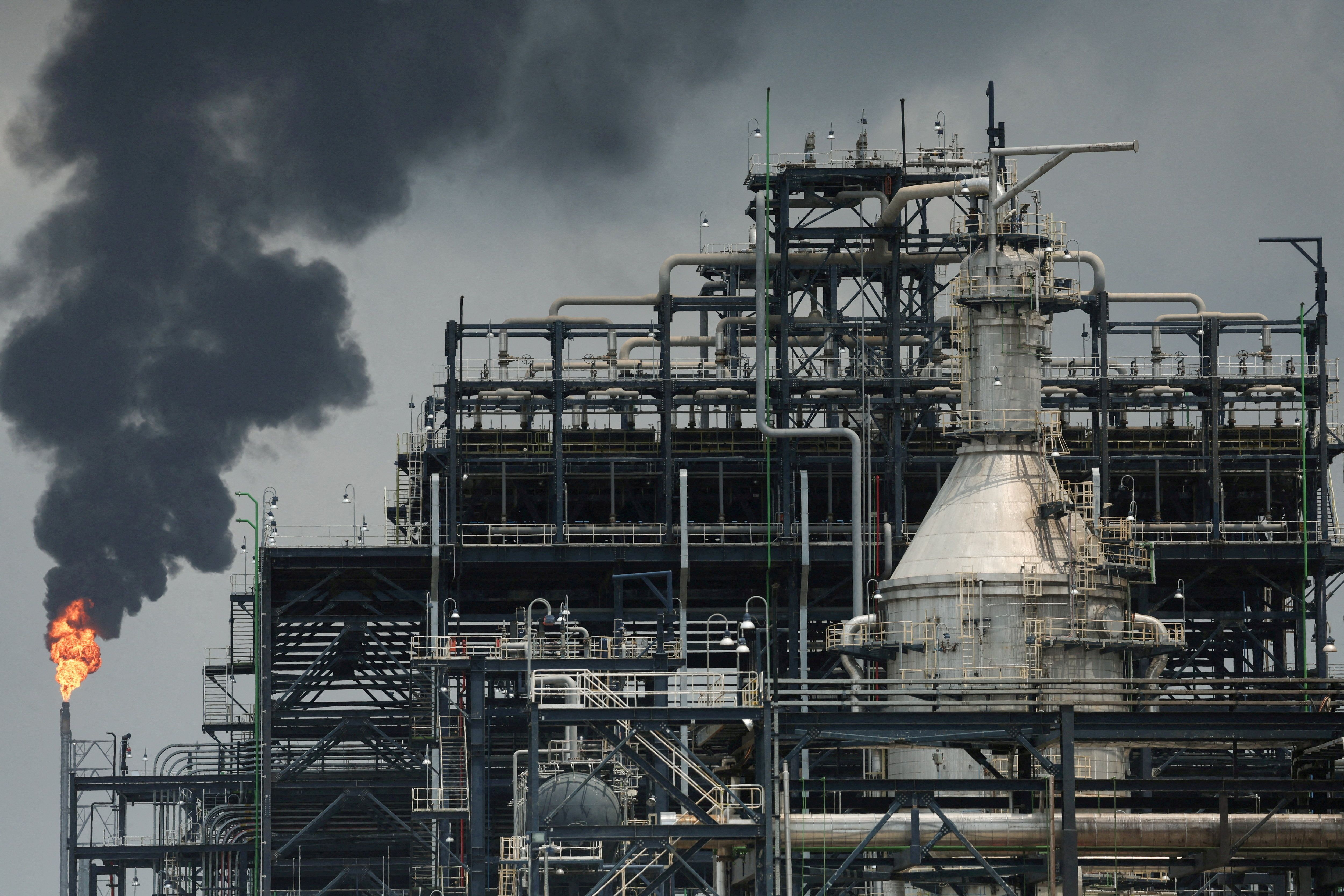
SemaforA report by the Africa Finance Corporation states that developing infrastructure across Africa depends on utilizing existing capital for local processing of fuel, fertilizer, and metals, rather than seeking new funds. The organization hosted an event in Nairobi last week, where plans for an East African mega refinery were announced.
Capital held by African institutions increased to more than $2 trillion from over $1.6 trillion a year ago, partly due to higher gold holdings in central bank reserves amid record prices.
“The key issue isn’t the size of windfalls but whether they’re effectively utilized to mobilize domestic capital into infrastructural and industrial systems," Fola Fagbule, AFC’s deputy director and head of financial advisory, said.”
Late last year, Kenya and DR Congo announced the creation of similar funds to capture proceeds from selling government stakes in public assets and mining revenues, respectively. Key challenges to expanding industrialization include ensuring stable power supply, which remains inconsistent in much of the continent, and maintaining political commitment to long-term projects that extend beyond election cycles.
Key Facts
Story Timeline
5 events- Apr 27, 2026
Semafor published an analysis on scaling up industrialization in Africa amid global shocks.
1 sourceSemafor - Last week
Africa Finance Corporation hosted a Nairobi event announcing plans for an East African mega refinery.
1 sourceSemafor - Late last year
Kenya and DR Congo announced creation of funds to capture revenues from assets and mining.
1 sourceSemafor - A year ago
Capital held by African institutions was over $1.6 trillion, rising to more than $2 trillion now.
1 sourceSemafor - Two years ago
Senegal began producing oil and committed revenues to sovereign wealth funds for infrastructure.
1 sourceSemafor
Potential Impact
- 01
Deployment of domestic capital may accelerate infrastructure projects in multiple African countries.
- 02
Increased local processing could reduce Africa's vulnerability to global fuel price fluctuations.
- 03
New sovereign wealth funds could fund long-term industrialization beyond current election cycles.
- 04
Addressing power supply issues could enable broader industrial expansion across the continent.
- 05
Plans for an East African refinery might lead to similar initiatives in other regions.
Transparency Panel
Related Stories
Explosion at China Fireworks Factory Kills 26 and Injures 61 in Hunan Province
An explosion at the Huasheng Fireworks Manufacturing and Display Company in Liuyang, Hunan province, killed at least 26 people and injured 61 on Monday afternoon. Rescue operations concluded with evacuations and production halts at local fireworks manufacturers. President Xi Jinp…
indiatoday.intoday.inTrump Pauses Project Freedom in Strait of Hormuz Amid Progress on Iran Agreement
President Trump announced a temporary pause to Project Freedom, the U.S. effort to escort ships through the Strait of Hormuz, citing mutual agreement with Iran to facilitate finalizing a deal while the blockade remains in place. The decision follows requests from Pakistan and oth…
Australian Government Introduces Levy on Tech Platforms to Support Local News Publishers
Australia's government introduced the News Bargaining Incentive to shield publishers from big tech's use of news content. President Trump imposed a 100% tariff on imported pharmaceuticals, but Australia stated it would not raise drug prices. On International Day of the Midwife, g…