world
Historian Says U.S. Navy Faces Weakness After Iran Conflict
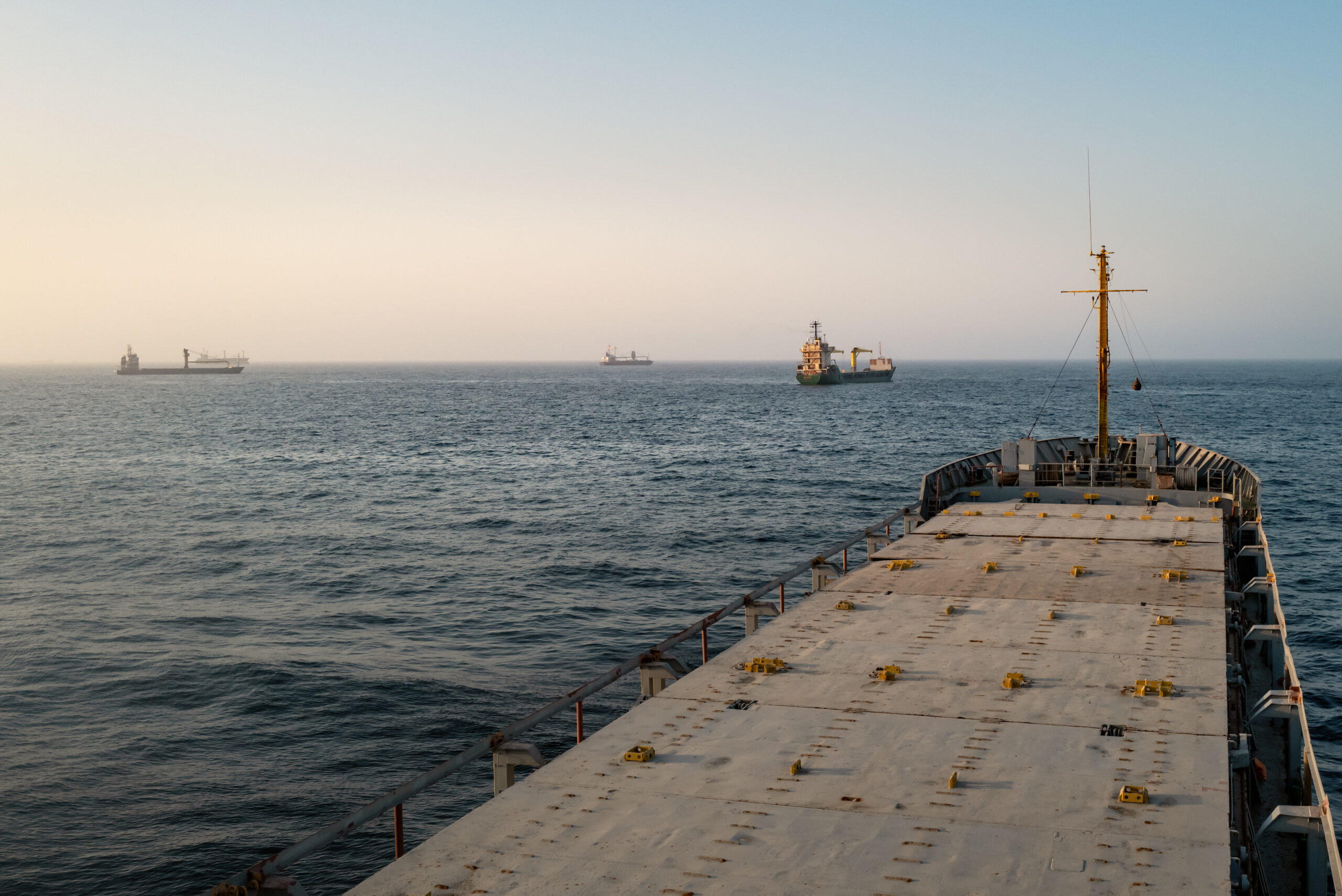
A maritime historian says the recent U.S.-Iran conflict revealed serious gaps in American naval planning around the Strait of Hormuz. The assessment comes as officials indicate the fighting may be nearing an end.
May 24, 11:11 AM·1m read2 sources
MA
 thehindu.com
Audio version
Tap play to generate a narrated version.
Developing·Limited corroboration so far. This page will refresh as more sources emerge.
Maritime historian Sal Mercogliano stated that the recent conflict exposed major weaknesses in American naval strategy, particularly around the Strait of Hormuz. Mercogliano said Washington had degraded much of Iran’s conventional military capacity yet still faced questions over Tehran’s continuing leverage on global trade routes.
The historian argued that any lasting Iranian influence in the strait would represent a major shift in global maritime power. U.S. naval planning when facing adversaries who control narrow chokepoints.
Mercogliano noted that the Strait of Hormuz remains a critical passage for oil and other commodities. If the United States accepts a reduced role there, he said, shipping patterns and insurance costs could change for years. The historian’s comments come as officials in Washington indicate the active phase of the conflict may be ending.
Transparency
How sources framed this
MA
MA
These outlets didn't split into competing frames — coverage was uniform.
CorroborationLimited · 2 sources