Unbiased AI-powered news
The U.S. House approved a three-year reauthorization of Section 702 of the Foreign Intelligence Surveillance Act on Wednesday, including expanded penalties and a ban on central bank digital currencies. The bill faces challenges in the Senate ahead of the program's expiration at midnight Thursday. Senate Majority Leader John Thune indicated a likely 45-day clean extension instead.
Substrate placeholder — needs reviewThe House passed a three-year reauthorization of Section 702 of the Foreign Intelligence Surveillance Act on Wednesday by a vote of 235-191. A 10-day extension of the Section 702 program's authorization expires at midnight on Thursday. The House bill expands criminal penalties for abuses of the Section 702 program.
The House bill establishes a new FBI requirement to provide written statements for searches related to information collected on Americans. Section 702 allows the federal government to collect communications of foreigners abroad without a warrant, including when those people are interacting with Americans.
Two-thirds of the president's daily national security briefing comes from intelligence collected by Section 702 of FISA, according to the Office of the Director of National Intelligence.
The House measure will be merged with a bill to ban the Federal Reserve from creating a Central Bank Digital Currency. Senate Majority Leader John Thune said on Wednesday evening that the House's bill would be very hard for the Senate to pass. Senate Majority Leader John Thune said the Senate will likely move forward on a 45-day clean authorization.
Senate Majority Leader John Thune said he told House GOP leadership that the Senate could not move the bill because of its CBDC provisions. Senate Majority Leader John Thune said the Senate is probably going to end up doing a short-term extension and send it back. Both chambers of Congress are slated to leave town for a weeklong recess after Thursday's session.
Over 40 House Democrats voted in favor of the three-year extension of Section 702, according to the Washington Examiner. In a more precise count from the same outlet, 42 House Democrats voted in favor of the three-year extension of Section 702. Meanwhile, 22 Republicans voted against the three-year extension of Section 702.
Speaker Mike Johnson has worked for over a month to strike a deal with privacy hawks and members of the House Intelligence Committee on the Section 702 extension. Rep.
The House-passed deal does not include a warrant requirement for Section 702. The House-passed deal includes new oversight guardrails and penalties for abusing Section 702. The House agreed to a ban on central bank digital currency before sending the Section 702 legislation to the Senate.
Rep. Keith Self voted yes to reauthorize FISA because it includes significant new guardrails and a permanent ban on a CBDC. Senate Majority Leader John Thune said earlier this week that any FISA deal that attaches a ban on CBDC would be dead on arrival in the Senate.
Senate Majority Leader John Thune said the Senate would likely pass a short-term 45-day extension of Section 702. Speaker Mike Johnson said the Senate knows exactly what the House is doing regarding an extension of Section 702.
The FISA program is set to expire on Thursday unless both chambers pass an agreement to extend it. House Speaker Mike Johnson, speaking at a news conference following a closed-door GOP meeting at the Capitol in Washington on April 21, 2026, emphasized the program's importance.
We cannot allow it to go dark," Johnson said. Senate Majority Leader John Thune, addressing reporters, reiterated the challenges.
He added that the Senate had communicated clearly to House leadership about the CBDC issue. Rep.
With FISA expiring tomorrow, this is a challenge to the Senate: will they finally pass legislation protecting our constituents from total federal surveillance of their finances or will they spit in the face of the American people and strip it out? The choice is theirs to make and I hope that they make the correct decision.
" Speaker Mike Johnson, responding to questions after the procedural rule passage, stated: "I speak with Leader Thune all of the time.
They’re watching this very closely, and hopefully they can process what we send them. " The program's authorization, vital for collecting intelligence on foreign adversaries including terrorists and spies, faces uncertainty as the deadline approaches. The bipartisan House vote saw Democratic support offsetting Republican defections in a chamber with a narrow majority.
The inclusion of the CBDC ban, demanded by GOP holdouts, emerged as a key concession to secure passage.
These outlets didn't split into competing frames — coverage was uniform.
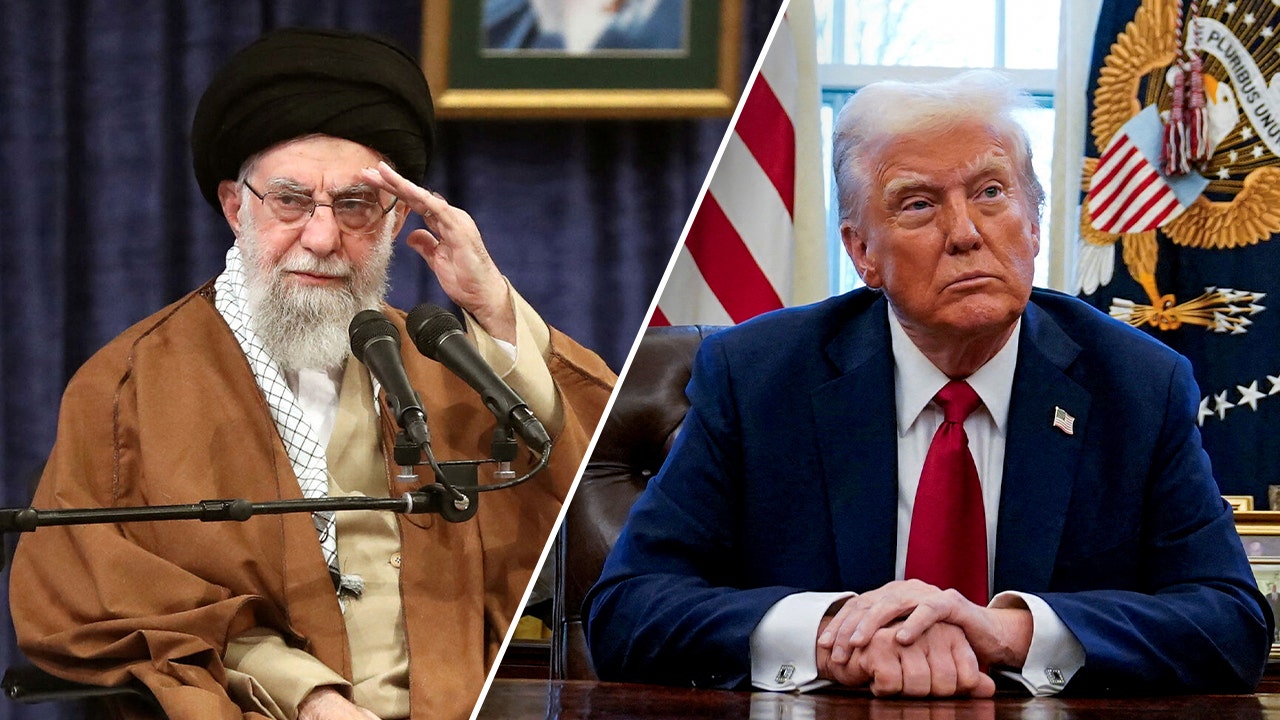
indiatoday.intoday.inPresident Donald Trump announced on July 13 that the United States is reinstating a naval blockade on Iranian ships in the Strait of Hormuz and will charge a 20 percent fee on all cargo to cover security costs. Brent crude prices rose above $79 per barrel after the statements.
foxnews.comPresident Donald Trump announced Monday that the United States will guard the Strait of Hormuz, charge ships 20 percent of cargo value for safe passage, and reinstate its naval blockade on Iranian vessels. The move reverses elements of a June 17 agreement that had lifted the bloc…
President Trump declared July 13 that the United States will collect a 20 percent toll on cargo through the Strait of Hormuz while serving as its guardian. The announcement reimposes the blockade on the key waterway.