science
House Farm Bill Would Restrict Federal Solar Funding on Prime Farmland
The House version of the farm bill includes a provision barring federal grants for ground-mounted solar projects on prime farmland. Properties under five acres and some under 50 acres would remain eligible under conditions. The Senate is expected to begin work on its version in June.
May 29, 11:00 AM·2m read1 source
 The Guardian
Audio version
Tap play to generate a narrated version.
Developing·Limited corroboration so far. This page will refresh as more sources emerge.
The House-passed farm bill contains a provision that would prevent federal funding for converting prime farmland to ground-mounted solar arrays. Properties under five acres would be exempt, as would roof-mounted systems. Projects on parcels under 50 acres could still qualify if approved by the local county or municipality.
Twelve years ago, Massachusetts dairy farmer George Hunt installed roof-mounted solar panels on his cow barn using a Rural Energy for America Program grant that covered roughly one-third of the cost. The system eliminated his electric bill for a decade.
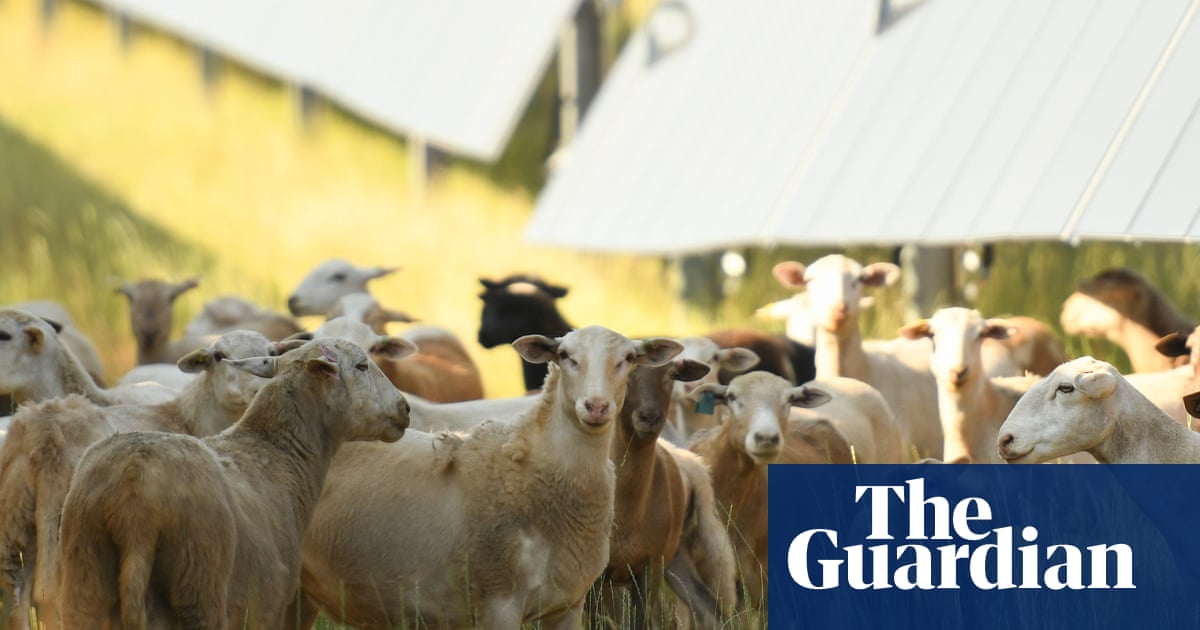
Hunt later sought a second grant to add agrivoltaics arrays on a 19-acre hayfield, but the application was denied after the program stopped accepting new requests.
The bill also bars federal support for any solar project using components made or assembled by a foreign entity of concern, a category that includes China, which accounts for about 80 percent of global solar panel production. Trade group Solar Energy Industries Association has noted that a growing number of local governments are considering or enacting limits on solar development on farmland.
Richa Patel of the National Sustainable Farm Coalition stated that solar projects have helped producers remain in operation during periods of financial strain. Samantha Levy of the American Farmland Trust said the foreign-component rule could function as a de facto ban and would raise costs for small farmers even if domestic supply increases.
The Senate agriculture committee is scheduled to begin drafting its version of the bill in June. A separate House provision calls for a federal study on the effects of agrivoltaics on rural economies, biodiversity, and agricultural production. Reagan Farr, co-founder and CEO of Silicon Ranch, said such a study could provide a federal definition of agrivoltaics and reduce perceived tension between agriculture and energy uses.