House Passes Bill Requiring DOJ to Publish Annual List of Jurisdictions With Cashless Bail Policies
The legislation cleared the House 308-116 on Thursday with support from 96 Democrats. Sponsored by Rep. Mark Harris of North Carolina, the measure now heads to the Senate. It directs the attorney general to publish an annual list of jurisdictions allowing release without cash bail for serious crimes.
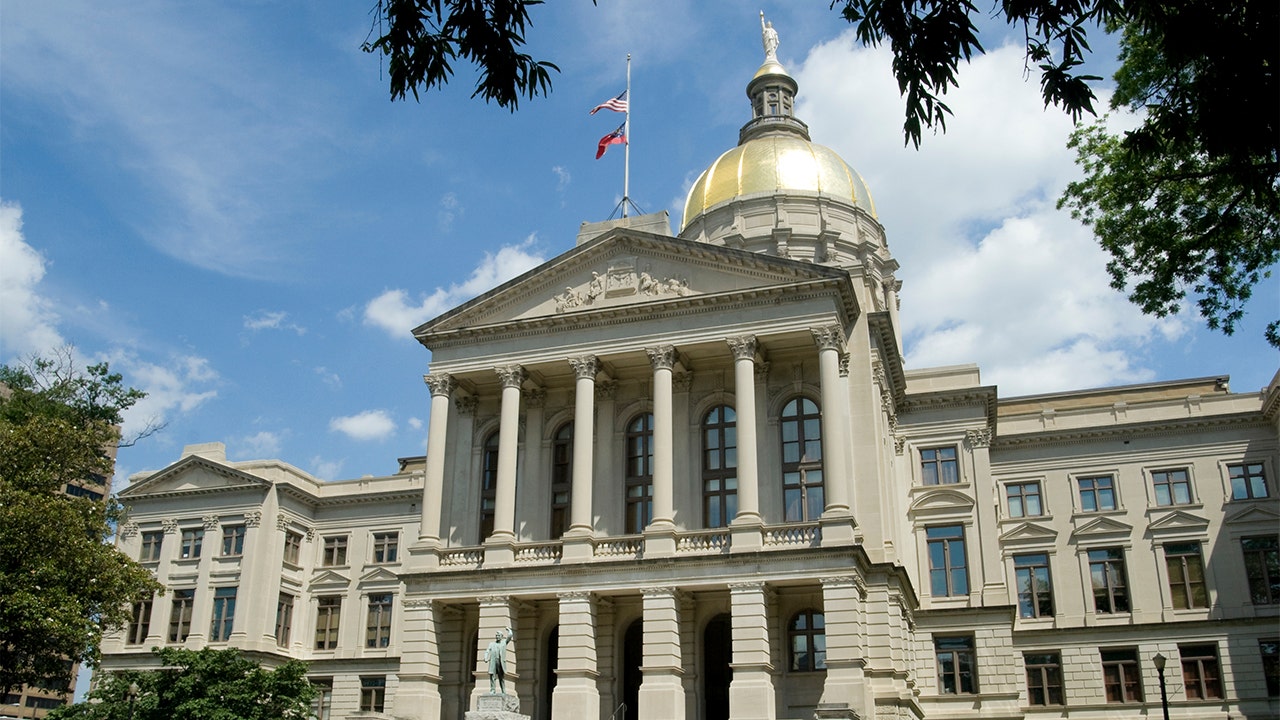 foxnews.com
U.S. House of Representatives passed legislation on Thursday requiring the Department of Justice to publicly identify jurisdictions with cashless bail policies. The bill cleared by a vote of 308-to-116 and now heads to the Senate.
Ninety-six Democrats joined 211 Republicans to vote in favor. One hundred fourteen House Democrats voted against the legislation. Rep. Kevin Kiley (I-CA), an independent who caucuses with the GOP, voted for the measure.
Meanwhile, 114 Democrats and two House Republicans voted against the measure. An office for one of the House Republicans told the Washington Examiner the vote was by mistake and is being rectified. The legislation was introduced by Rep.
Mark Harris (R-NC). It would require the attorney general to publish an annual list of state and local governments that allow suspects accused of crimes deemed threats to public safety to be released without posting cash bail. Covered offenses include murder, rape, burglary, looting, and rioting.
“Americans should be able to see which jurisdictions have enacted dangerous and irresponsible policies related to bail when making decisions about where to live, work, or travel,” Harris said. ” “The American people deserve transparency and accountability when it comes to policies that affect public safety,” he said.
Over the past decade, numerous states and cities have adopted cashless bail laws.
Under the system, judges are prevented from mandating that individuals charged with crimes post bail before being released from police custody pending trial. A study conducted by the Yolo County district attorney’s office in California found that individuals released on zero bail were subsequently rearrested for a total of 169% more crimes than individuals released on bail.