House Rejects Resolution to Limit Trump’s Military Action in Iran by One Vote
The U.S. House of Representatives voted 213-214 to reject a Democratic resolution aimed at requiring congressional authorization for continued military action against Iran. The measure failed largely along party lines, with one Republican and one Democrat crossing sides.
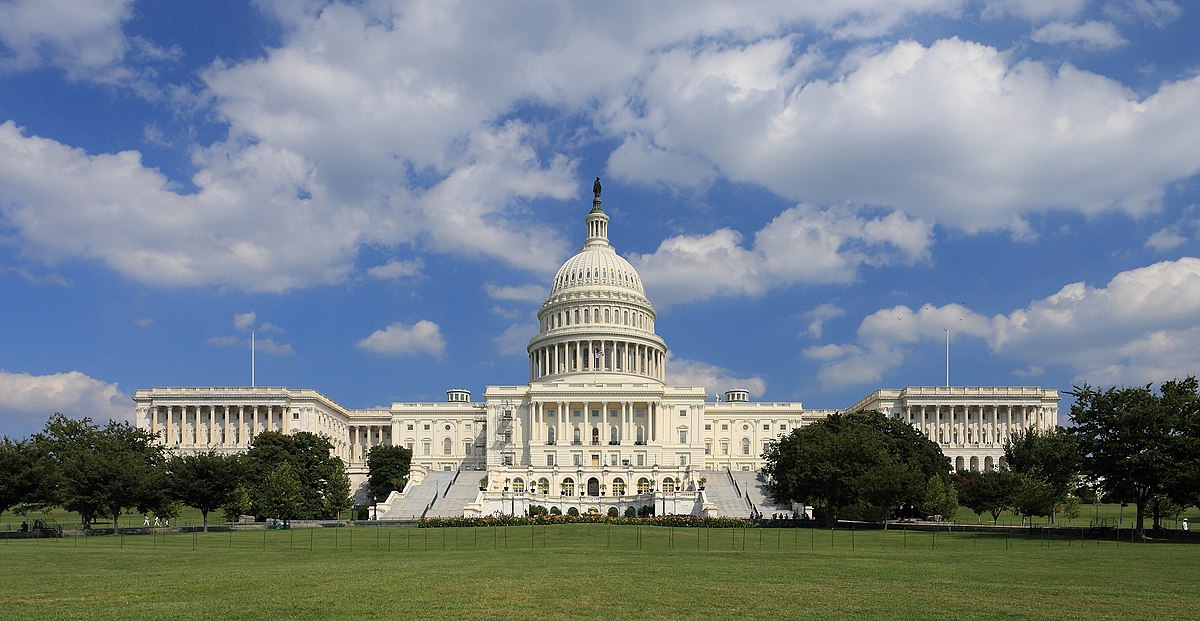 Architect of the Capitol / Wikimedia (Public Domain)
House Vote on Iran War Powers Resolution The U.
S. S. military hostilities against Iran unless explicitly authorized by Congress. The vote was 213 against and 214 in favor, failing by a single vote. The resolution was introduced by a senior Democratic member of the House Foreign Affairs Committee.
S. armed forces from hostilities with Iran, except in extreme cases defined by the War Powers Resolution.
Voting Breakdown and Political Context
The vote was almost entirely along party lines.
Only one Republican representative voted in favor of the resolution, while one Democrat voted against it. Three Republicans did not participate in the vote.
House leadership from the Republican side expressed support for the president’s military campaign, emphasizing the perceived threat posed by Iran and framing the operation as a successful military effort. The president himself has expressed confidence that the conflict could conclude soon, citing actions such as a naval blockade of Iranian ports.
Public Opinion and Previous Attempts
This was the third attempt by House Democrats to pass a war powers resolution aimed at limiting the president’s authority in the conflict with Iran.
Previous efforts also failed by narrow margins. S. military action in Iran and the president’s handling of the situation. Economic consequences, including rising gas prices and increased costs for diesel and fertilizer, have raised concerns about political repercussions ahead of upcoming elections.
Senate Action and Broader Implications One
day prior to the House vote, the Senate rejected a similar resolution by a vote of 52-47, with nearly all Republicans opposing and most Democrats supporting the measure.
The failure of both chambers to pass these resolutions leaves the president free to continue military operations without explicit congressional authorization. The conflict is currently under a two-week ceasefire, and the administration has suggested the possibility of a second round of peace talks with Iran.
>"Donald Trump has dragged the American people into a war of choice, launched without congressional authorization.
" — House Foreign Affairs Committee ranking member, April 16, 2026 (NBC News) >"This is not a skirmish. This is not a military operation. " — Resolution sponsor, April 16, 2026 (Fox News) The vote highlights ongoing tensions between the executive branch and Congress over war powers and the constitutional role of Congress in authorizing military action.
Story Timeline
3 events- Apr 16, 2026
House votes 213-214 to reject resolution limiting president's military action in Iran.
4 sourcesNBC News · Axios · Fox News · The New York Times - Apr 15, 2026
Senate votes 52-47 to reject similar resolution restricting Iran war powers.
2 sourcesNBC News · Axios - Mar 5, 2026
House fails to advance earlier measure to end Iran war by vote of 212-219.
1 sourceNBC News
Potential Impact
- 01
President retains authority to continue military operations in Iran without congressional approval.
- 02
Potential for increased congressional-executive branch tensions over war powers persists.
- 03
Public opposition to the war may influence future congressional votes and elections.
- 04
Economic effects from the conflict, including higher fuel prices, could impact voter sentiment.
Transparency Panel
Related Stories
 California Supreme Court Archives / Wikimedia (Public domain)
California Supreme Court Upholds John Eastman's Disbarment in 2020 Election Case
The California Supreme Court upheld a 2024 ruling disbarring John Eastman for his role in attempting to overturn the 2020 presidential election. Eastman lost his law license and was ordered to pay $5,000 to the California State Bar. His legal strategy involved efforts to have the…
Architect of the Capitol / Wikimedia (Public Domain)Boebert Seeks to Revoke Pensions of Swalwell and Gonzales After Resignations
Republican Rep. Lauren Boebert announced plans to strip former Reps. Eric Swalwell and Tony Gonzales of their taxpayer-funded pensions following their resignations over sexual misconduct allegations. Both former lawmakers are eligible for annual pensions of about $22,000 starting…
 Washington Examiner
House GOP Leaders Negotiate FISA Extension Amid Internal Divisions
House Republican leaders are negotiating with party holdouts to advance an extension of Section 702 of the Foreign Intelligence Surveillance Act. A procedural vote scheduled for the afternoon was delayed as discussions continue. Options for short-term extensions are under conside…