technology
House and Senate votes fail to extend Section 702 surveillance program
A U.S. government surveillance program authorized under Section 702 of the Foreign Intelligence Surveillance Act is scheduled to lapse Friday. Congressional attempts to pass a temporary extension were rejected in both chambers this week.
 eff.org
Audio version
Tap play to generate a narrated version.
Developing·Limited corroboration so far. This page will refresh as more sources emerge.
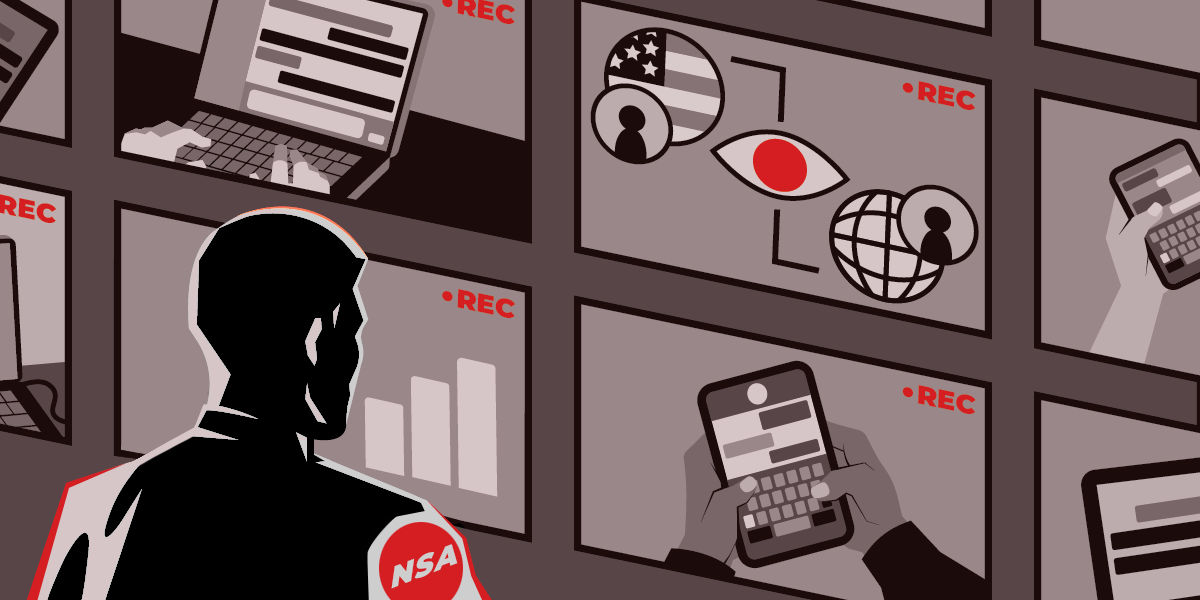
A U.S. government surveillance program authorized under Section 702 of the Foreign Intelligence Surveillance Act is scheduled to lapse Friday after House and Senate votes to extend it failed. The program permits U.S. spy agencies to collect and examine communications of foreigners located outside the United States without a warrant.
Officials have described it as a tool used to disrupt terrorism plots, investigate ransomware attacks, and support operations such as the 2022 drone strike that killed al-Qaida leader Ayman al-Zawahri.
702 The provision was enacted in 2008 as part of the Foreign Intelligence Surveillance Act. It has required periodic reauthorization by Congress, with past renewals accompanied by debate over privacy protections for Americans whose communications may be incidentally collected.
Civil liberties groups have cited instances in which FBI analysts queried the collected data for information on U.S. persons, including matters connected to the January 6, 2021, Capitol riot and 2020 racial justice protests. Officials have stated that corrective steps have been taken and that a warrant requirement would be unnecessary and burdensome.
Recent congressional action A House measure to grant a temporary extension was defeated 198-218, with 19 Republicans joining nearly all Democrats in opposition. A Senate effort also failed. Lawmakers cited concerns over the Trump administration's acting national intelligence director nominee as a factor in the votes.
After the votes, the administration announced a new permanent nominee for director of national intelligence. Connecticut Rep. Jim Himes, the top Democrat on the House Intelligence Committee, said the earlier selection had contributed to the impasse.

