finance
House Speaker McCarthy Warns Wall Street of No Debt Limit Increase Without Spending Cuts
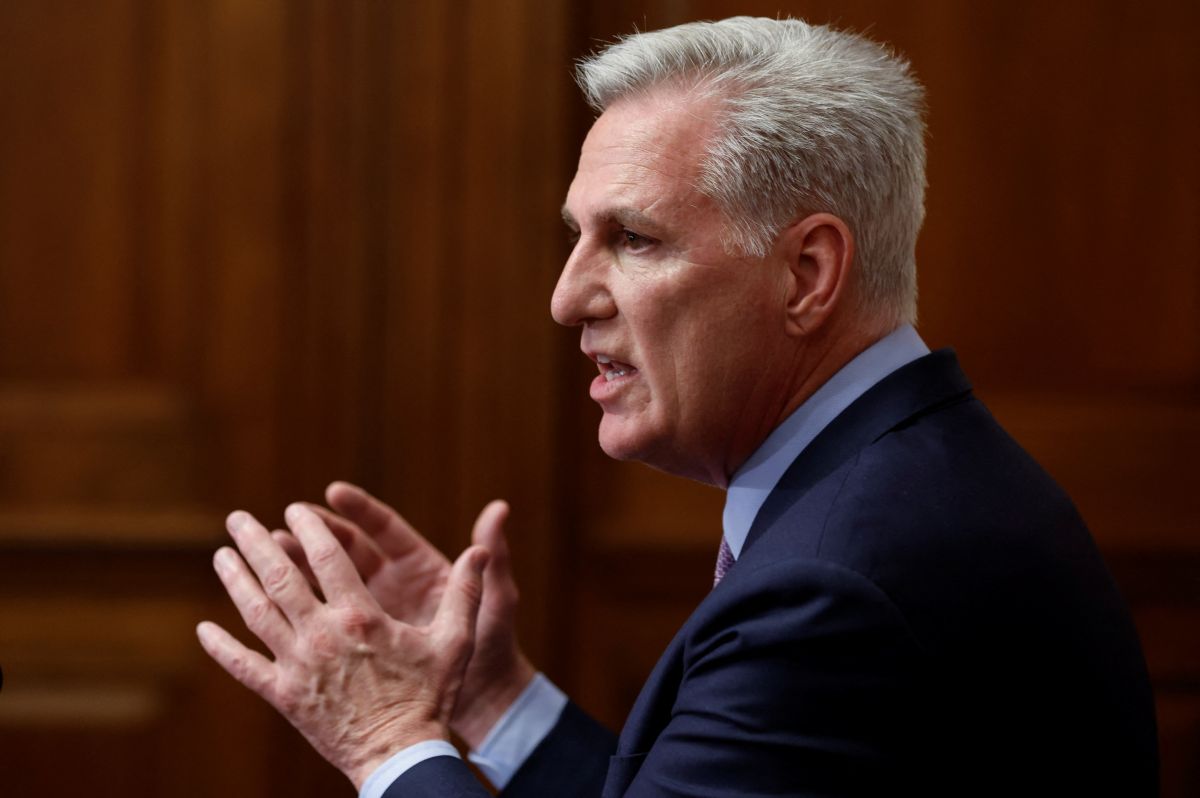
House Speaker Kevin McCarthy visited Wall Street on Monday to state that House Republicans will not raise the U.S. debt ceiling unless President Biden accepts spending reductions. These cuts would target Biden's domestic policy initiatives. The remarks highlight ongoing fiscal negotiations amid rising national debt concerns.
Apr 18, 6:03 PM·2m read2 sources
 rediff.com
Audio version
Tap play to generate a narrated version.
House Speaker addressed financial leaders on Wall Street on Monday, warning that the Republican-controlled House will block any increase in the federal debt limit without corresponding spending cuts from the administration. The debt ceiling, was reached in January 2023, prompting Treasury Secretary to urge Congress to act by early June to avoid default risks. in fiscal year 2022.
The Speaker specified that the proposed cuts would focus on non-defense discretionary spending, aiming to roll back increases from the administration's agenda including infrastructure and climate initiatives. He traveled to New York to meet with business executives, emphasizing the need for fiscal responsibility to prevent economic fallout. S.
8 trillion as of May 2023, with interest payments projected to exceed $800 billion annually by 2025.
The current impasse stems from partisan disagreements over budget priorities.
8 trillion in spending cuts over a decade. Democrats, controlling the Senate and White House, rejected the measure, with the President calling it a non-starter that undermines key programs. has warned that failure to raise the limit could lead to delayed Social Security payments, unpaid military salaries, and halted Medicare reimbursements, affecting millions.
Economists estimate a potential default could trigger a recession, with GDP contracting by up to 6% and unemployment rising to 8%. 9% in April 2023.
This confrontation occurs as the 2024 presidential campaign begins, with fiscal policy emerging as a central issue.
The Speaker's Wall Street outreach seeks to build support among business leaders for GOP demands. Analysts note that similar debt ceiling battles in 2011 and 2023 led to credit rating downgrades by agencies like S&P and Moody's. The President has proposed a clean debt limit increase without conditions, arguing that default would be catastrophic.