Substrate
world

House Passes Iran War Powers Resolution in 212-212 Tie

A House resolution directing an end to the conflict with Iran failed Thursday on a 212-212 tie vote, the third such unsuccessful attempt since hostilities began. Three Republicans joined one Democrat in supporting the measure while the remainder of their parties voted along largely partisan lines.

The American Conservative
The Hill
2 sources·May 14, 11:30 PM(13 days ago)·2m read
House Passes Iran War Powers Resolution in 212-212 TieThe Hill
Audio version
Tap play to generate a narrated version.
Developing·Limited corroboration so far. This page will refresh as more sources emerge.

The outcome marked the third time a war powers resolution has failed in the chamber since the conflict began. A tie vote means the resolution does not advance. Three Republicans voted in favor of the resolution while one Democrat voted against it. The remainder of each party largely held to partisan lines on the question of ending the military engagement.

The resolution invoked the War Powers Resolution of 1973, which requires the president to withdraw U.S. forces from hostilities absent explicit congressional authorization within a set period. Supporters argued the current conflict had exceeded that window without such approval.

Opponents maintained that the existing military posture fell within the president's authority as commander in chief and did not trigger the resolution's requirements. The narrow failure leaves current operations unaffected by new statutory restrictions from Congress.

The three Republicans who supported the measure crossed party lines to join most Democrats in backing the resolution. The single Democrat who opposed it aligned with the majority of Republicans in voting no. A 212-212 tie automatically defeats the resolution under House rules.

No further procedural votes were reported immediately after the tally. The vote came amid continued U.S. military involvement in the Iran conflict, though specific operational details were not addressed in floor debate covered by reporting on the resolution.

This marked the third attempt to pass a war powers resolution regarding Iran in the current Congress. The repeated votes reflect ongoing congressional debate over the extent of legislative authority to direct the termination of military engagements initiated by the executive branch.
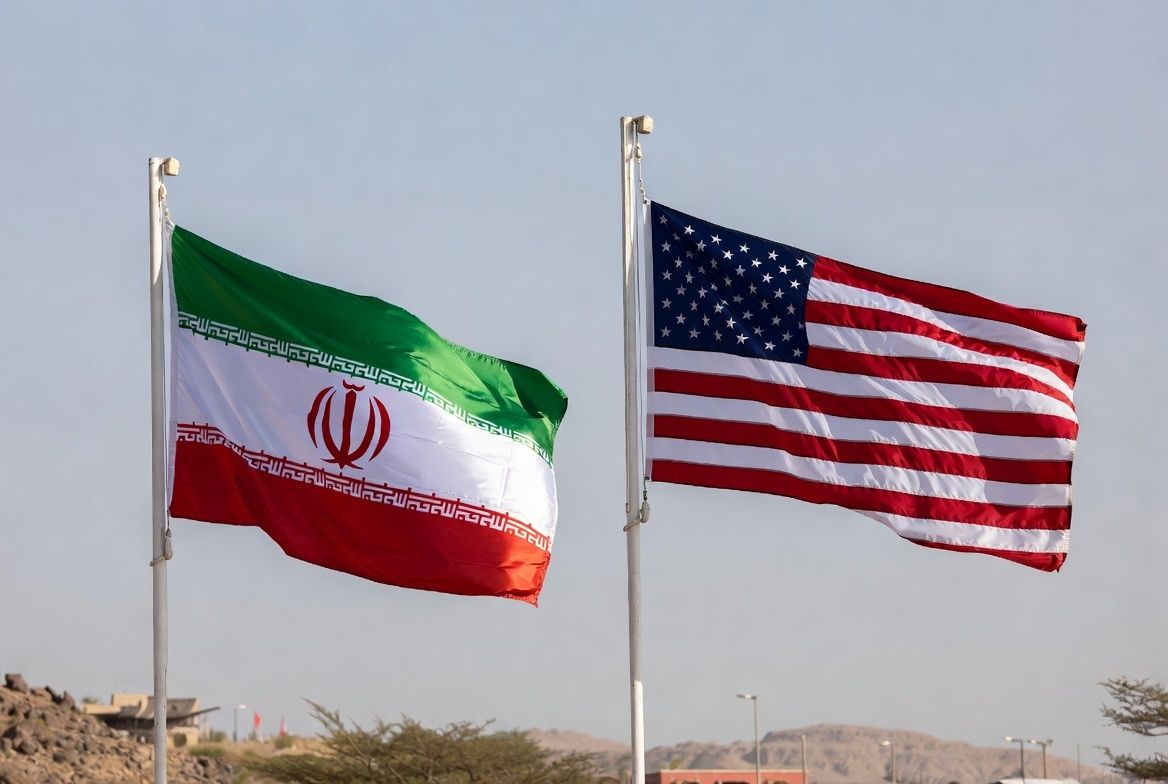

Supporters of the measure have argued that sustained operations without fresh congressional approval violate the spirit and letter of the 1973 law. Opponents have countered that the law includes exceptions for defensive actions and that existing notifications to Congress satisfied statutory requirements.

Implications for U.S.

No new congressional restrictions were imposed by the vote. Future attempts to pass similar measures would require either changed membership or shifts in partisan support to overcome the current balance. " — The Hill, May 2026 The outcome leaves unresolved broader questions about the balance of authority between Congress and the president in matters of military engagement abroad.

Key Facts

212-212
tie vote defeated the Iran war powers resolution
Third attempt
this was the third failed House resolution on Iran conflict
3 Republicans
voted to support the resolution to end the conflict
1 Democrat
voted against the resolution

Story Timeline

3 events
  1. May 15, 2026

    House voted 212-212 on resolution to end Iran conflict, resulting in failure.

    2 sourcesThe Hill · The American Conservative
  2. May 2026

    This marked the third failed war powers resolution on Iran in the House.

    2 sourcesThe Hill · The American Conservative
  3. Earlier 2026

    Two previous war powers resolutions regarding the Iran conflict also failed.

    1 sourceThe Hill

Potential Impact

  1. 01

    Current U.S. military operations against Iran face no new statutory withdrawal deadline.

  2. 02

    The narrow tie vote highlights persistent partisan divisions on authorizing military engagements.

  3. 03

    Congressional debate over war powers will likely continue without immediate legislative resolution.

  4. 04

    Future war powers resolutions would require shifts in at least one vote to pass the House.

Transparency Panel

Sources cross-referenced2
Framing risk35/100 (low)
Confidence score74%
Synthesized bySubstrate AI
Word count380 words
PublishedMay 14, 2026, 11:30 PM
Bias signals removed3 across 2 outlets
Signal Breakdown
Framing 2Loaded 1

Related Stories

WHO Chief Visits DRC as Ebola Death Rate Reaches 30-50%The Guardian
world38 min ago

WHO Chief Visits DRC as Ebola Death Rate Reaches 30-50%

World Health Organization director-general Tedros Adhanom Ghebreyesus arrived in the Democratic Republic of the Congo to support containment of a new Ebola outbreak. The agency revised the death rate to 30-50% based on confirmed cases and recorded 10 confirmed and 223 suspected d…

SK
The Guardian
2 sources
Greek National Charged in UK With Aiding Iran-Linked Intelligence Servicewesternjournal.com
world38 min ago

Greek National Charged in UK With Aiding Iran-Linked Intelligence Service

A 46-year-old Greek man living in Germany was charged under the UK National Security Act with assisting an intelligence service believed to be Iran by targeting a journalist at Iran International.

Reuters
BBC News
2 sources
Supreme Court Revives Havana Docks Lawsuit Over Confiscated Cuban Propertyupi.com
world2 hrs ago

Supreme Court Revives Havana Docks Lawsuit Over Confiscated Cuban Property

The U.S. Supreme Court sent a Helms-Burton Act case back to lower courts for further argument. The suit seeks damages from cruise lines that used docks seized by Cuba in 1959.

FO
1 source