Substrate
science

Human Genetic Mutation Rate and Its Effects on Fitness Examined in New Scientist Column

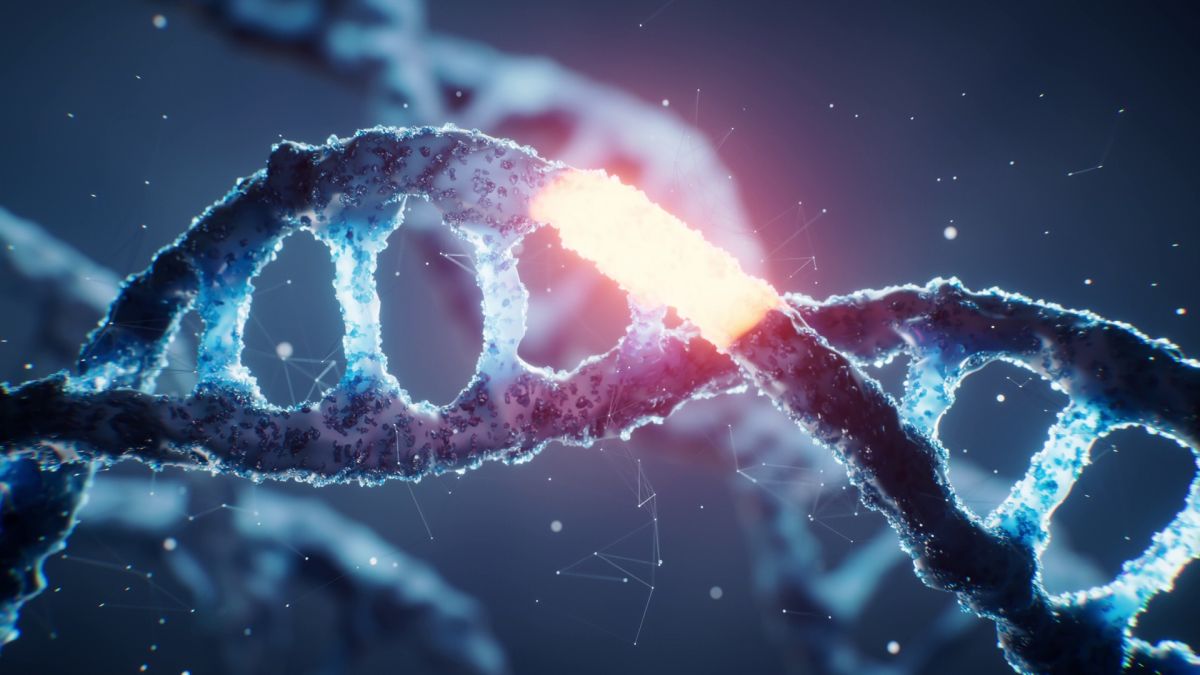
A column in New Scientist discusses the human genetic mutation rate, which some researchers have linked to declines in physical and mental fitness. Columnist Michael Le Page argues that these mutations do not pose the health risks often attributed to them. The piece explores whether such mutations indicate evolutionary changes in human intelligence or capabilities.

NE
1 source·Apr 7, 10:46 PM(28 days ago)·2m read
Human Genetic Mutation Rate and Its Effects on Fitness Examined in New Scientist Columnsciencealert.com
Audio version
Tap play to generate a narrated version.

Humans exhibit a relatively high genetic mutation rate compared to some expectations in evolutionary biology. According to a column by Michael Le Page in New Scientist, this rate has led some scientists to suggest it contributes to reductions in physical and mental fitness over time.

The column examines the implications of these mutations without concluding that they drive humans toward lower intelligence.

The discussion stems from ongoing research into de novo mutations, which occur in individuals and are not inherited from parents. Le Page notes that the human mutation rate is higher than in some other species, prompting debates about its evolutionary significance. Background on this topic includes studies from the past decade that have quantified mutation rates through genomic sequencing.

Some analyses have proposed that accumulating mutations could lead to a gradual decline in human fitness, a concept known as mutational meltdown.

However, Le Page's column reviews evidence indicating that many of these mutations are neutral or have minimal effects on health. This perspective challenges earlier concerns that portrayed the mutation rate as a substantial threat to population-level capabilities.

The stakes involve understanding human evolution in modern environments, where medical advances and longer lifespans may influence mutation accumulation.

Affected groups include geneticists, evolutionary biologists, and public health researchers who study hereditary conditions. The column highlights that while mutations can cause rare disorders, they do not broadly indicate a trend toward reduced intelligence.

emphasizes that the perceived risks of these mutations may be overstated, based on reviews of genetic data.
Next steps could include further genomic studies to track mutation impacts across generations. Broader context includes how environmental factors, such as radiation exposure, might influence mutation rates, though the column focuses on inherent biological processes. The piece contributes to discussions on whether humans are undergoing evolutionary changes that affect cognitive or physical traits.

It underscores the need for precise data in assessing mutation effects, avoiding assumptions about long-term declines. Researchers continue to monitor these patterns through large-scale sequencing projects.

Key Facts

High mutation rate
observed in humans relative to some species
De novo mutations
occur in individuals, not inherited from parents
Neutral effects
many mutations have minimal health impacts
Michael Le Page
New Scientist columnist assessing mutation risks

Story Timeline

2 events
  1. Recent publication

    Michael Le Page publishes column in New Scientist examining human mutation rates and fitness.

    1 source@NewScientist
  2. Past decade

    Studies quantify human genetic mutation rates through genomic sequencing.

    1 source@NewScientist

Potential Impact

  1. 01

    Researchers may adjust studies on mutation effects based on the column's evidence review.

  2. 02

    Genomic projects might prioritize tracking neutral mutations in future sequencing efforts.

  3. 03

    Public understanding of evolutionary biology could shift away from alarmist views on intelligence.

Transparency Panel

Sources cross-referenced1
Confidence score70%
Synthesized bySubstrate AI
Word count342 words
PublishedApr 7, 2026, 10:46 PM
Bias signals removed4 across 2 outlets
Signal Breakdown
Loaded 1Framing 1Amplifying 1Editorializing 1

Related Stories

NASA Releases Thousands of Photos from Artemis II Lunar MissionNASA / Harrison H. Schmitt / Wikimedia (Public domain)
science3 hrs ago

NASA Releases Thousands of Photos from Artemis II Lunar Mission

NASA has released over 12,000 images from the Artemis II mission, which orbited the moon in April 2026. The photos capture views of Earth, the lunar surface, and a solar eclipse observed during the crew's return. Astronauts from the mission also visited the United Nations headqua…

Nbc News
UN
The Atlantic
Benzinga
Business Insider
5 sources
Houtman Abrolhos Corals Show High Resilience to 2025 Heatwave, Unlike Global Lossesnewscientist.com
science5 hrs agoDeveloping

Houtman Abrolhos Corals Show High Resilience to 2025 Heatwave, Unlike Global Losses

Coral reefs at the Houtman Abrolhos Islands off Western Australia endured a prolonged heatwave in early 2025 virtually unscathed, unlike widespread global die-offs. Researchers found exceptional heat tolerance across multiple species, with lab tests showing survival rates far exc…

New Scientist
1 source
Three Die in Hantavirus Cases on MV Hondius Cruise Shipdeccanchronicle.com
science13 hrs agoFraming55Framing risk55/100Rewrite largely sticks to facts but inherits mild consensus framing around human-to-human transmission risk and repeatedly centers WHO spokespeople for reassurance.Click to jump to full framing analysis

Three Die in Hantavirus Cases on MV Hondius Cruise Ship

A hantavirus outbreak on the MV Hondius cruise ship has killed three passengers and sickened seven others, prompting an international response coordinated by the World Health Organization. The ship, carrying 147 people from 23 nationalities, is set to sail to Spain's Canary Islan…

Stat
Cbs News
2 sources