Substrate
world

Hungarian Parliamentary Elections Scheduled for Sunday Amid Political Tensions

Hungary's parliamentary elections are set for Sunday, with Péter Magyar challenging incumbent Prime Minister Viktor Orbán. The outcome could influence the country's political direction. Analysts Bálint Madlovics and Bálint Magyar have highlighted the significance of the vote in a recent Foreign Affairs article.

FO
1 source·Apr 9, 5:21 PM(49 days ago)·2m read
Hungarian Parliamentary Elections Scheduled for Sunday Amid Political Tensionscrooksandliars.com
Audio version
Tap play to generate a narrated version.

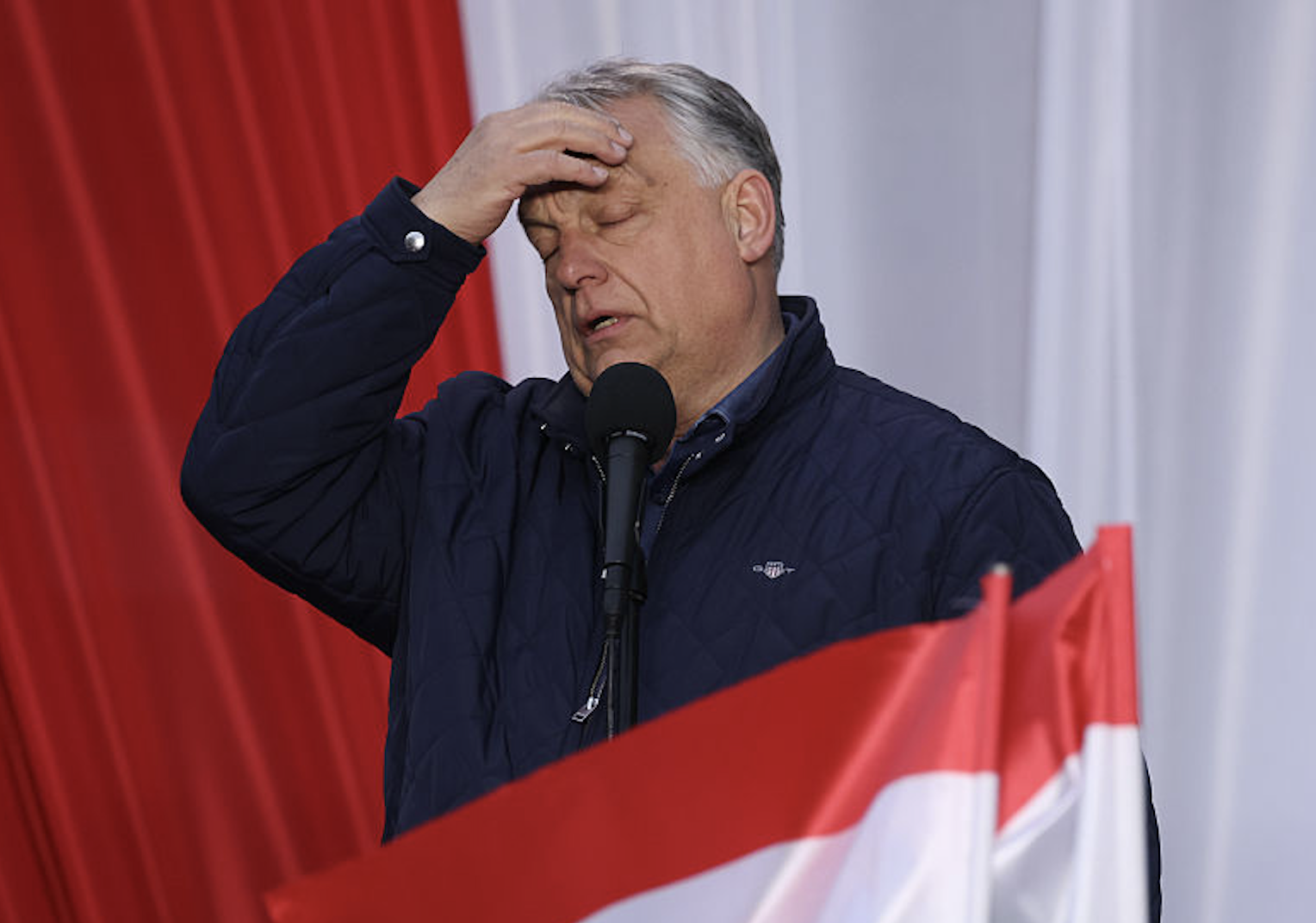
Hungary's parliamentary elections are scheduled for Sunday, drawing attention from domestic and international observers. The vote pits opposition leader Péter Magyar against Prime Minister Viktor Orbán, who has led the country since 2010. The elections come amid ongoing debates over governance and democratic processes in the European Union member state.

Bálint Madlovics and Bálint Magyar, contributors to Foreign Affairs, discussed the elections in an article published ahead of the vote. They noted that the results could shape Hungary's political landscape. The authors emphasized the role of key figures in determining the path forward.

Magyar represents the opposition Tisza Party, which has gained support in recent polls.

Viktor Orbán's Fidesz party has held power for over a decade, implementing policies on media, judiciary, and foreign relations that have sparked EU scrutiny. The elections will determine the composition of Hungary's 199-seat parliament. The stakes involve Hungary's alignment with EU standards on rule of law and democratic norms.

A change in government could affect ongoing EU funding disputes, which have withheld billions in aid due to concerns over judicial independence. Voters, numbering around 8 million eligible citizens, will cast ballots at polling stations nationwide.

the opposition secures a majority, it could lead to reforms in electoral and media laws.

According to Madlovics and Magyar, a victory for Magyar would require Orbán to accept the results for any transition to occur. The process would involve forming a new coalition government within constitutional timelines. Post-election, Hungary faces decisions on economic policies and international alliances, including NATO commitments.

The EU monitors the vote for fairness, with reports from observers like the OSCE expected shortly after polls close. Results are anticipated by Monday, potentially triggering negotiations or legal challenges. The elections occur against a backdrop of economic pressures, including inflation and energy costs, affecting households and businesses across the country.


Rural and urban voters may prioritize different issues, from migration to economic recovery. International media coverage underscores Hungary's role in Central European politics.

Key Facts

Sunday elections
Hungary's parliamentary vote featuring Magyar vs. Orbán
Péter Magyar
Opposition leader challenging incumbent prime minister
Viktor Orbán
Prime minister since 2010 leading Fidesz party
Bálint Madlovics and Bálint Magyar
Authors analyzing election outcomes in Foreign Affairs

Story Timeline

2 events
  1. Sunday

    Parliamentary elections occur between Péter Magyar and Viktor Orbán.

    1 source@ForeignAffairs
  2. Recent publication

    Bálint Madlovics and Bálint Magyar publish analysis in Foreign Affairs on election significance.

    1 source@ForeignAffairs

Potential Impact

  1. 01

    Potential shift in Hungary's EU relations if opposition wins majority.

  2. 02

    Influence on EU funding decisions based on post-election government formation.

  3. 03

    Possible reforms to media and judicial systems following election results.

Transparency Panel

Sources cross-referenced1
Confidence score70%
Synthesized bySubstrate AI
Word count338 words
PublishedApr 9, 2026, 5:21 PM
Bias signals removed4 across 2 outlets
Signal Breakdown
Loaded 1Editorializing 1Framing 1Speculative 1

Related Stories

WHO Chief Visits DRC as Ebola Death Rate Reaches 30-50%The Guardian
world39 min ago

WHO Chief Visits DRC as Ebola Death Rate Reaches 30-50%

World Health Organization director-general Tedros Adhanom Ghebreyesus arrived in the Democratic Republic of the Congo to support containment of a new Ebola outbreak. The agency revised the death rate to 30-50% based on confirmed cases and recorded 10 confirmed and 223 suspected d…

SK
The Guardian
2 sources
Greek National Charged in UK With Aiding Iran-Linked Intelligence Servicewesternjournal.com
world39 min ago

Greek National Charged in UK With Aiding Iran-Linked Intelligence Service

A 46-year-old Greek man living in Germany was charged under the UK National Security Act with assisting an intelligence service believed to be Iran by targeting a journalist at Iran International.

Reuters
BBC News
2 sources
Supreme Court Revives Havana Docks Lawsuit Over Confiscated Cuban Propertyupi.com
world2 hrs ago

Supreme Court Revives Havana Docks Lawsuit Over Confiscated Cuban Property

The U.S. Supreme Court sent a Helms-Burton Act case back to lower courts for further argument. The suit seeks damages from cruise lines that used docks seized by Cuba in 1959.

FO
1 source