world
Hyundai Glovis Deploys Glovis Leader, Largest Vehicle Carrier with 10,800 Capacity
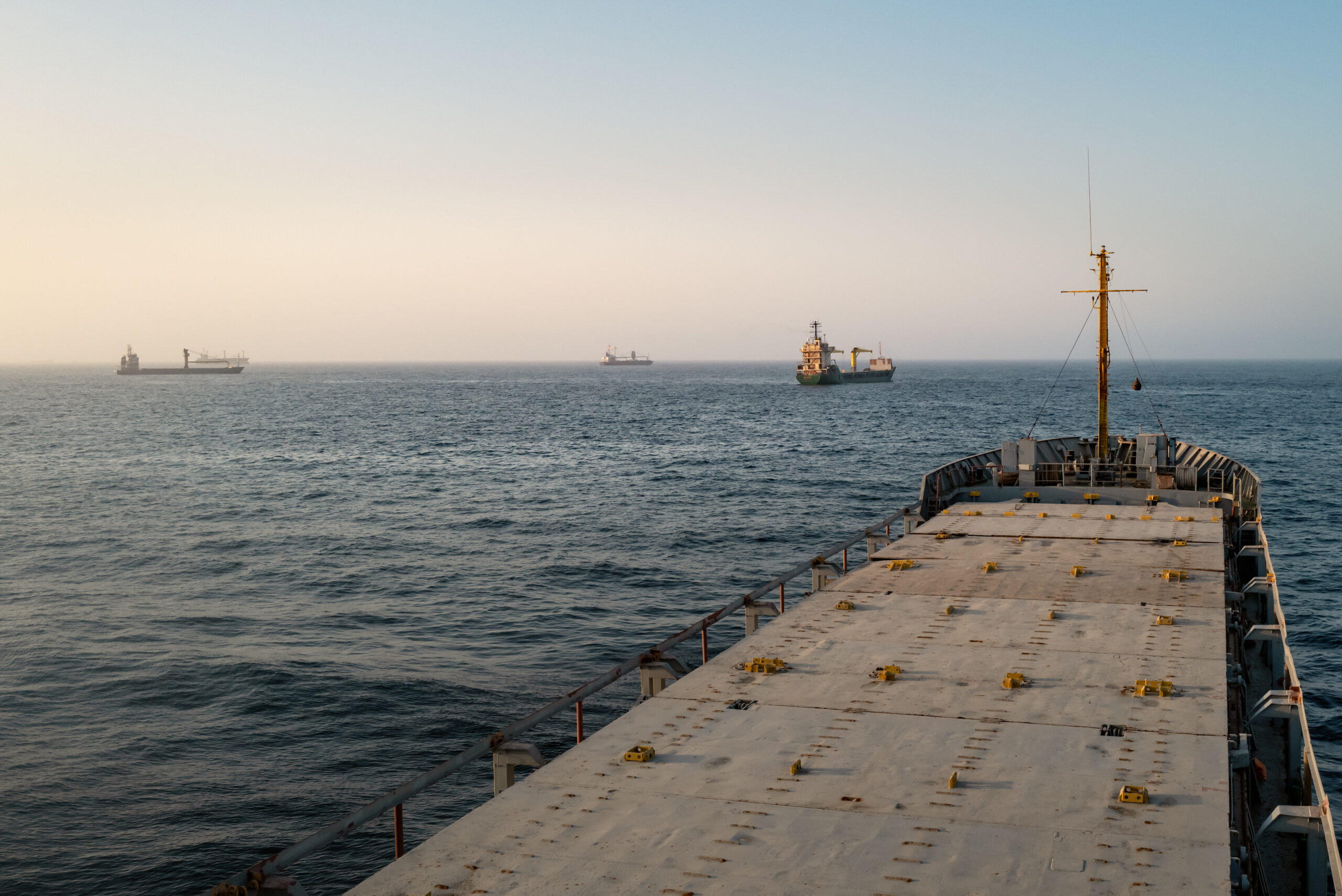
Hyundai Glovis Co. has launched the Glovis Leader, a pure car and truck carrier capable of transporting up to 10,800 vehicles. The vessel measures 230 meters long and 40 meters wide, with features for environmental compliance. The company plans fleet expansion to 128 vessels by 2030.
Apr 29, 3:38 AM·1m read1 source
 koreaherald.com
Audio version
Tap play to generate a narrated version.
Developing·Limited corroboration so far. This page will refresh as more sources emerge.
Hyundai Glovis Co. deployed the Glovis Leader vehicle carrier on April 29, 2026, marking the introduction of the world's largest such vessel capable of transporting up to 10,800 vehicles. The Glovis Leader, a pure car and truck carrier (PCTC), measures 230 meters in length and 40 meters in width, with a gross tonnage of 102,590 tons.
Its loading space is equivalent to about 28 football fields. Hyundai Glovis Co. stated it is the first global car carrier operator to introduce a PCTC with a capacity exceeding 10,000 vehicles. Equipped with a liquefied natural gas (LNG) dual-fuel propulsion engine and an alternative maritime power system, the Glovis Leader enables compliance with global environmental regulations.
These features support efficient operations amid tightening international standards. , the logistics unit of Hyundai Motor Group, plans to expand its PCTC fleet to 128 vessels by 2030. 4 million units to 5 million units.
That future total of 5 million annual vehicle shipments will represent more than 20 percent of global vehicle shipping capacity. kr reported.