ICE Requires Advance Notice to Speak With Detainees During Congressional Visits
Immigration and Customs Enforcement has implemented a policy requiring members of Congress to identify specific detainees by name at least two business days in advance and obtain signed consent forms before speaking with them during facility inspections.
 Los Angeles Times
Immigration and Customs Enforcement now requires members of Congress to identify specific detainees by name at least two business days in advance of visiting an immigration detention facility and to provide a signed consent form from each detainee they wish to speak with.
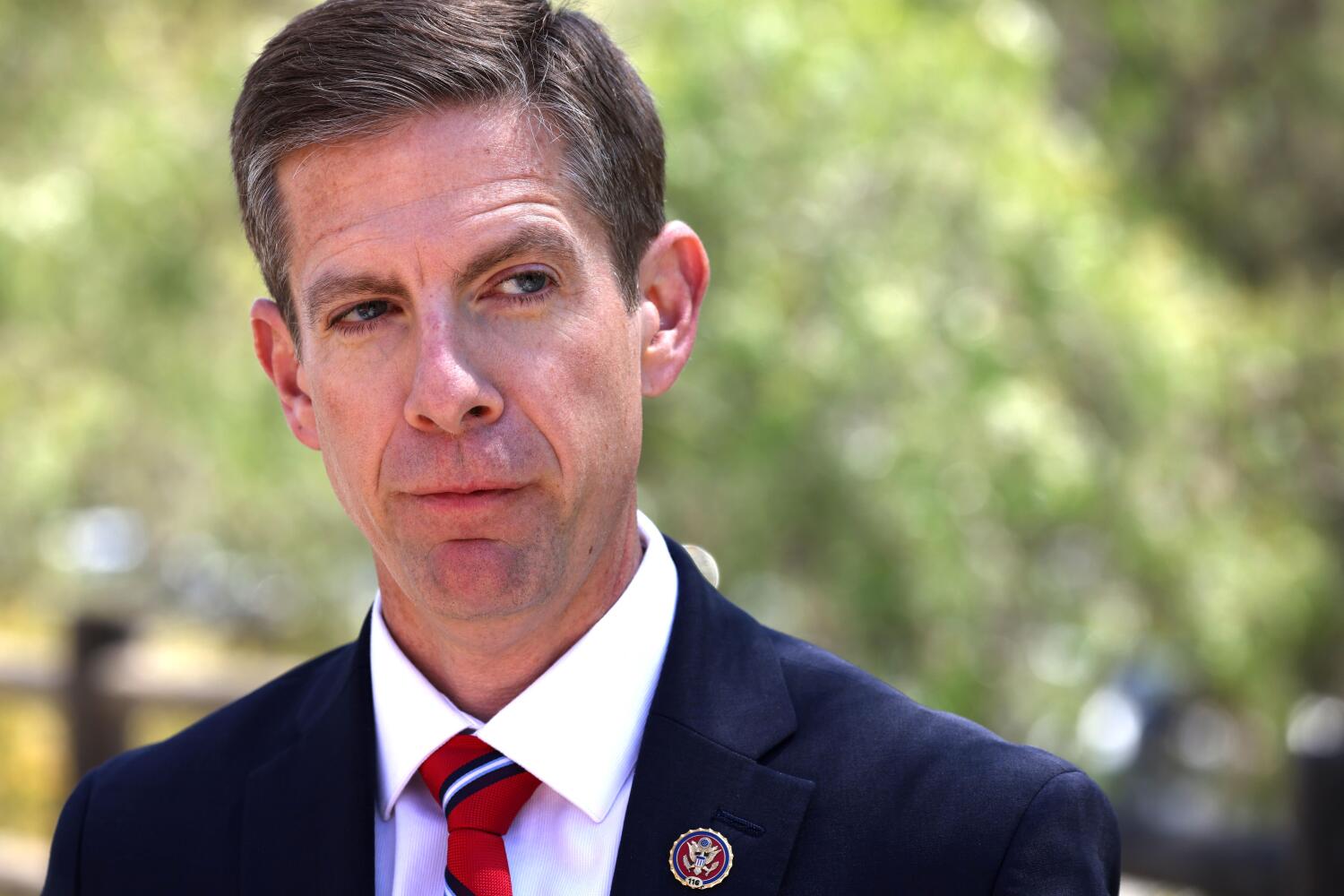
The policy was outlined in a memo dated May 11, 2026, and signed by acting ICE Director Todd Lyons. It was presented to Rep. Mike Levin (D-San Juan Capistrano) and Rep. Sara Jacobs (D-San Diego) when they made an unannounced visit that day to the Otay Mesa Detention Center in San Diego.
ICE allowed the lawmakers to enter the facility but barred them from speaking with detainees without meeting the new requirements. The memo stated that congressional visits and requests to speak with particular categories of detainees pull staff away from law enforcement duties and create an unsustainable burden.
The new rules mark a change from previous practice under which members of Congress could conduct unannounced visits and speak with detainees who volunteered after being informed of the opportunity. Levin said that during prior visits he would ask for detainees who met specific criteria, such as those held in areas that had generated complaints to his office.
Levin said the increased number of congressional visits has become necessary because the Department of Homeland Security has reduced staff at the Office for Civil Rights and Civil Liberties and the Office of the Immigrant Detention Ombudsman. He stated that the volume of visits cited by ICE is a direct result of the reduction in internal oversight mechanisms.
In the memo, Lyons noted that in the 10 fiscal years before 2025, ICE facilitated roughly 45 congressional visits to detention centers each year. As of May 11, 2026, ICE had facilitated about 200 congressional visits since the start of the current fiscal year.
Monday’s visit was Levin’s first to the Otay Mesa facility since a federal judge in February blocked a previous Trump administration policy that had required members of Congress to give seven days’ notice before visiting ICE detention centers. The administration appealed that ruling.
On Friday, an appellate court in Washington denied the administration’s request to restore the seven-day notice policy while the case proceeds. The court said the government had not provided enough evidence that the visits are harmful. The same order noted that the members of Congress have no standing to maintain the lawsuit and that the government is very likely to succeed on the merits of its appeal.
Levin sent the new ICE memo to Rep. ), the main plaintiff in a related lawsuit over oversight visits filed by Democratic House members last July. Lawyers in the case are reviewing the memo’s legality. Four California lawmakers are named plaintiffs in that suit.
The Otay Mesa Detention Center held 1,008 ICE detainees on Monday, including 864 men and 144 women as well as others in U.S. Marshals Service custody. Nearly a third of the detainees were from Mexico, with smaller numbers from Guatemala, China and other countries.
They had been detained an average of 130 days. Levin inspected areas of the facility that did not require speaking to detainees. He reported that the water tasted like regular tap water and that the food, consisting of chili, salad, corn, chips and cake, was acceptable though not noteworthy.
At one point, when Levin asked a detainee using a tablet how the device worked, an employee reminded him of the new policy restricting such interactions. Levin said observation alone is insufficient for effective oversight. “You don’t really know what’s going on without talking to people in a way that’s unplanned,” he stated.
The Department of Homeland Security and ICE did not immediately respond to a request for comment on the new policy.