world
ICEYE plans to double radar-satellite production to 100 units by end of 2027 after U.S. investment
Finnish company ICEYE plans to increase production amid European demand for independent satellite intelligence. It recently raised €450 million in funding and secured contracts from several nations.
 Defense News
Audio version
Tap play to generate a narrated version.
Developing·Limited corroboration so far. This page will refresh as more sources emerge.
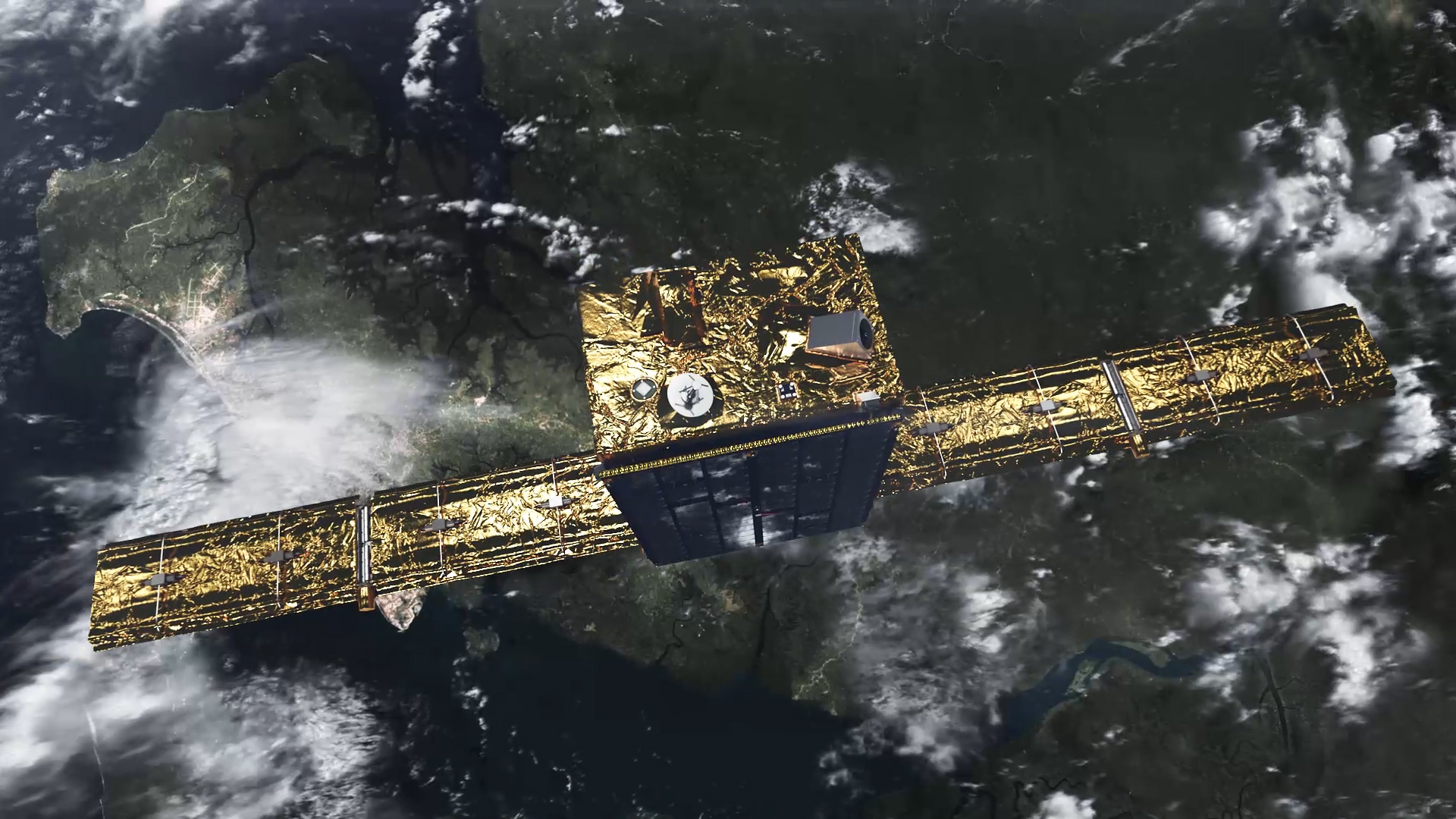
ICEYE expects to double global production to 100 radar satellites by the end of 2027, Defense News reported. The company currently manufactures satellites at a pace of 50 per year and aims to reach two satellites a week. CEO Rafal Modrzewski outlined the targets while speaking at the European Defence & Security Summit in Brussels on Tuesday.
He said future constellations will number in the hundreds of satellites and that the planned manufacturing line for 100 satellites a year remains too small. European governments have increased orders after the U.S. halt of intelligence sharing in March 2025.
Germany placed an order for a 40-satellite constellation in December. Poland, Greece and Portugal each received full systems of five to seven satellites within less than 12 months of signing contracts. ICEYE signed an agreement in May 2025 to supply Poland with three additional SAR satellites and an option for three more.
The company has already delivered a four-satellite system to the Polish Armed Forces. The firm raised €450 million in a Series F round earlier this month, reaching a valuation above €10 billion. The round was led by a U.S.
Investment firm, though the majority of the board remains European. Modrzewski has proposed a 1,000-satellite Constellation Europe system combining observation, awareness and defense functions. ICEYE was founded in 2014 by Modrzewski and Pekka Laurila as a Finnish university spin-off.
Its synthetic aperture radar systems cost ten times less than legacy alternatives.