Substrate
world

Report Identifies Five U.S. Lakes Facing Shrinking Levels and Pollution

A Newsweek article outlines pressures on several major American lakes from drought, water diversion, and nutrient runoff. The report names the Great Salt Lake, Lake Erie, Lake Okeechobee, Lake Mead, and Lake Powell as systems under stress.

Newsweek
1 source·May 24, 2:48 PM(5 days ago)·1m read
Report Identifies Five U.S. Lakes Facing Shrinking Levels and PollutionNewsweek
Audio version
Tap play to generate a narrated version.

U.S. lakes that have experienced reduced water levels or increased pollution in recent years. The article states that climate change, agricultural demand, and urban runoff have contributed to lower inflows and higher concentrations of nitrogen and phosphorus.

Newsweek reported that the Great Salt Lake has lost roughly 73 percent of its water and 60 percent of its surface area since 1850. The loss has raised salinity and exposed lake-bed dust containing heavy metals. Lake Erie has recorded recurring harmful algal blooms driven by phosphorus from fertilizer runoff, according to the same report.

The blooms have periodically forced beach closures and drinking-water advisories.

Okeechobee has seen large cyanobacteria blooms after heavy rainfall events, Florida Atlantic University research cited in the article found. Brian Lapointe, a research professor at the university, stated that big blooms appeared in the lake and estuaries following extreme rain events.

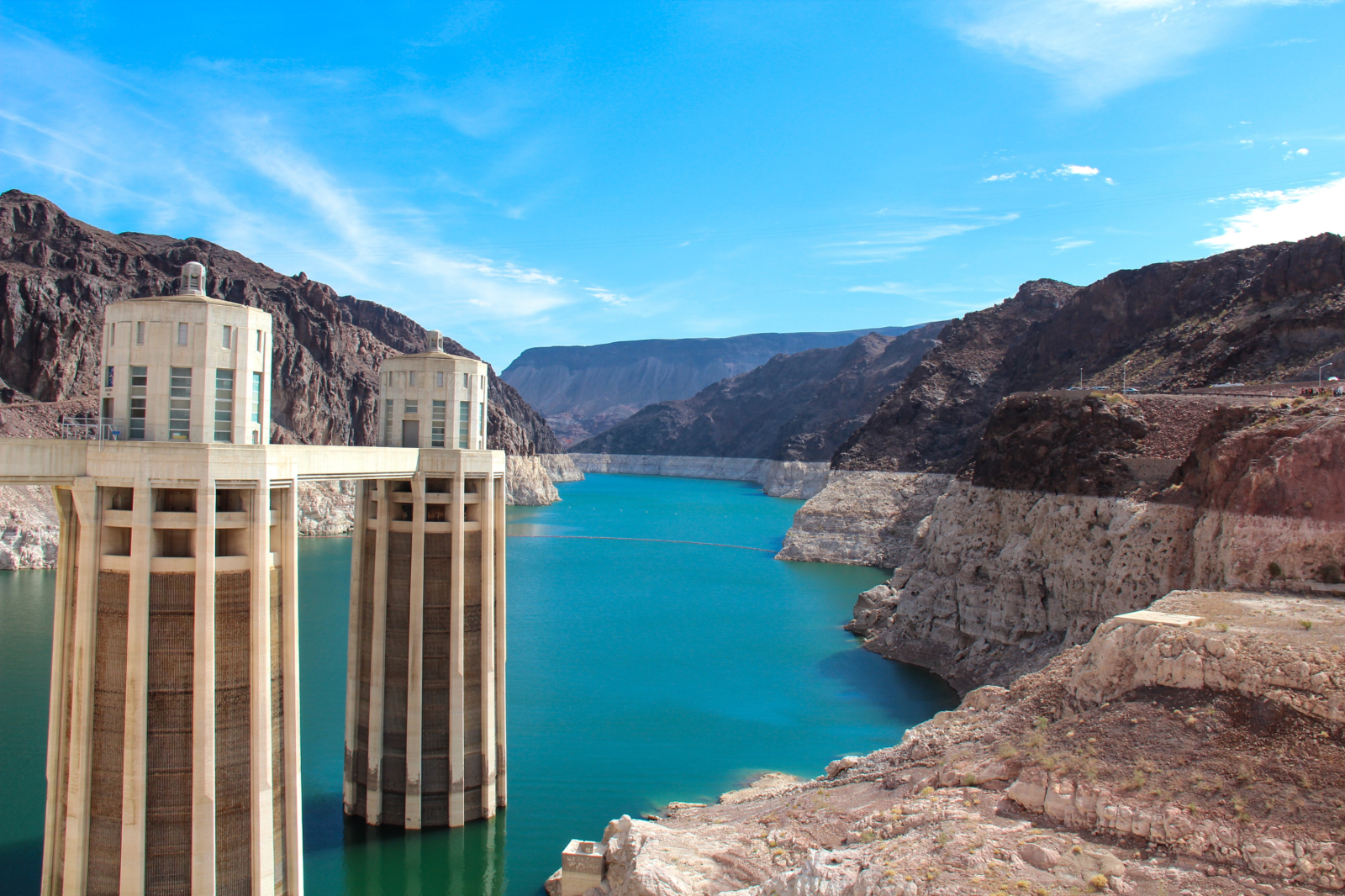
Lake Mead and Lake Powell, the two largest reservoirs on the Colorado River, have faced reduced inflows during drought periods. The Colorado River Basin Forecast Center projected inflows at 13 percent of the 30-year average between April and July this year.

The article lists five measures to address the pressures: reducing agricultural water use, updating water-management policies, limiting fertilizer runoff, restoring wetlands, and lowering greenhouse-gas emissions.


Key Facts

Great Salt Lake volume loss
73 percent since 1850
Lake Mead dependent population
more than 40 million people
Lake Powell inflow projection
13 percent of 30-year average for April-July 2026
Agricultural share of U.S. freshwater withdrawals
nearly half nationwide, over half in Western basins

Story Timeline

3 events
  1. 1850 to present

    Great Salt Lake lost 73 percent of its water volume.

    1 sourceNewsweek
  2. 2024

    Lake Mead water levels rebounded after prior drought years.

    1 sourceNewsweek
  3. April-July 2026

    Colorado River Basin Forecast Center projected inflows at 13 percent of average.

    1 sourceNewsweek

Potential Impact

  1. 01

    Algal blooms in Lake Erie may continue to trigger periodic drinking-water advisories.

  2. 02

    Reduced water levels at Lake Mead and Lake Powell could limit hydropower generation at Hoover Dam.

  3. 03

    Toxic dust from the shrinking Great Salt Lake could reach nearby population centers.

Transparency Panel

Sources cross-referenced1
Confidence score75%
Synthesized bySubstrate AI
Word count228 words
PublishedMay 24, 2026, 2:48 PM
Bias signals removed2 across 1 outlet
Signal Breakdown
Editorializing 1Loaded 1

Related Stories

Journalists in Gaza to Receive 2026 Golden Pen of Freedom Awardstraitstimes.com
world1 hr ago

Journalists in Gaza to Receive 2026 Golden Pen of Freedom Award

Three international news agencies will accept the award on behalf of their local staff still reporting from the territory. The World Association of News Publishers cited the journalists' continued coverage under extreme conditions.

Al-Monitor
AF
2 sources
Supreme Court Revives Havana Docks Lawsuit Over Confiscated Cuban Propertyupi.com
world1 hr ago

Supreme Court Revives Havana Docks Lawsuit Over Confiscated Cuban Property

The U.S. Supreme Court sent a Helms-Burton Act case back to lower courts for further argument. The suit seeks damages from cruise lines that used docks seized by Cuba in 1959.

FO
1 source
Pakistan Population Growth Outpaces Infrastructure as Male Contraception Stays TabooFrance 24
world1 hr agoDeveloping

Pakistan Population Growth Outpaces Infrastructure as Male Contraception Stays Taboo

Pakistan's population exceeds 258 million and could reach 300 million by 2030. Contraception remains largely taboo in a society shaped by traditional values. The country continues to lag behind neighbors India and Bangladesh in key social sectors.

FR
France 24
2 sources