IEA Report Links Iran War to Southeast Asia Energy Import Risks
An International Energy Agency report says the Iran war exposed Southeast Asia's reliance on oil and gas imports through the Strait of Hormuz. The agency projects the region's energy import bill could triple to $245 billion by 2035 without faster diversification.
 winnipegfreepress.com
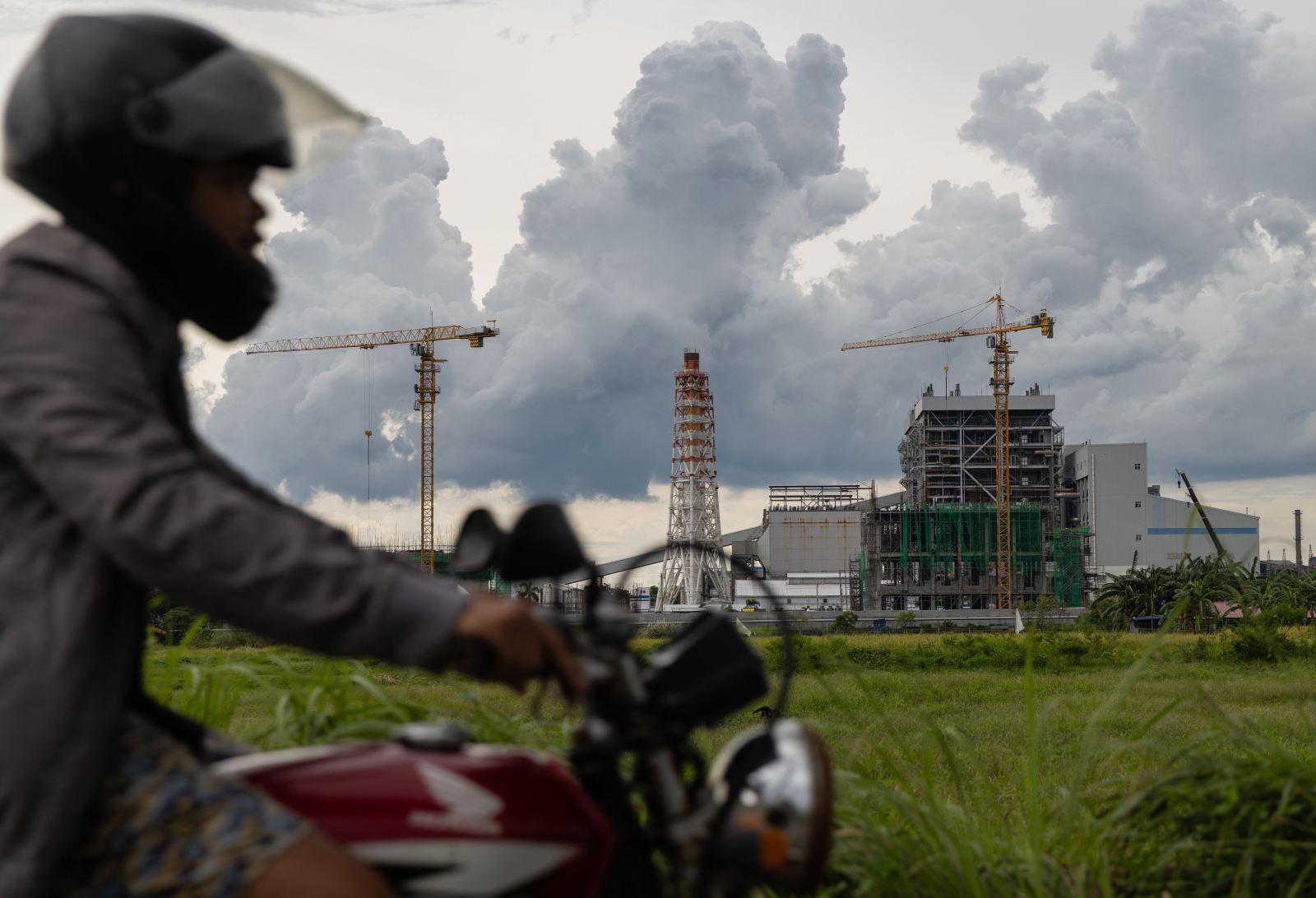
An International Energy Agency report released Tuesday states that the Iran war exposed major risks for Southeast Asia's energy sector due to its dependence on oil and gas imports through the Strait of Hormuz. The report says the conflict created an energy shock that raised bills and inflation across the region. It adds that the situation reinforced reliance on coal during supply disruptions.
The agency projects Southeast Asia's energy import bill could reach $245 billion by 2035, up from $80 billion in 2024, if the region does not diversify supply sources more quickly. Rising electric vehicle sales, interest in nuclear power, and growth in rooftop solar installations show some movement toward alternatives, the report states.
In the Philippines, which declared a national energy emergency, consumers increased rooftop solar purchases at record rates. The country became the second-largest destination for Chinese solar exports in the first quarter of 2026, with imports roughly three times higher than the same period last year.
Electric vehicle sales in Southeast Asia more than doubled in 2025 to around 500,000 units, and one in five cars sold regionally is now electric, according to the report. Laos banned imports of fuel-powered vehicles for the rest of 2026 to reduce oil dependence.
The report says reducing overall demand for imported fossil fuels through more efficient national grids and expanded investment in solar, wind, hydro, and geothermal power remains necessary to address the vulnerabilities.