finance
IEA reports oil inventories fell as diesel and fertilizer costs rose
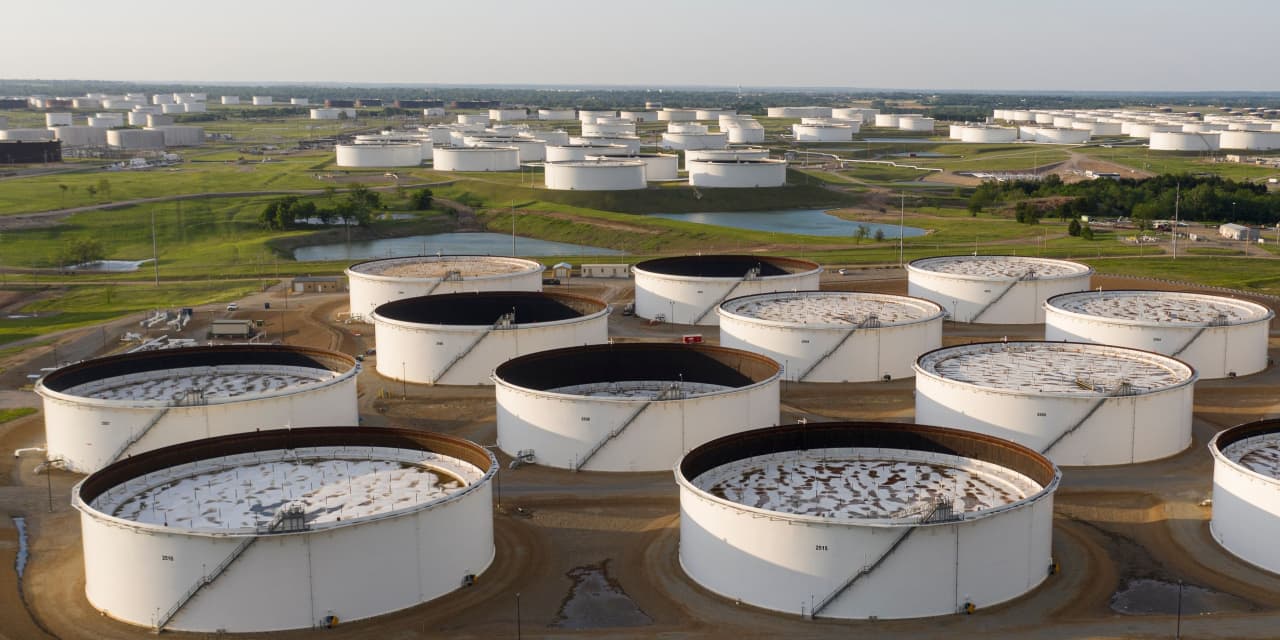
The International Energy Agency reported that commercial oil inventories are falling rapidly and will continue to decline in the coming weeks. IEA chief Fatih Birol cited potential increases in diesel and fertilizer costs during travel and planting seasons.
May 18, 6:55 AM·1m read1 source
DE
 marketwatch.com
Audio version
Tap play to generate a narrated version.
Developing·Limited corroboration so far. This page will refresh as more sources emerge.
The International Energy Agency warned that commercial oil inventories are dropping rapidly and will keep falling in the coming weeks. IEA chief Fatih Birol made the statement at the G7 finance ministers meeting in Paris. Birol warned that rising diesel and fertilizer costs during the travel and planting season could drive up food prices and push inflation higher.
The agency did not specify the size of the inventory decline or provide a timeline beyond the coming weeks.
Lescure said governments could release strategic oil reserves again if needed. No other officials at the meeting commented on the inventory data or proposed actions. The warning comes as seasonal demand for diesel and fertilizer typically increases in spring and early summer months.
Transparency
How sources framed this
DE
DE
Single source — no framing comparison available.
CorroborationModerate · 1 source