Indonesia Creates State Entity to Control Coal, Palm Oil and Nickel Exports
President Prabowo Subianto announced that a new state-owned enterprise will manage exports of coal, palm oil and iron alloys by September. The entity was registered one day before the announcement and is 99 percent owned by the sovereign wealth fund Danantara.
 rnz.co.nz
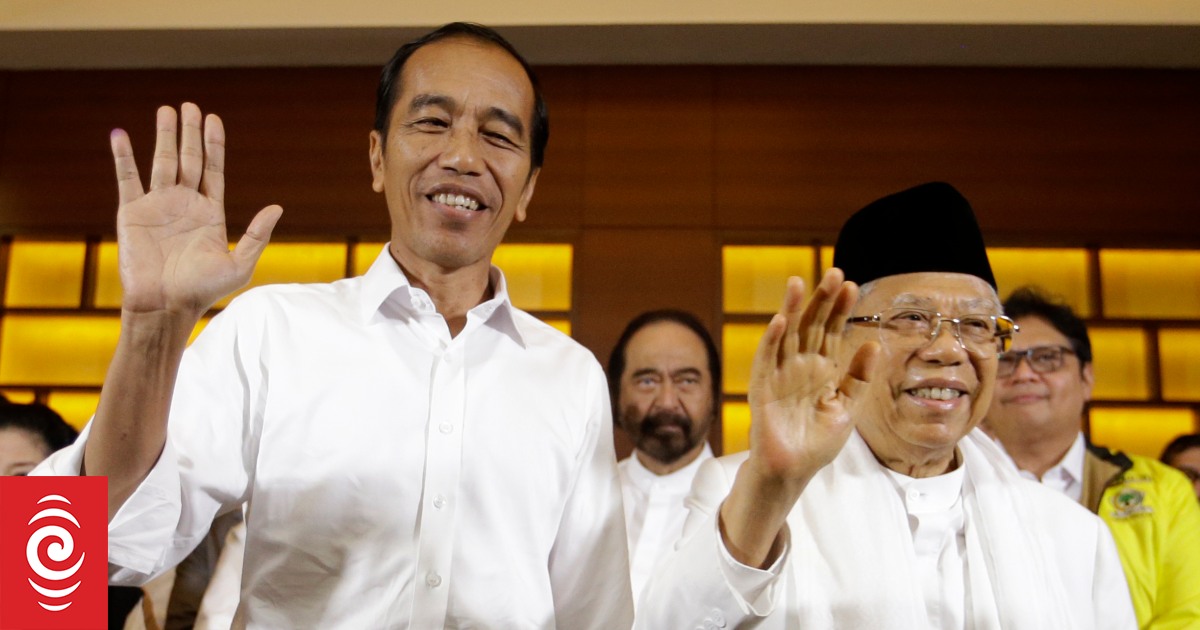
Indonesian President Prabowo Subianto announced a new regulation to parliament on Wednesday that transfers control of the country’s coal, palm oil and iron-alloy exports to a state-owned enterprise by September. The entity, PT Danantara Sumberdaya Indonesia, was registered the day before the announcement.
It is 99 percent owned by Danantara, the sovereign wealth fund launched last year, and will set prices and oversee all export transactions with foreign buyers. Prabowo said the policy aims to increase tax revenue and reduce losses from under-invoicing.
He told lawmakers that Indonesia had lost as much as $908 billion from exporters underreporting sales.
June to August, private companies must transfer their import and export transactions to Danantara. By September the state entity is scheduled to handle all trade with foreign buyers. Airlangga Hartarto, the coordinating economic minister, said an explanation for investors will be provided before June 1, with an initial focus on transparency in reporting.
Yvonne Mewengkang of the Ministry of Foreign Affairs stated that the change represents a governance reform aimed at strengthening credibility in managing strategic commodity trade.
China is Indonesia’s largest trading partner and a major importer of the affected commodities. Chinese firms dominate the nickel industry and have made substantial investments in critical minerals. Lei Xie of Third Generation Environmentalism said China is watching the nationalization initiative and assessing its impact on future cooperation.
Li Shuo of the Asia Society Policy Institute noted that Indonesia supplies commodities that underpin China’s electric-vehicle and battery sectors. S. investment and may lead to revisions of contracts held by Chinese companies. Eddy Martono, chairman of the Indonesian Palm Oil Association, said private exporters are still awaiting details on how the transition will affect established markets and downstream industries.
Key Facts
Story Timeline
5 events- Day before announcement
PT Danantara Sumberdaya Indonesia was officially registered.
1 sourceFortune - Wednesday
President Prabowo Subianto announced the export-control regulation to parliament.
1 sourceFortune - Last week
China Chamber of Commerce in Indonesia sent a five-page protest letter.
1 sourceFortune - June to August
Private companies must transfer transactions to Danantara.
1 sourceFortune - September
State entity scheduled to manage all export transactions.
1 sourceFortune
Potential Impact
- 01
Indonesian government tax revenue from commodity exports could increase.
- 02
Chinese nickel and battery supply chains may face revised contract terms.
- 03
U.S. and European importers may encounter new state-controlled pricing.
- 04
Private palm-oil exporters risk losing established foreign markets.
Transparency Panel
Related Stories
 Financial Times
Romania Expels Russian Consul General After Drone Strike
Romania ordered the expulsion of Russia's Consul General in Constanta and closed the consulate after a drone struck an apartment building in Galati, injuring two people. NATO and Romanian officials condemned the incident as reckless escalation.
 fortune.com
House Republicans stall on immigration enforcement funding bill
A roughly $70 billion measure to fund immigration enforcement through the end of President Donald Trump's term stalled in the House. Progress halted over White House ballroom security funding and a proposed $1.8 billion fund for government-mistreatment claims.
 techjuice.pk
Canada Seeks 50 Percent Rise in Exports to China by 2030
Foreign Minister Anita Anand stated the export target during a visit by her Chinese counterpart to Ottawa. The announcement comes amid U.S. tariffs that have altered trade patterns.