Industrial Exoskeletons Aid Workers in Reducing Physical Strain
Industrial exoskeletons are wearable devices that support workers during physically demanding tasks, helping to reduce muscle strain and fatigue. Fox News reported on three main types: passive, powered, and soft exosuits, with examples like the Hilti EXO-O1 and German Bionic Exia. These technologies are being tested in various industries to improve productivity and worker health.
 Photoblag / Wikimedia (CC BY 4.0)
Industrial exoskeletons are wearable mechanical systems designed to assist workers with physical tasks by sharing the load and reducing strain on muscles. According to Fox News, these devices strap onto the body and help during activities such as overhead work, heavy lifting, and bending.
They do not replace workers but aim to enhance performance by minimizing fatigue, allowing individuals to remain productive for longer periods.
The need for industrial exoskeletons arises from the physical demands of many jobs, where repetitive motions can lead to quick onset of fatigue. For instance, workers in manufacturing, construction, and warehousing often face risks of muscle strain from daily activities.
Fox News highlighted that these devices are increasingly appearing on job sites across the country, addressing concerns about worker safety and efficiency in labor-intensive environments.
Passive exoskeletons rely on springs or mechanical structures without motors or batteries to redistribute weight. The Hilti EXO-O1, for example, is a shoulder harness that shifts arm weight to the hips, with testing showing a reduction in shoulder muscle load by up to 47 percent during overhead work.
Another example is the Laevo FLEX, which supports the lower back during bending and lifting, weighing between 4.4 and 8.8 pounds and allowing for dynamic movement. These systems provide constant support but cannot adapt in real time to different tasks.
Powered exoskeletons use motors, sensors, and processors to actively assist movements, making them suitable for more demanding environments. The German Bionic Exia, a battery-powered device, supports the lower back during lifts in warehouse settings, detecting motions in real time to offer natural assistance.
Fox News noted that these exoskeletons can reduce effort in repetitive tasks but often weigh over 40 pounds and cost tens of thousands of dollars, leading companies to implement them through pilot programs.
Soft exosuits consist of flexible materials like fabric and straps, providing support without rigid frames. The HeroWear Apex 2, weighing about three pounds, wraps around the shoulders and waist to assist with lifting and has been shown in warehouse testing to reduce lower back discomfort.
According to Fox News, these suits allow for more natural movement compared to rigid options but may offer less overall support. They are designed for environments requiring flexibility and have demonstrated improvements in productivity during repetitive tasks.
The adoption of industrial exoskeletons affects workers in industries prone to physical strain, potentially improving health outcomes and operational efficiency. Stakeholders include employees who benefit from reduced fatigue, employers who see gains in productivity, and safety regulators monitoring long-term effects.
Fox News indicated that ongoing testing and pilot programs suggest these technologies could expand, though challenges like cost and weight may influence future implementation.
Looking ahead, the use of industrial exoskeletons may continue to grow as companies evaluate their effectiveness in real-world settings. This could lead to broader integration in various sectors, depending on results from current trials. Fox News reported that while benefits are evident, further research is needed to address limitations and ensure widespread accessibility.
Transparency Panel
Related Stories
 thehindu.com
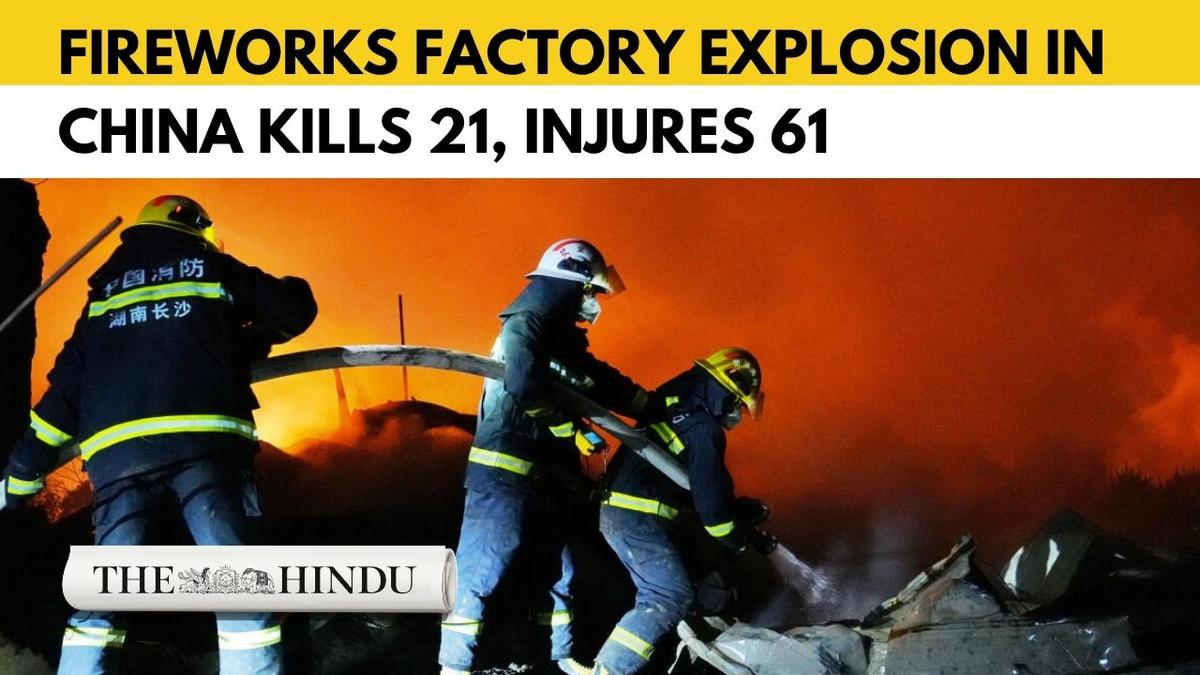
Explosion at China Fireworks Factory Kills 26 and Injures 61 in Hunan Province
An explosion at the Huasheng Fireworks Manufacturing and Display Company in Liuyang city, Hunan province, killed at least 26 people and injured 61 on Monday afternoon. Rescue operations have concluded, with authorities detaining company staff and halting all local fireworks produ…
 citizen.co.za
Middle East War Disrupts Global Supply Chains and Aviation Amid Diplomatic Efforts
The ongoing Middle East war has led to falling oil prices, plastic shortages in Asia, and minor flight cancellations in Hong Kong. Diplomatic talks continue, with China urging a ceasefire and the U.S. pausing ship escorts in the Strait of Hormuz. Various nations are addressing ec…
 indiatoday.intoday.in
Trump Pauses Project Freedom in Strait of Hormuz Amid Progress on Iran Agreement
President Trump announced a temporary pause to Project Freedom, the U.S. effort to escort ships through the Strait of Hormuz, citing mutual agreement with Iran to facilitate finalizing a deal while the blockade remains in place. The decision follows requests from Pakistan and oth…