science
Interior Department Ends Automatic Protections for Threatened Species
The Interior Department canceled a rule that gave automatic protections to species listed as threatened. The change requires individualized plans for each species and adds an economic analysis step before designating critical habitat.
Jul 18, 1:26 PM·1m read1 source
 Los Angeles Times
Audio version
Tap play to generate a narrated version.
Developing·Limited corroboration so far. This page will refresh as more sources emerge.
The Interior Department on Friday ended automatic protections for species added to the threatened list under the Endangered Species Act. Species will now receive protections only after officials complete a separate plan for each listing. Companies may request exemptions during that process for activities such as drilling or mining.
A second rule finalized the same day directs officials to weigh economic effects when deciding whether land qualifies as critical habitat. The change applies to future habitat designations.
The automatic protections rule originated in 1975 for animals and 1977 for plants. Officials reinstated it during the prior administration after earlier changes made in the first Trump term. Groups including the Rocky Mountain Elk Foundation and the Property and Environment Research Center sued in 2024, arguing the rule removed incentives for landowners to aid recovery.
Interior Secretary Doug Burgum stated that the Endangered Species Act had been used to block projects and raise costs. He added that success should be measured by species recovery rather than the number of listings. Noah Greenwald of the Center for Biological Diversity said the changes exempt industries that destroy habitat.
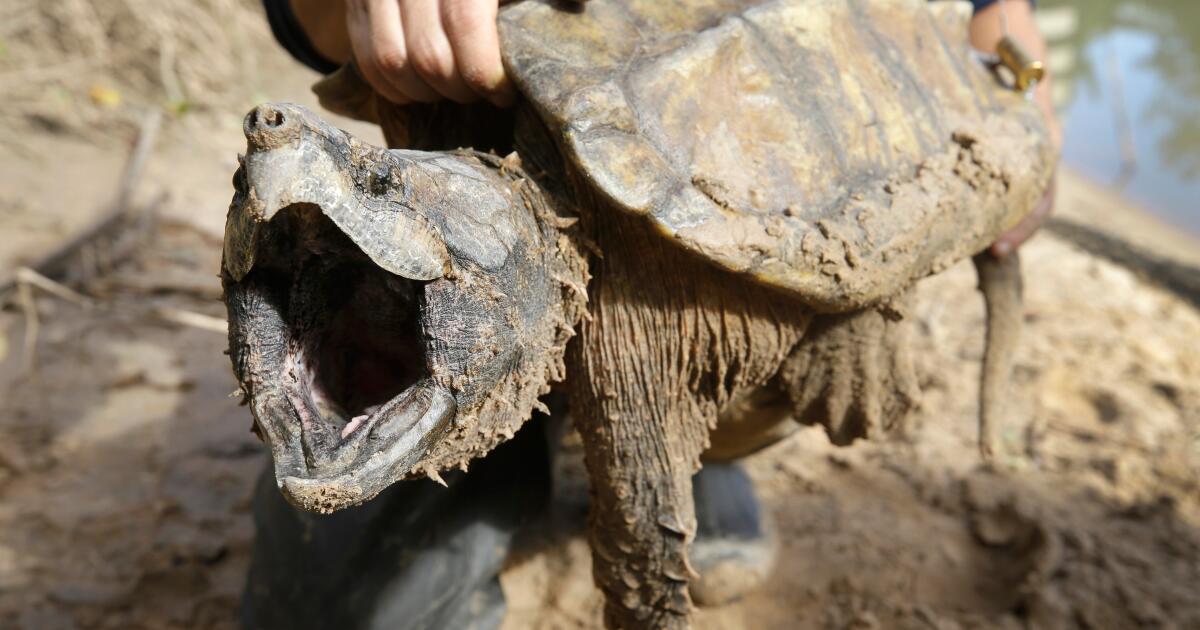
Jonathan Wood of the Property and Environment Research Center said the new approach rewards progress and encourages conservation. No species have been added to the endangered or threatened lists in the current term. About 30 species remain proposed for listing, including monarch butterflies, alligator snapping turtles, California spotted owls, and various fish, clams, and insects.