Unbiased AI-powered news
New rules published May 12 would restrict federal grazing permits to commodity-producing animals. Tribes say the change blocks access for bison herds managed for conservation and cultural purposes.
upi.comThe Interior Department proposed new grazing rules last month that limit Bureau of Land Management leases to production-oriented livestock. The rules were published in the Federal Register on May 12 without prior consultation with tribes, and the comment period ends in mid-July.
The phrase production-oriented livestock first appeared in a proposed order issued in January by Interior Secretary Doug Burgum.
The same language does not appear in the Taylor Grazing Act, the Dust Bowl-era law that governs livestock management on BLM land. On May 8, Interior made final a bison ban on BLM land leased by American Prairie in Montana. The same day, the department repealed the Public Lands Rule that had placed conservation on equal footing with mining, oil drilling and logging.
A 2023 order by Interior Secretary Deb Haaland had directed federal agencies to prioritize Tribally led opportunities to establish new large herds and advance shared stewardship with Tribes on Federal land. The Coalition of Large Tribes represents more than 50 tribes managing 25,000 bison on land that accounts for about 95 percent of Indian Country.
The coalition described the proposed rules as DEI for cows and said the language is code for anything but indigenously managed bison.
Executive director of the coalition and a member of the Rosebud Sioux in South Dakota, said the Interior Department has taken a nearly hundred-year-old law and is changing what the words mean. Semans added that the coalition is hoping a light bulb will go off in their heads and they will agree that they really need to reconsider this terminology or they need to grant an exclusion to the tribes.
Tribes that have treaties with the United States are seeking government-to-government negotiations, though none have been scheduled.
Martin Nie, a professor of public lands and wildlife policy at the University of Montana, said if these rules are finalized as written they will concentrate management of public lands in the hands of the livestock industry. Nie said the proposed rules mark a significant federal retreat from what had been strong affirmative steps to restore bison herds across the Great Plains.
Nie also said the conservation rule had more provisions for tribal input than ever before in the history of the BLM and that it was rescinded without any tribal consultation.
Josh Osher, public policy director of the Western Watersheds Project, said this production-oriented thing is made up from whole cloth. The Interior Department says its proposed grazing policy would give ranchers more flexibility, improve the health of rangelands and support rural communities across the West.
The department’s May 8 announcement on the American Prairie decision assured tribes that the BLM is not adjudicating the rights of any tribal government.
For nearly half a century, BLM grazing permits for indigenous animals had been allowed at the discretion of federal officers working locally. The new regulations include no separate allowance for grazing by indigenous animals. Two California tribes, the Fort Bidwell Indian Community and the Pit River Tribe, are actively seeking BLM grazing leases.
Tribes including the Blackfeet, the Lower Brule Sioux, the Cheyenne River Sioux and the Crow fed thousands of reservation residents by slaughtering bison during the government shutdown last fall. Hunters in the 1800s killed as many as 60 million North American buffalo. There are about half a million bison in the United States now.
middleeasteye.netThe Lebanese environmental activist was injured two weeks earlier at her house on Mansouri beach and died Friday. She had protected sea turtle nesting sites for more than 25 years.
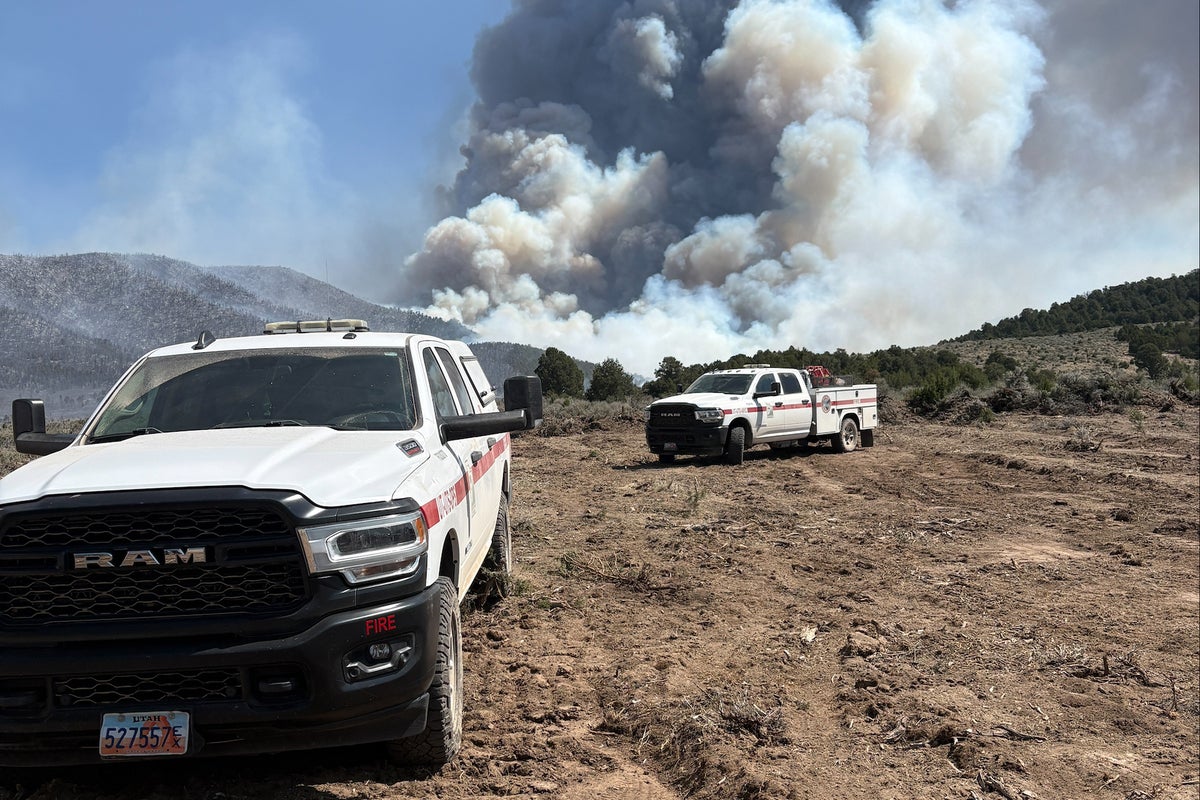
The IndependentExtreme heat, wind and drought conditions fueled multiple wildfires across the western United States on Sunday. An uncontained blaze in Utah prompted the evacuation of a small town southwest of Salt Lake City.
The Japan TimesFrance restricted alcohol sales at festivals and kept parks open overnight as temperatures reached 39-41 °C. Similar alerts covered most of Germany and parts of Italy and Spain.