world
Iran Begins Collecting Navigational Fees in Strait of Hormuz
Iran's foreign ministry announced Monday that it will charge fees for navigational and environmental services in the Strait of Hormuz. Five Gulf states have warned shipping companies not to comply with the new requirements.
May 25, 4:53 AM·2m read2 sources FO
FO
 Euronews
Audio version
Tap play to generate a narrated version.
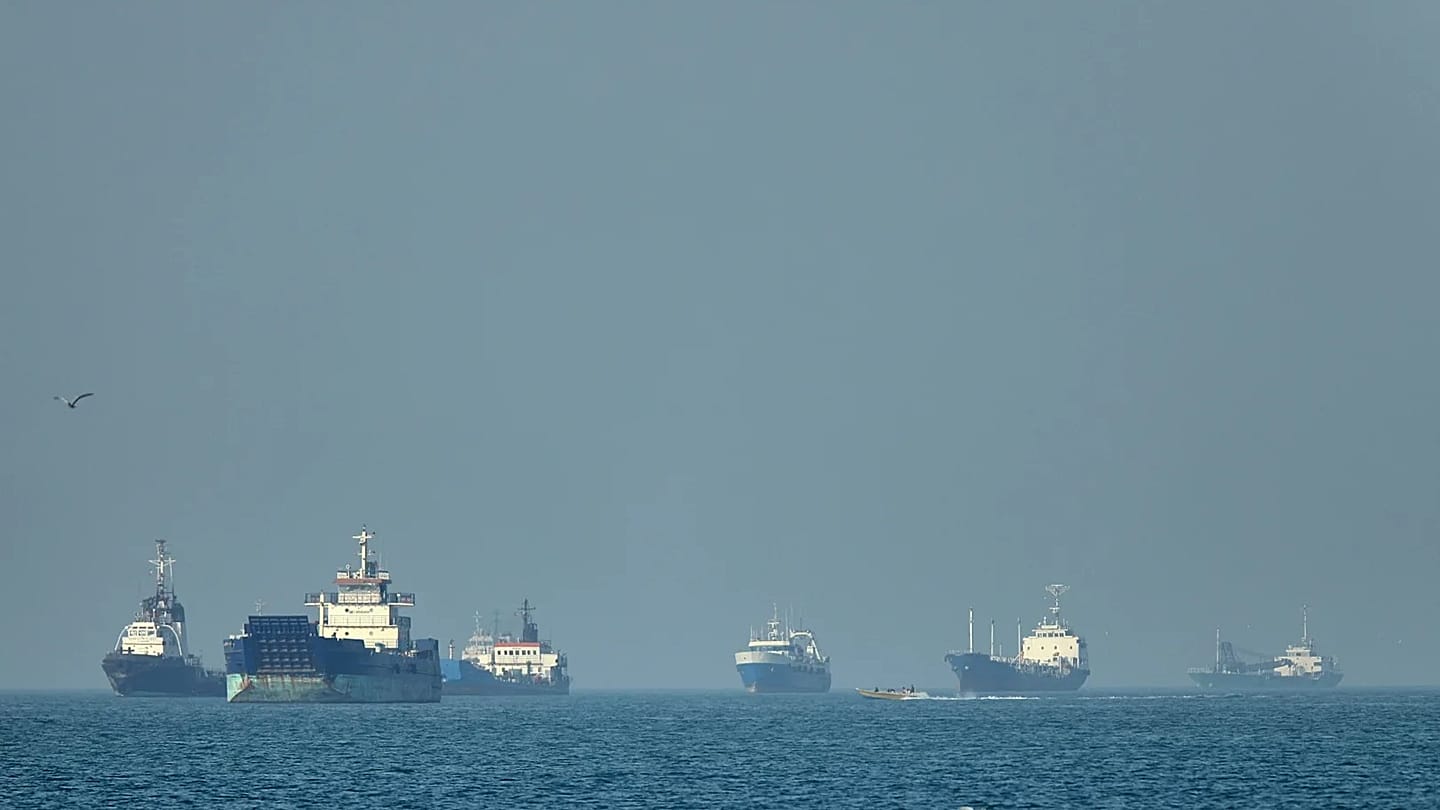
Iran's foreign ministry said Monday that Tehran is collecting fees for navigational services on ships transiting the Strait of Hormuz. Foreign ministry spokesman Esmaeil Baqaei told reporters the fees cover navigational services and environmental protection measures in the Strait of Hormuz, the Persian Gulf and the Sea of Oman. Baqaei stated that Iran is not seeking to collect tolls.
Last week Iran published a map claiming regulatory control over a stretch of the Strait of Hormuz that extends into the territorial waters of the United Arab Emirates and Oman. In a post on X, Iran's Persian Gulf Strait Authority defined its claimed management zone from Kuh-e Mobarak in Iran to the south of Fujairah in the UAE at the eastern entrance, and from the end of Qeshm Island in Iran to Umm al-Quwain in the UAE at the western entrance.
The zone covers waters the UAE and Oman regard as their own sovereign territory. All vessels transiting the defined area are required to obtain prior authorisation from the PGSA. Bahrain, Kuwait, Qatar, Saudi Arabia and the UAE sent a joint letter to the International Maritime Organisation warning commercial and merchant vessels not to engage with the PGSA or transit the waterway using Iran's designated route.
Iran have been locked in a standoff over the Strait of Hormuz, through which a fifth of the world's oil and gas trade passes in peacetime. Iran effectively shuttered the crucial waterway in the early days of the war and in mid-April the US responded by imposing its own blockade on Iranian ports.
The closure has put pressure on the Trump administration, as oil and gasoline prices have skyrocketed ahead of crucial midterm elections, pressuring the US' Gulf allies, which use the waterway to export their oil and gas to the wider world. Last Thursday, the European Commission cut its 2026 growth forecast for the European economy, as the ongoing conflict in the Middle East drives energy prices sharply higher.
4% projected in the Commission's autumn forecast. 9%.