Substrate
politics

Iran Closes Strait of Hormuz

Iran's closure of the Strait of Hormuz has disrupted global oil supplies, leading to higher prices and economic impacts. The United States faces greater vulnerability due to its oil-intensive economy, with gasoline prices rising sharply. Discussions highlight potential solutions like urban mining for critical minerals amid related supply chain risks.

MA
MA
Washington Examiner
Responsible Statecraft
4 sources·May 1, 11:00 AM(28 days ago)·3m read
|
Iran Closes Strait of Hormuzthehindu.com
Audio version
Tap play to generate a narrated version.

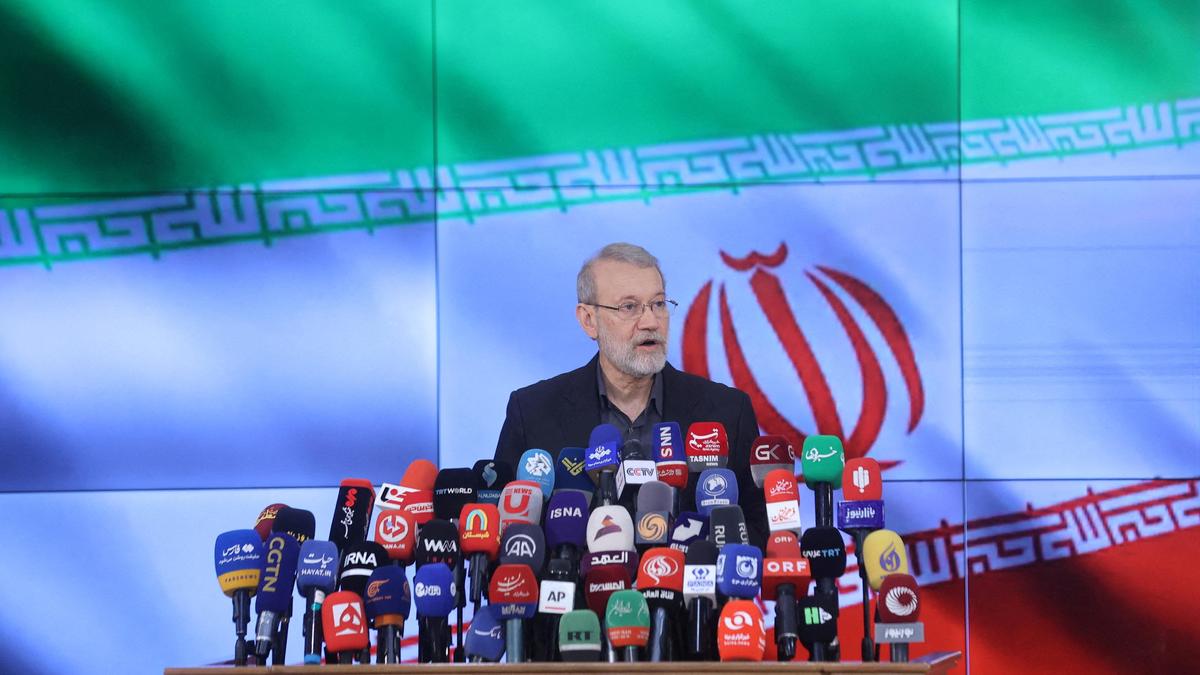
Iran has closed the Strait of Hormuz, removing about 10 million barrels of oil per day from the global market. This disruption affects one-fifth of the world's oil and gas, along with industrial chemicals and refined minerals. The closure stems from ongoing conflict, with Iranian officials reportedly seeking U.S. assistance to reopen the waterway.

The global oil market operates like a interconnected system where supply disruptions raise prices worldwide, regardless of a country's production levels. U.S. oil production does not insulate the economy from these shocks. Empty tankers are diverting U.S. oil to Asia, where prices are higher, contributing to domestic inventory drawdowns.

Economic Impacts on the U.S.

Energy Information Administration data for the week ending April 24 showed a drawdown of 6.2 million barrels from U.S. oil inventories. Average U.S. gasoline prices reached $4.24 per gallon in April, up from $3.77 in March and $3.03 in February. Prices are expected to rise further in May due to delayed effects of the supply reduction.

The U.S. economy consumes more oil per unit of GDP than China, Russia, or the European Union. It uses twice as much oil as the EU, 40% more than China, and 20% more than Russia. This intensity stems from heavy reliance on automobiles and slower adoption of electric vehicles.

High oil prices force U.S. households to cut spending on other goods, potentially leading to recession. recessions followed oil price spikes. Increased transportation costs will also raise prices for necessities like food and clothing.

" This display comes from an anti-regime outlet. Iranian officials are reportedly urging Washington to reopen the strait. Beijing has tightened controls on rare earths, exacerbating supply chain vulnerabilities. China processes most of the world's refined copper, gallium, germanium, and rare earth magnets.
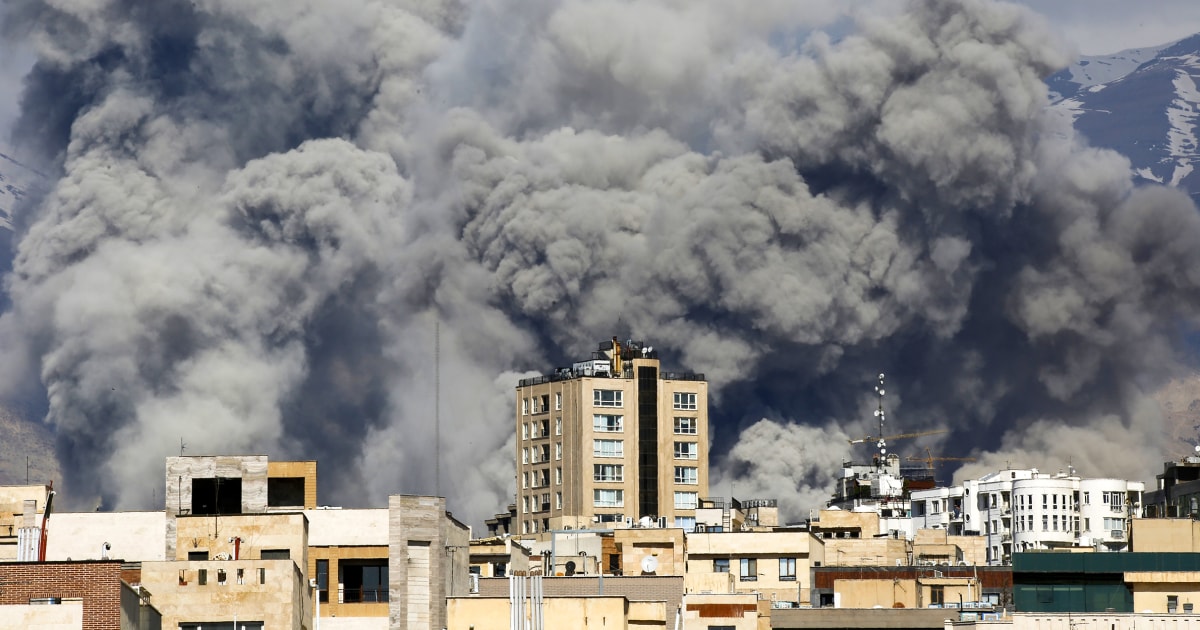
The Hormuz closure affects shipments of these materials, impacting U.S. advanced manufacturing. Amazon CEO Jeff Bezos is raising $100 billion through Project Prometheus to acquire U.S. manufacturers dependent on these inputs. Every factory involved needs copper, palladium, and rare earths, many of which are refined in China and shipped through the affected chokepoint.

The U.S. generates 7 to 8 million metric tons of electronic waste annually, containing an estimated $10.6 billion in recoverable copper, gold, palladium, and rare earth elements. Most of this waste is landfilled or exported for processing through vulnerable routes.

Commercial technologies like hydrometallurgical and biosorption methods can extract these materials domestically without traditional smelting emissions. A modular facility costs about $40 million and can operate in 15 months, independent of ocean lanes or foreign export controls.

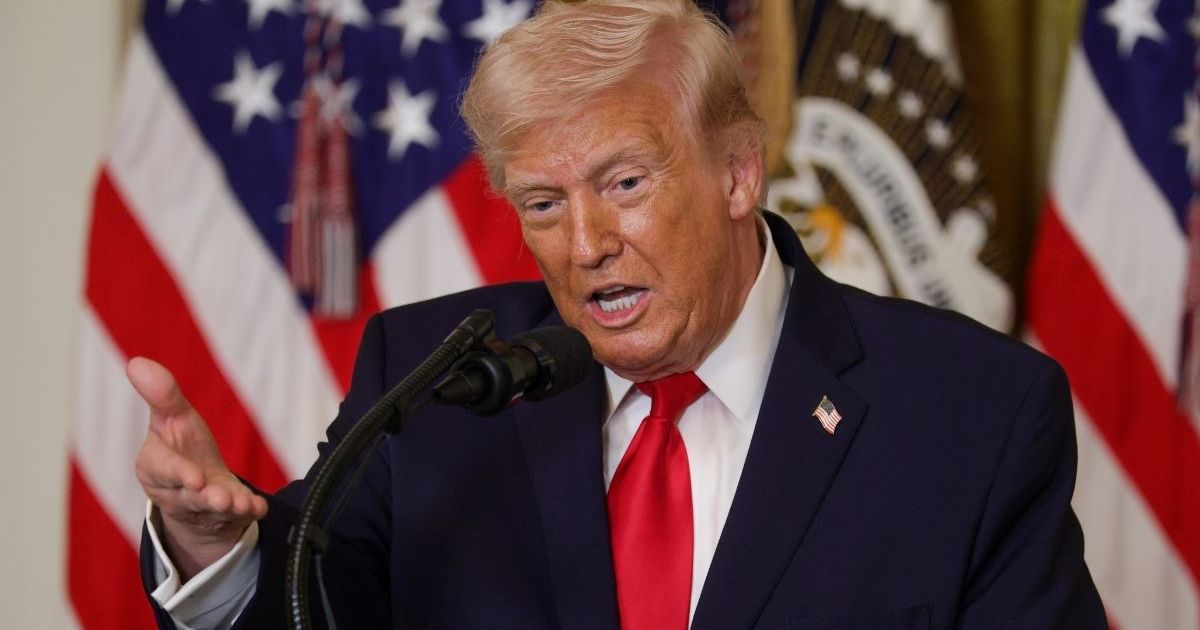
In a partnership, Mint Innovation recovered copper from discarded circuit boards and used it to manufacture new products, certified as a closed-loop process. The Trump administration has supported such initiatives through the fiscal 2026 NDAA, adding recycled-material exceptions to critical minerals sourcing rules.

The U.S. economy burns more oil to produce each unit of economic output than peer countries do." — Responsible Statecraft The Securing America’s Critical Minerals Supply Act directs the Department of Energy to address processing gaps. Project Vault, a $12 billion strategic stockpile, assumes domestic supply availability. Building domestic refineries could close the gap exposed by the Hormuz closure. A strategist predicted that President Trump and Xi will eventually reopen the Strait of Hormuz, leading to a lower U.S. dollar value. Asia experienced the initial impacts due to proximity, but effects are spreading to the Western Hemisphere. Reopening the strait is seen as essential to mitigate ongoing economic damage.

Key Facts

10 million barrels
of oil per day removed by Hormuz closure
$4.24 per gallon
U.S. average gasoline price in April
$100 billion
raised by Jeff Bezos for Project Prometheus
7-8 million metric tons
of U.S. electronic waste annually
$10.6 billion
in recoverable materials from e-waste yearly

Story Timeline

5 events
  1. Apr 24, 2026

    Energy Information Administration reported a 6.2 million barrel drawdown from U.S. oil inventories.

    1 sourceResponsible Statecraft
  2. Apr 11, 2026

    President Trump posted on Truth Social about tankers loading U.S. oil.

    1 sourceResponsible Statecraft
  3. April 2026

    U.S. gasoline prices averaged $4.24 per gallon, up from prior months.

    1 sourceResponsible Statecraft
  4. Recent days

    Iran erected a billboard in Tehran depicting President Trump with the Strait of Hormuz sealing his mouth.

    1 source@MarioNawfal
  5. Ongoing

    Iran closed the Strait of Hormuz, removing 10 million barrels of oil per day from global supply.

    3 sourcesResponsible Statecraft · Washington Examiner · MarketWatch

Potential Impact

  1. 01

    U.S. households will reduce spending on non-essential goods due to higher fuel costs.

  2. 02

    Global oil prices will remain elevated until the Strait of Hormuz reopens.

  3. 03

    U.S. inflation will increase from higher transportation costs for goods.

  4. 04

    Advanced manufacturing in the U.S. will face delays from rare earth shortages.

  5. 05

    Domestic urban mining initiatives will expand to secure critical minerals supply.

  6. 06

    Negotiations between the U.S. and Iran will intensify to reopen the strait.

Transparency Panel

Sources cross-referenced4
Framing risk65/100 (moderate)
Confidence score97%
Synthesized bySubstrate AI
Word count605 words
PublishedMay 1, 2026, 11:00 AM
Bias signals removed3 across 3 outlets
Signal Breakdown
Loaded 2Amplifying 1

Related Stories

Trump Meets Advisers to Decide on Iran Ceasefire ExtensionAl Jazeera
politics13 min ago

Trump Meets Advisers to Decide on Iran Ceasefire Extension

President Trump said he is holding a Situation Room meeting to make a final decision on a possible deal with Iran. The proposed agreement would extend the ceasefire by 60 days and reopen the Strait of Hormuz.

Al Jazeera
JA
MA
AF
AJ
+6
11 sources
Russian Drone Strikes Romanian Apartment Building, Injuring TwoFrance 24
politics2 hrs agoUpdated

Russian Drone Strikes Romanian Apartment Building, Injuring Two

A Russian drone crashed into a residential building in eastern Romania during an overnight attack on Ukraine. Two people were injured and Romania requested faster NATO anti-drone support.

AB
Cbs News
SK
The Hill
France 24
+8
14 sources
Trump Says U.S. Will Lift Iran Naval Blockade After Nuclear and Hormuz Pledgesrealitytea.com
politics2 hrs agoDeveloping

Trump Says U.S. Will Lift Iran Naval Blockade After Nuclear and Hormuz Pledges

President Trump stated the U.S. will end its naval blockade of Iran once Tehran commits to forgoing nuclear weapons and opens the Strait of Hormuz to unrestricted shipping. The announcement came via Truth Social and a live statement.

FI
LI
MA
3 sources