Iran Conflict Increases Natural Gas, Fertilizer, Food Prices
The ongoing Iran war has severed vital export routes and spiked natural gas prices, squeezing fertilizer affordability to a four-year low and threatening international food security. European ministers urge intervention to protect 2026 grain harvests, while Asia and the Global South face acute shortages from Strait of Hormuz disruptions.
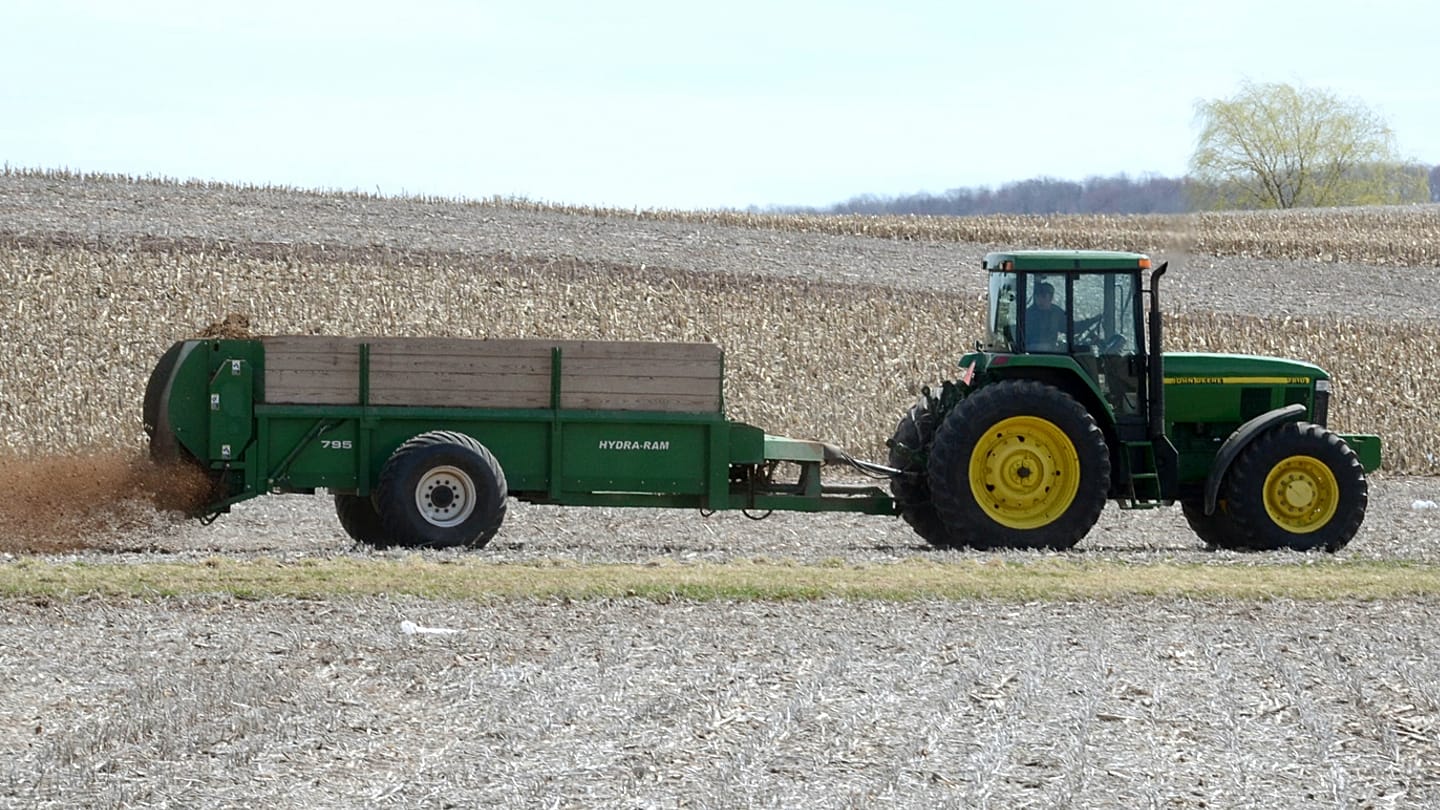
EuronewsThe Iran war is threatening international food security as production costs jump and vital export routes are severed. A supply squeeze on fertilizer has caused farmers' affordability to reach a four-year low, according to a World Bank report. The surge in fertilizer costs is primarily driven by a spike in natural gas prices.
European agriculture ministers are calling for urgent intervention to prevent a prolonged food price crisis and to safeguard grain harvests for the 2026 season. Natural gas serves as the primary feedstock for nitrogen-based fertilisers, translating energy market volatility directly into higher costs for farmers.
The World Bank's latest assessment highlights that the surge in fuel and power prices, compounded by the halt of regional exports, is creating an unsustainable environment for global producers.
EU nitrogen fertiliser production is primarily based on natural gas, and the spike in natural gas costs will have an impact on fertilizer production costs, according to Fertilisers Europe. "Fertilisers are energy, so when energy costs rise, automatically fertiliser costs rise," a spokesperson for Fertilisers Europe stated. Europe is not currently facing a fertiliser supply issue.
"Europe is not facing a supply issue for the current season given the relatively high output of European production which satisfies around 70% of European demand as well as record high import levels in Q4 2025," the spokesperson for Fertilisers Europe said.
"However, farmers are operating in a complex environment and facing tight margins. " An official at CropLife Europe emphasized the need for resilience in the face of global shocks.
"Food security depends on resilience which means ensuring farmers have timely access to all the tools they need to protect crops and manage risk, even in periods of volatility," the official stated. European farmers already face significant economic and regulatory pressure, with the current crisis adding to those challenges.
A severe and accelerating fertilizer crisis is hitting Asia and the Global South, with significant shortages triggered by shipping disruptions in the Strait of Hormuz, according to the Food and Agriculture Organisation of the United Nations (FAO).
The hardest-hit regions include India, Bangladesh, Sri Lanka, Egypt, Sudan and various parts of Sub-Saharan Africa, which are seeing elevated costs, reduced availability, and looming food insecurity. The Food Price Index released by FAO has begun to surge in reaction to mounting pressures.
The reduction in fertiliser application today could lead to lower harvests in the coming seasons, the World Bank report notes.
In emerging economies grappling with high inflation, rising transport expenses and complex logistics in conflict zones are pushing food prices beyond current levels. For many of these regions, the developments may necessitate a tightening of monetary policy to prevent broader economic instability.
Key Facts
Story Timeline
3 events- Q4 2025
Europe records high import levels of fertilizers amid relatively high production output satisfying 70% of demand.
1 sourceFertilisers Europe - Early 2026
Iran war severs export routes and spikes natural gas prices, causing fertilizer affordability to hit four-year low.
2 sourcesWorld Bank report · unattributed - May 2026
European agriculture ministers call for urgent intervention to safeguard 2026 grain harvests; FAO reports surging Food Price Index and Strait of Hormuz disruptions.
2 sourcesunattributed · FAO
Potential Impact
- 01
Looming food insecurity in hardest-hit regions like India and Sub-Saharan Africa due to shortages and elevated costs.
- 02
Unsustainable conditions for global fertilizer producers from halted regional exports and fuel price surges.
- 03
Significantly lower global grain harvests in 2026-2027 from reduced fertilizer application.
- 04
Prolonged high food prices in Europe unless ministers' interventions stabilize energy and fertilizer markets.
- 05
Potential tightening of monetary policy in emerging economies to counter inflation from rising food prices.
Transparency Panel
Related Stories
thehindu.comExplosion at China Fireworks Factory Kills 26 and Injures 61 in Hunan Province
An explosion at the Huasheng Fireworks Manufacturing and Display Company in Liuyang city, Hunan province, killed at least 26 people and injured 61 on Monday afternoon. Rescue operations have concluded, with authorities detaining company staff and halting all local fireworks produ…
972mag.comADL Audit: Antisemitic Incidents Drop 33% in 2025, But Physical Assaults Hit Record High and Three Killed
The Anti-Defamation League released its annual audit on May 6, 2026, documenting a sharp decline in overall antisemitic incidents across the United States during 2025. Physical assaults reached record levels with more than 300 victims and three deaths, the first such fatalities s…
citizen.co.zaMiddle East War Disrupts Global Supply Chains and Aviation Amid Diplomatic Efforts
The ongoing Middle East war has led to falling oil prices, plastic shortages in Asia, and minor flight cancellations in Hong Kong. Diplomatic talks continue, with China urging a ceasefire and the U.S. pausing ship escorts in the Strait of Hormuz. Various nations are addressing ec…