Substrate
finance

Iran Conservationists Assess Damage to Historic Sites After Conflict

Conservationists in Iran are stabilizing historic sites damaged by strikes during the conflict with the United States and Israel that began on February 28. At least five UNESCO World Heritage sites were affected, along with more than 140 other culturally significant locations.

Al-Monitor
1 source·May 10, 2:00 AM(19 days ago)·2m read
Iran Conservationists Assess Damage to Historic Sites After Conflictdeccanchronicle.com
Audio version
Tap play to generate a narrated version.
Developing·Limited corroboration so far. This page will refresh as more sources emerge.

Conservationists in Iran are assessing damage to historic sites caused by strikes during the conflict with the United States and Israel. The work includes stabilizing structures at locations in Tehran and other cities following the outbreak of war on February 28.

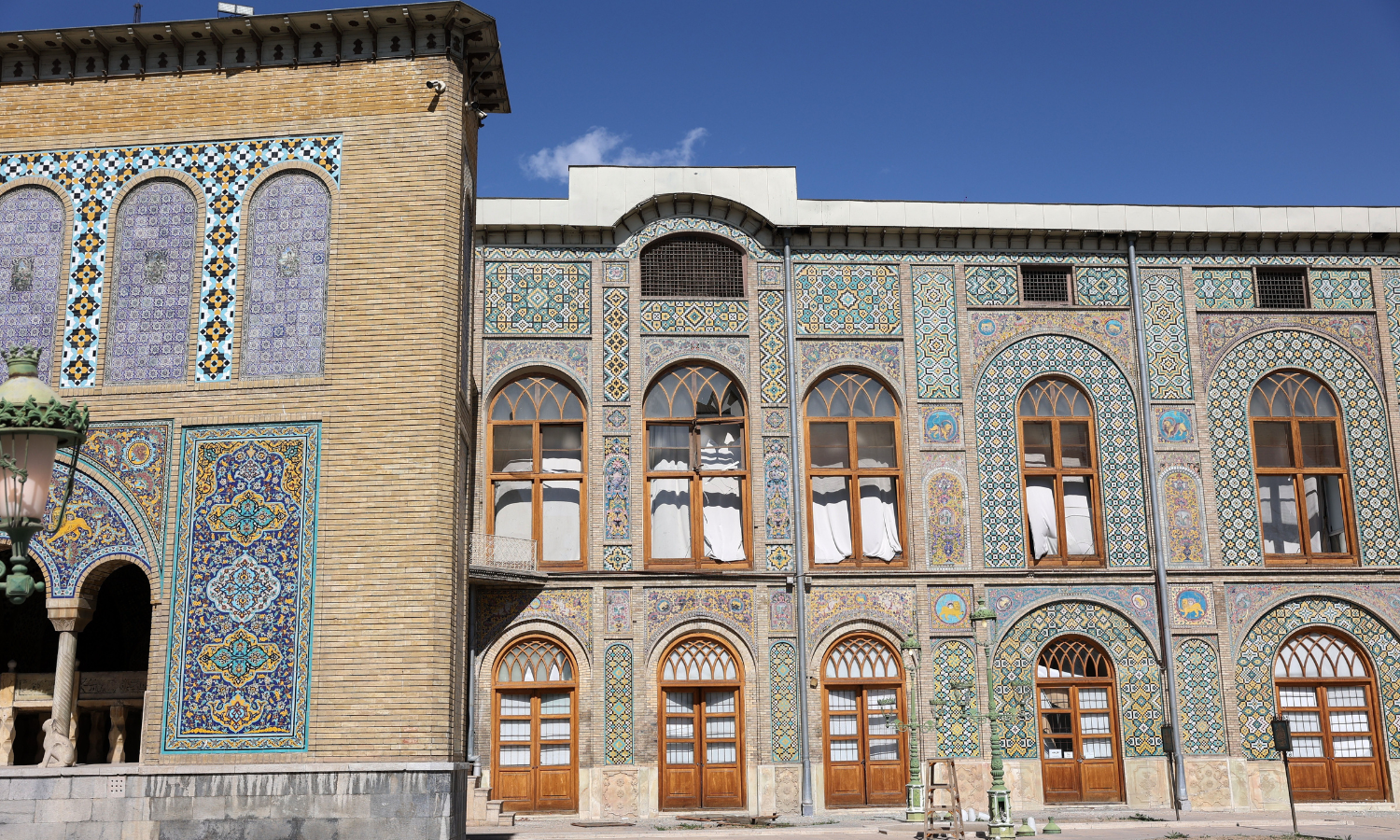
A fragile truce in place since April 8 has allowed experts to begin evaluating the extent of the harm, though some repairs could take years. At Golestan Palace, a UNESCO World Heritage site in central Tehran listed in 2013, shattered mirrors, broken doors and debris from ornate ceilings were left scattered after shockwaves from strikes on the capital.

The former royal residence, known for its gardens, pools and royal halls that blend 19th-century Persian and European architectural styles, remains closed to the public. A restoration specialist and head of the technical engineering department at the palace told AFP that damage has been assessed at several levels but a more detailed evaluation is still underway.

Teams are currently focused on stabilising damaged structures to prevent further collapse before broader restoration can start. Initial estimates put the cost of work at the site at around $1.7 million, though that figure could rise. Repairs could take two or more years.

"Fifty to 60 percent of its doors and windows are broken," the director of the Golestan Palace museums told the official IRNA news agency. The palace's Mirror Hall, known for its shimmering mosaics, and the Marble Throne were seriously damaged.

At least five UNESCO-listed sites were damaged during the conflict, including Chehel Sotoun Palace and the Masjed-e Jame mosque in Isfahan as well as prehistoric sites in the Khorramabad Valley. The war also affected at least 140 culturally and historically significant locations across the country, according to the head of Iran's National Commission for UNESCO.


These include the Marble Palace, the Teymourtash house and the Saadabad Palace complex in northern Tehran. The head of Iran's National Commission for UNESCO said the shadow of war still affects planning for restoration work. He added that even after repairs, sites may not recover their original character because cultural heritage depends on originality.

" he said. Funding remains a challenge as the government has not announced a restoration budget while dealing with the effects of the war and a U.S. blockade that has disrupted exports. Negotiations are ongoing to secure support from UNESCO and other international organizations, which have limited budgets.

When asked about the overall cost of restoring the damaged sites, the head of Iran's National Commission for UNESCO said all of them are priceless.

Key Facts

Golestan Palace damage
50-60% of doors and windows broken
UNESCO sites affected
at least five listed sites damaged
Total locations hit
at least 140 culturally significant sites
Golestan repair cost
initial estimate $1.7 million
Truce date
in place since April 8

Story Timeline

3 events
  1. February 28, 2026

    War with the United States and Israel began, leading to strikes on Iranian sites.

    1 sourceAl-Monitor
  2. April 8, 2026

    Fragile truce took effect, allowing initial damage assessments to begin.

    1 sourceAl-Monitor
  3. May 9, 2026

    Conservationists reported ongoing stabilization work and estimated repair costs at Golestan Palace.

    1 sourceAl-Monitor

Potential Impact

  1. 01

    Restoration of Golestan Palace may require two or more years before reopening to the public.

  2. 02

    Iran has not announced a government budget for repairing damaged cultural heritage sites.

  3. 03

    Damaged heritage sites could lose aspects of their original character despite restoration efforts.

  4. 04

    UNESCO and international organizations may provide limited funding for site repairs in Iran.

Transparency Panel

Sources cross-referenced1
Confidence score75%
Synthesized bySubstrate AI
Word count445 words
PublishedMay 10, 2026, 2:00 AM
Bias signals removed2 across 1 outlet
Signal Breakdown
Loaded 1Amplifying 1

Related Stories

SEC Chair Paul Atkins Says Congress Will Pass Crypto Legislationibtimes.com
finance24 min agoDeveloping

SEC Chair Paul Atkins Says Congress Will Pass Crypto Legislation

SEC Chair Paul Atkins stated he is confident Congress will pass crypto market structure legislation. He added that President Trump will sign the bill into law.

WA
BI
2 sources
Iran Says Strait of Hormuz Management Belongs to Iran and Omanasiaone.com
finance24 min agoDeveloping

Iran Says Strait of Hormuz Management Belongs to Iran and Oman

Iran's Foreign Ministry spokesperson stated that control of the Strait of Hormuz must be decided solely by Iran and Oman. The spokesperson also said no agreement has been reached with the United States and that current focus remains on ending the war.

DE
LI
ZE
IN
4 sources
Fed Official Highlights Regulatory Barriers to AI Productivity Gainscnbc.com
finance24 min agoDeveloping

Fed Official Highlights Regulatory Barriers to AI Productivity Gains

A Federal Reserve official stated that productivity growth remains key to economic expansion and that regulatory hurdles are the main obstacle to sustained gains from artificial intelligence.

FI
FI
2 sources