Iran Establishes Agency to Vet and Tax Ships in Strait of Hormuz
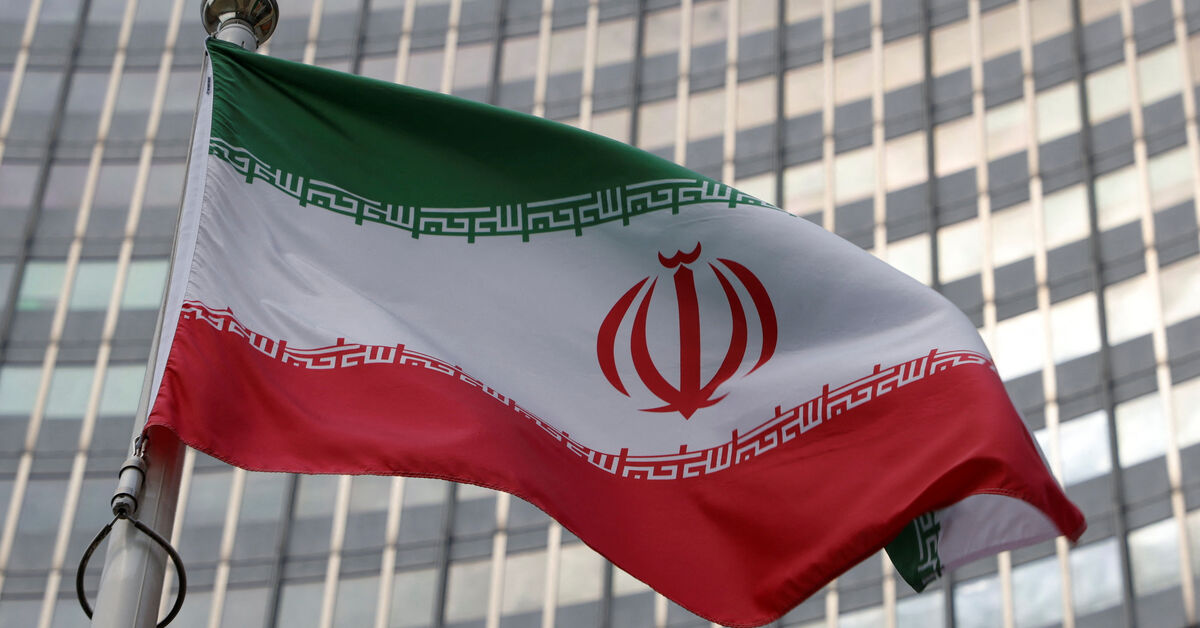
Iran has created the Persian Gulf Strait Authority to approve vessel transits and collect tolls in the Strait of Hormuz, according to shipping data firm Lloyd’s List Intelligence. The move comes as Tehran reviews U.S. proposals for ending the conflict that began Feb. 28 with strikes by the U.S. and Israel.
 al-monitor.com
Iran has created a government agency to vet and tax vessels seeking passage through the Strait of Hormuz, a shipping data company reported Thursday. The development occurred as Iranian officials said they were reviewing the latest U.S. proposals for ending the war that began on Feb.
28 with strikes launched by the U.S. and Israel. The Iranian effort to formalize control over the channel has raised concerns about international shipping. Hundreds of commercial ships remain bottled up in the Persian Gulf and unable to reach the open sea.
The agency, called the Persian Gulf Strait Authority, is positioning itself as the only valid authority to grant permission to ships transiting the strait, Lloyd’s List Intelligence said in an online briefing. Lloyd’s List Intelligence said the authority had emailed it an application form for ships seeking passage.
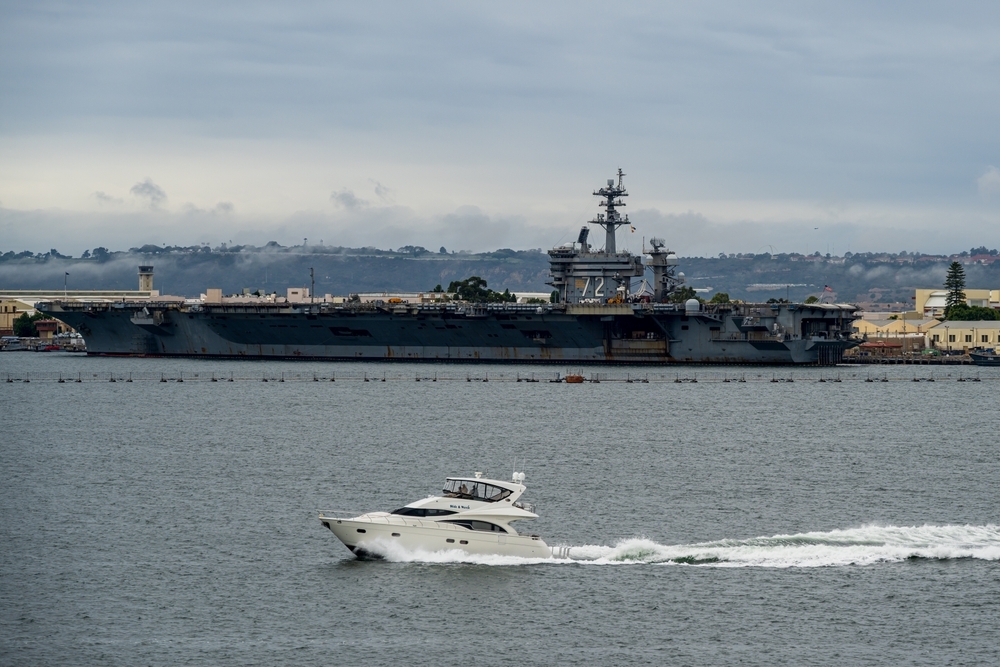
Iran has effectively closed the strait, a vital waterway for the shipment of oil, gas, fertilizer and other petroleum products. The U.S. is blockading Iranian ports.
Ministry spokesperson Esmail Baghaei said the Islamic Republic was reviewing messages from Pakistan, which is mediating peace negotiations. Iran “has not yet reached a conclusion, and no response has been given to the U.S. side,” Iranian state TV reported.
Late in the day, semiofficial Iranian news agencies said explosions were heard in southern Iran near Bandar Abbas, though the reports from Fars and Tasnim did not identify the source of the blasts. Pakistani Foreign Minister Ishaq Dar spoke by phone Thursday with his Iranian counterpart Abbas Araghchi, the Pakistani Foreign Ministry said.
“We expect an agreement sooner rather than later,” Pakistani Foreign Ministry spokesperson Tahir Andrabi said Thursday. ” A tenuous ceasefire between the U.S. and Iran has largely held since April 8, though in-person talks hosted by Pakistan last month failed to reach an agreement.
An official in Saudi Arabia said the kingdom refused to support an effort to reopen the strait by force. The U.S. military suspended an attempt, dubbed Project Freedom, to open a safe passage for commercial ships through the strait. Only two American-flagged merchant ships are known to have passed through the U.S.-guarded route, and the U.S. military said it sank six Iranian small boats threatening civilian ships.
The new Iranian agency formalizes an existing vetting process that takes vessels through the strait’s northern waters near the Iranian coastline. Iran controls which ships are allowed to pass and, for at least some vessels, imposes a tax on their cargo.
Maritime law experts say Iran’s demands to vet or tax vessels violate international law. The United Nations Convention on the Law of the Sea calls for countries to permit peaceful passage through their territorial waters. The U.S. and its Gulf allies are pushing for the U.N. Security Council to support a resolution that condemns Iran’s actions on the strait and threatens sanctions.
A prior resolution calling for reopening the strait was vetoed by Russia and China. Iranian President Masoud Pezeshkian said he met recently for more than two hours with Supreme Leader Mojtaba Khamenei. In remarks aired Thursday on Iranian state television, Pezeshkian praised the supreme leader’s “sincere” behavior in what he said was a long in-person meeting.
Khamenei has only released written statements since being named supreme leader in March after his father was killed during the war’s initial strikes. Direct talks between Israel and Lebanon were scheduled to resume May 14 and 15 in Washington.