Unbiased AI-powered news
Iran has carried out executions of at least 14 prisoners on political and security charges in the three weeks following the start of a war on February 28. The executions include individuals arrested during January protests and those accused of links to opposition groups. These actions occur amid a near-total internet shutdown lasting more than a month.
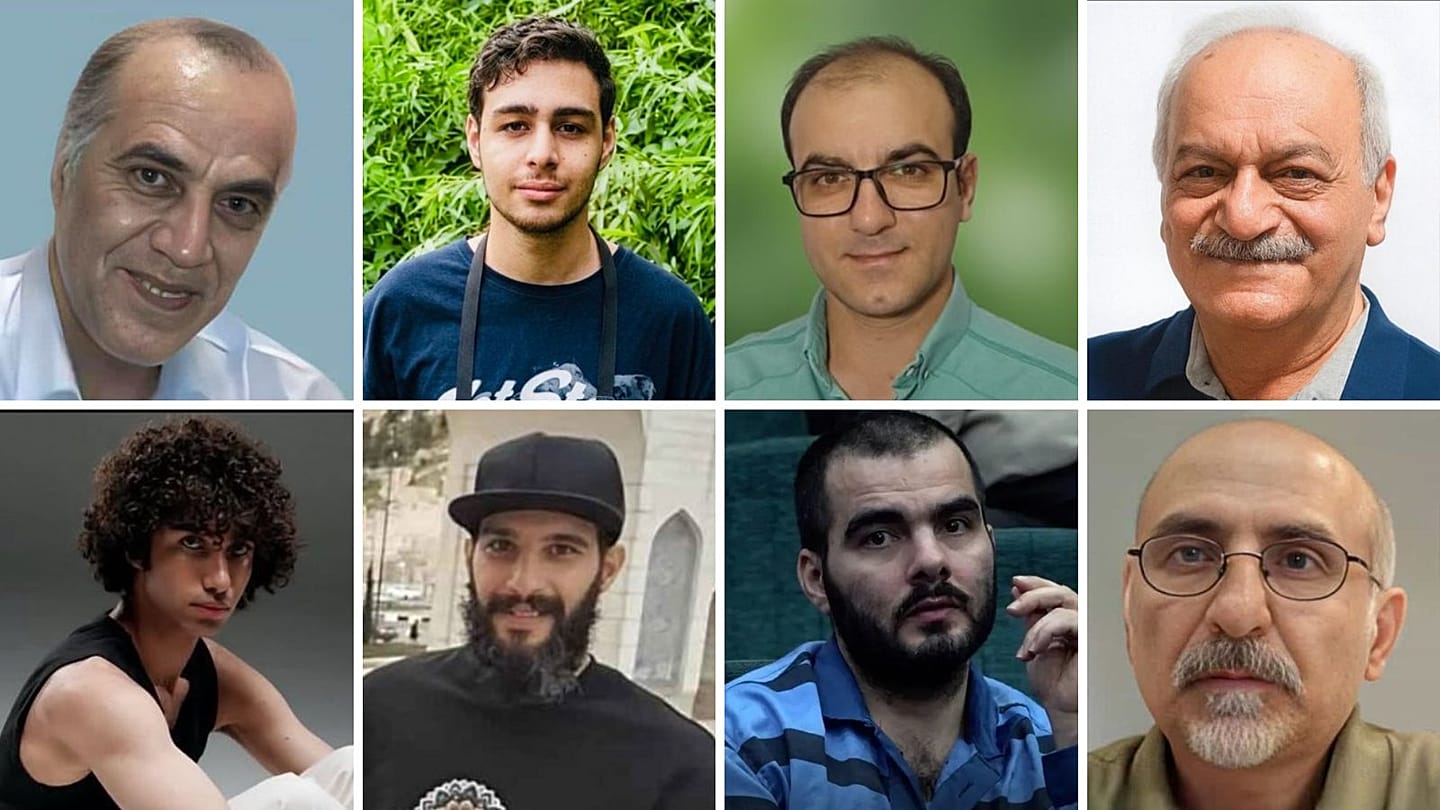
EuronewsTehran has executed at least 14 prisoners on political and security charges in the three weeks since the Iran war began on February 28. Seven of those executed were arrested during January protests and accused of setting fire to a Basij base in eastern Tehran.
Six others had been sentenced to death for alleged links to the Mujahedin-e Khalq organization, an Iranian opposition group known as MEK, and one was executed on charges of spying for Israel during last summer's 12-day conflict.
The executions take place amid a near-total internet shutdown that has lasted more than a month. Mai Sato, the UN Special Rapporteur on human rights in Iran, reported that at least 1,639 people were executed in 2025 and 975 in 2024. In January 2026 alone, at least 100 people were executed, according to her report published on March 9.
Gholamhossein Mohseni Ejei, Iran's judiciary chief, stated on Tuesday that sentences involving confiscation of property and execution for those linked to enemy groups should be carried out more quickly.
executions began on March 17 with Iranian-Swedish dual national Kourosh Keyvani, who was executed on espionage charges.
On March 18, three protesters arrested during the January demonstrations—Saleh Mohammadi, 19, Saeed Davoudi, 21, and Mehdi Ghasemi—were executed in Qom on political and security charges. On March 30, Akbar Daneshvar Kar and Mohammad Taghavi Sangdehi were executed.
They had been arrested two years earlier, and Iran's judiciary stated they were linked to the MEK and accused of carrying out armed operations in Tehran.
In a letter dated September 5, 2025, Mai Sato had called on Iranian authorities to stop the sentences, stating that the individuals had been forced to confess under torture and prolonged solitary confinement. They were subjected to severe physical and psychological abuse, denied access to lawyers and family members, and tried in short proceedings that did not meet fair trial standards, according to the letter.
The following day, officials executed Babak Alipour and Pouya Ghabadi, stating they were involved in armed activities and were members of the MEK.
The executions continued through early April.
Amirhossein Hatami, 18, was executed on April 2 after being arrested during the January protests and accused in the Basij base fire case. Two days later, authorities executed Abolhassan Montazer, 66, and Vahid Baniamerian, 33, on charges of membership in the MEK; they had been arrested in December 2022.
Mohammad Amin Biglari and Shahin Vahedparast were executed on April 5 in connection with the same case.
Ali Fahim, 23, another protester connected to the Basij base incident, was executed on April 6.
the Basij Base Case The case involving seven people accused of attacking a Basij base in eastern Tehran has drawn scrutiny.
Authorities state the attack occurred on January 7 during nationwide protests, with the suspects arrested the same night. Ten days later, state media aired videos showing what were described as confessions by five of them. The seven defendants were tried about one month later, on February 7, in Revolutionary Court, presided over by Judge Abolghasem Salavati, and were sentenced to death.
Human rights lawyers who reviewed videos from the scene state the footage shows individuals pushing people into the building and locking the doors. These individuals appeared to be government agents because they could control access to the building, according to the lawyers; voices in the video can be heard shouting "don't push," after which the building was set on fire.
After protests on January 7 and 8, Mohseni Ejei linked some protesters and detainees to Israel and called them "traitors," stating there would be no leniency in their punishment.
The broader context involves ongoing protests, opposition activities, and the recent war, with implications for human rights standards and international monitoring. Future developments may include further UN reports or responses from affected families and advocacy groups.
Single source — no framing comparison available.
abcnews.go.comPresident Trump delivered a 26-minute address from the White House East Room on July 16, 2026, alleging vulnerabilities to foreign hacking and calling for the SAVE America Act. Democrats rejected the claims as baseless while some Republicans backed the legislation push.
abcnews.go.comTrump spoke from the White House East Room on July 16. Several broadcast networks declined to carry the remarks live on television.
New York PostVahid Aberi, 39, faces charges under UK national security laws for assisting Iranian intelligence. Officers searched addresses in Birmingham and Liverpool after the arrest.