world
Iran Executes 19-Year-Old Convicted of Arson at Military Facility During January Protests
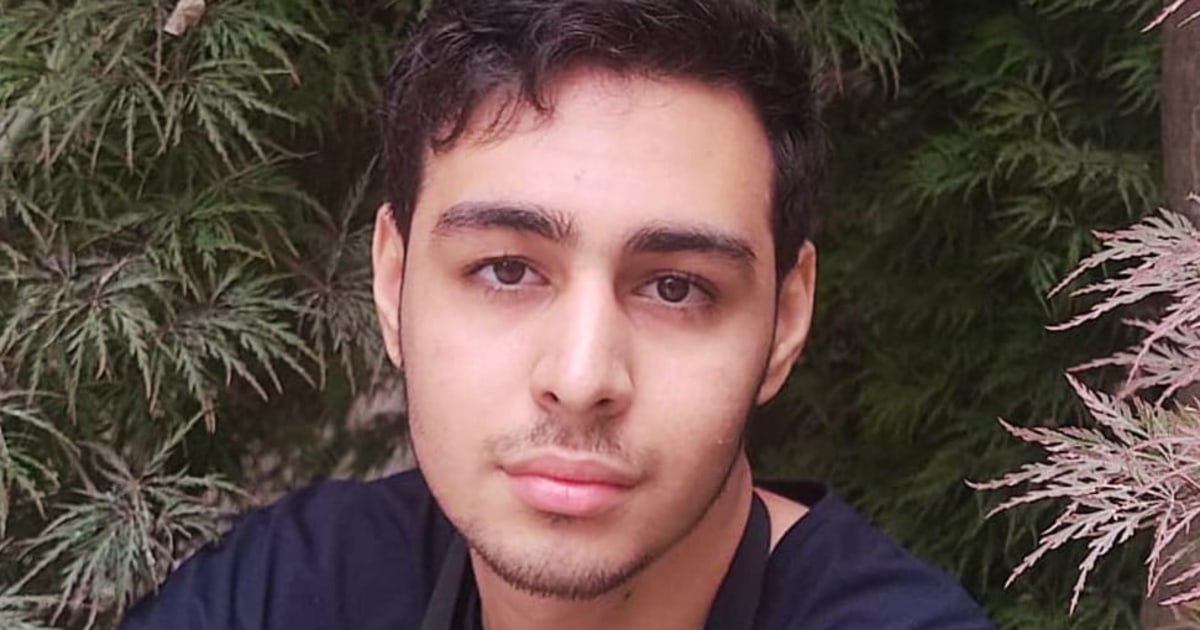
Iranian authorities executed Mohammad Amin Biglari, who disappeared during anti-government protests in early January, the judiciary news site reported on April 5. At least 28 people have been executed since mid-March, 13 of them linked to those protests, according to Iran Human Rights. The United Nations documented a surge in arrests, forced disappearances and torture following the Feb.
May 13, 5:00 PM·2m read1 source
 Nbc News
Audio version
Tap play to generate a narrated version.
Developing·Limited corroboration so far. This page will refresh as more sources emerge.
Iranian authorities hanged 19-year-old Mohammad Amin Biglari on or before April 5, the news site of the Iranian judiciary reported that day. Biglari had disappeared in early January during anti-government protests in Iran. His father searched morgues in Tehran for one month afterward, according to a relative of Biglari who spoke to NBC News.
A lawyer from the revolutionary court later contacted the family and said Biglari had been arrested. He was held at Ghezel Hesar prison, approximately 30 miles west of Tehran. Biglari’s father was not allowed to visit him there.
While in prison, Biglari was permitted only one-minute phone calls with his father. On the fourth call, the teenager told his father while sobbing that he had received a death sentence. Biglari worked at a hair salon and the internet department of a chain store and had been taking music classes while saving to buy a computer.
Biglari was arrested in early January while walking home from work in an area where protests were taking place and a building had been set on fire. Members of the Basij paramilitary force pushed Biglari and others into their base and confronted them. The Mizan news site accused him of breaking into a military facility and setting the building on fire.
Biglari’s lawyer, Hassan Aghakhani, told the Emtedad news site in February that he was not allowed to review the case or present a defense. After the execution, Iranian authorities refused to give Biglari’s body back to the family or tell them where he may be buried. Iran Human Rights reported Biglari’s death in early April.