Substrate
world

Iran Faces Higher Prices and Job Losses After U.S. and Israel Strikes

Iranian residents report sharp increases in food prices and widespread job losses following weeks of U.S. and Israeli strikes. An internet blackout and shipping disruptions have added to the economic strain.

csmonitor.com
1 source·May 21, 9:27 PM(7 days ago)·1m read
Iran Faces Higher Prices and Job Losses After U.S. and Israel Strikescsmonitor.com
Audio version
Tap play to generate a narrated version.

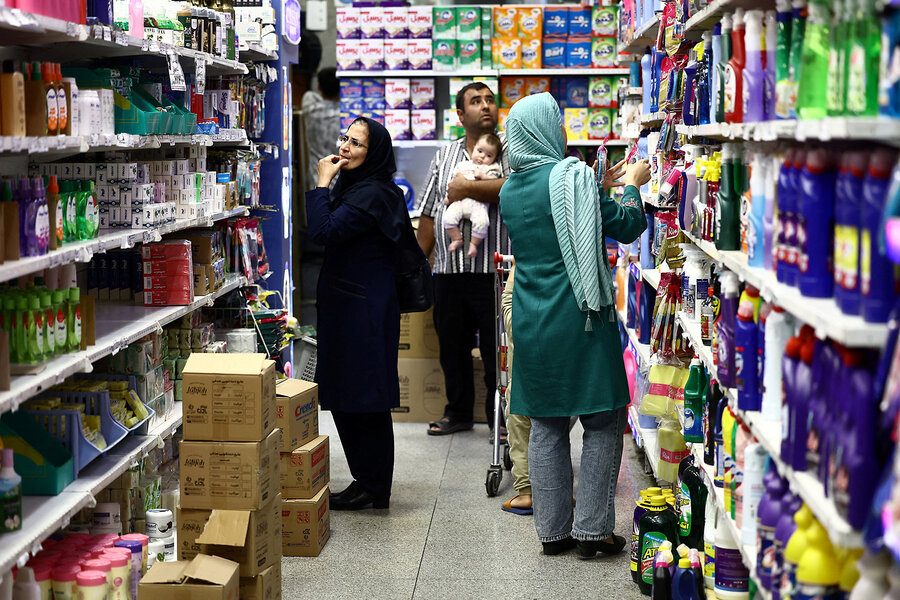
Iranian residents are coping with sharp increases in food prices and job losses after weeks of U.S. and Israeli strikes on Iranian targets. Official data show the price of Iranian rice rose 174 percent and edible oils increased 375 percent. Iran's Ministry of Labor estimates war-related job losses have reached 2 million.

A Tehran homemaker said prices have doubled or tripled since the strikes began. She described buying fewer groceries and noted that the price of plastic bags has tripled after attacks on petrochemical sites. Inspections of 41,000 retail stores in March found 12 percent involved cases of price gouging or hoarding, according to the semiofficial Mehr News Agency.

Labor unionist Hamid Haj-Esmaili estimates actual job losses are between 3 million and 4 million. He stated there are no protection schemes for the newly unemployed. A power engineer in Tehran warned that further strikes on energy infrastructure could lead to food scarcity.

An internet blackout has compounded uncertainty for residents. Student counselor Naimeh said she and her husband have taken second jobs to cover groceries and bills. She stated that the couple works longer hours and fears the war could resume. Esfandyar Batmanghelidj, CEO of the Bourse & Bazaar Foundation, said damage to industrial sites and the prolonged internet shutdown will affect economic performance.

He noted that a smaller economy could still allow continued harassment of shipping in the Strait of Hormuz. Parliamentary speaker Mohammad Baqer Qalibaf blamed external pressure for the economic difficulties and urged the public to reduce consumption.

Key Facts

Rice prices
rose 174 percent after strikes
Edible oil prices
increased 375 percent
Job losses
estimated at 2 million by Labor Ministry
Internet blackout
ongoing since strikes began

Story Timeline

3 events
  1. April 8, 2026

    A ceasefire took effect after U.S. and Israeli strikes on Iranian targets.

    1 sourcecsmonitor.com
  2. May 2026

    Iran's Ministry of Labor reported 2 million war-related job losses.

    1 sourcecsmonitor.com
  3. May 21, 2026

    President Trump said he had delayed a planned major attack on Iran.

    1 sourcecsmonitor.com

Potential Impact

  1. 01

    Higher food prices may reduce household food purchases across Iran.

  2. 02

    Job losses could increase demand for informal work in major cities.

  3. 03

    Damage to petrochemical plants may raise costs for plastic goods.

Transparency Panel

Sources cross-referenced1
Confidence score75%
Synthesized bySubstrate AI
Word count263 words
PublishedMay 21, 2026, 9:27 PM
Bias signals removed2 across 1 outlet
Signal Breakdown
Loaded 1Speculative 1

Related Stories

Journalists in Gaza to Receive 2026 Golden Pen of Freedom Awardstraitstimes.com
world2 hrs ago

Journalists in Gaza to Receive 2026 Golden Pen of Freedom Award

Three international news agencies will accept the award on behalf of their local staff still reporting from the territory. The World Association of News Publishers cited the journalists' continued coverage under extreme conditions.

Al-Monitor
AF
2 sources
Supreme Court Revives Havana Docks Lawsuit Over Confiscated Cuban Propertyupi.com
world2 hrs ago

Supreme Court Revives Havana Docks Lawsuit Over Confiscated Cuban Property

The U.S. Supreme Court sent a Helms-Burton Act case back to lower courts for further argument. The suit seeks damages from cruise lines that used docks seized by Cuba in 1959.

FO
1 source
Pakistan Population Growth Outpaces Infrastructure as Male Contraception Stays TabooFrance 24
world2 hrs agoDeveloping

Pakistan Population Growth Outpaces Infrastructure as Male Contraception Stays Taboo

Pakistan's population exceeds 258 million and could reach 300 million by 2030. Contraception remains largely taboo in a society shaped by traditional values. The country continues to lag behind neighbors India and Bangladesh in key social sectors.

FR
France 24
2 sources