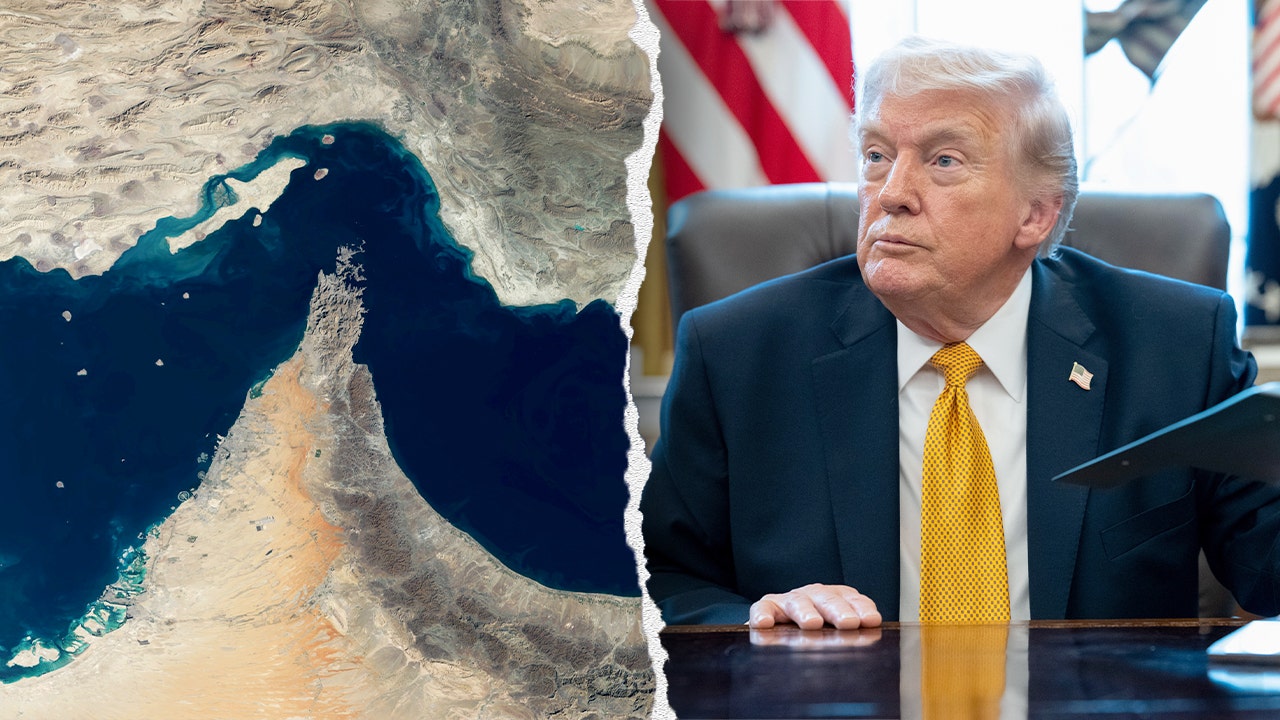
Iran Faces Severe Economic Pressure After U.S. and Israeli Strikes
Iran's economy has deteriorated sharply following U.S. and Israeli military actions, with annual inflation reaching 67 percent in mid-April. Officials reported that the conflict has left one million people unemployed as oil and manufacturing sectors sustained damage. The currency fell to a record low of 1.8 million rial to the U.S.
Substrate placeholder — needs reviewIran's government has withstood U.S. and Israeli military strikes but the economic conditions that contributed to the recent conflict have worsened. Spiraling inflation and a collapsing currency triggered mass protests in late December and early January.
Authorities responded with a crackdown that left tens of thousands dead according to estimates. An official in Iran's labor and social affairs ministry said the war has put a million people out of work. Top employers in the oil and manufacturing sectors suffered damage from the conflict.
Parliament's speaker and top negotiator warned Wednesday that the U.S. blockade represented a "new phase" of war. The speaker said the enemy has pinned great hope on economic pressure. The government has urged citizens to limit consumption of water, electricity and gas.
Authorities in the capital called on residents to use public transportation instead of private cars while the steel industry encouraged companies to ration steel sheets. First vice president admitted that prices for certain products rose by more than 100 percent in less than a week.
The overall annual inflation rate reached 67 percent in mid-April from a year earlier according to the central bank. That figure aligns with resident reports from Tehran and other cities that some prices increased around 40 percent in the six weeks after the war began.
Food inflation had climbed to 64 percent annually in October before accelerating to 105 percent by February pushing overall inflation to 47.5 percent just before the conflict. A housewife in Tehran reported that a block of cheese rose 29 percent in price in one week.
Authorities are expected to approve a 40 percent increase in the price of cement which is needed for rebuilding war damage. Prosecutors in Tehran have said they will impose sentences of up to 20 years in prison and flogging on those convicted of price gouging or hoarding staple goods.
The government has raised wages distributed cash to the poor and issued coupons for items including rice chicken and cooking oil. These measures are adding further strain to government finances. Without new revenue authorities could face difficulty meeting payroll which would threaten the government's ability to maintain control according to an insider close to the establishment who spoke last month.
Another official said the country will face a disaster if sanctions are not lifted. The official noted that the largest industrial plants will require months or years to repair.
Iran's currency reached a record low of 1.8 million rial against the U.S. dollar on Wednesday. The rial had fallen 8 percent in the first month and a half of the war and lost 60 percent of its value in the months following a 12-day conflict with Israel last June.
State media estimated that reconstruction could cost around $270 billion. That sum equals nearly 80 percent of Iran's GDP of $341 billion. Hopes for a lasting peace agreement between the U.S. and Iran remain high but rebuilding efforts would take years.
The government may not be able to count on neighbors such as the United Arab Emirates to help facilitate oil trades or provide capital after the conflict ends. Some residents have responded to the grim outlook with increased spending on immediate consumption.
One woman visiting Turkey in late April described packed restaurants even as the broader economy stagnated saying many have stopped trying to save.
Key Facts
Story Timeline
5 events- 2026-05-07
Currency hit record low of 1.8 million rial to the dollar.
1 source@FortuneMagazine - 2026-04-28
Crowds gathered at Grand Bazaar in Tehran amid economic strain.
1 source@FortuneMagazine - Mid-April 2026
Annual inflation reached 67 percent according to central bank.
1 source@FortuneMagazine - Late December 2025 to early January 2026
Mass protests occurred over inflation and currency collapse.
1 source@FortuneMagazine - October 2025
Food inflation stood at 64 percent annually before further rise.
1 source@FortuneMagazine
Potential Impact
- 01
Government finances will face increasing strain from wage hikes and subsidies.
- 02
Reconstruction of damaged industrial plants could take years to complete.
- 03
Further currency depreciation may reduce Iranian purchasing power.
- 04
Authorities may have difficulty meeting payroll without new revenue.
Transparency Panel
Related Stories
Fox NewsJustice Department Files Denaturalization Cases Against 12 Naturalized Citizens for Alleged Fraud, Terrorism Ties and Criminal Concealment
The Trump administration announced a dozen new cases on May 8, 2026, targeting individuals accused of concealing ties to terrorism, war crimes, espionage and sexual abuse of minors. Acting Attorney General Todd Blanche said those who obtained citizenship through fraud should be w…
Fox NewsTrump Administration Seeks to Revoke Citizenship of 12 Naturalized Americans
The Justice Department on Friday filed denaturalization actions against a dozen foreign-born U.S. citizens accused of concealing terrorism ties, committing sex crimes, war crimes or immigration fraud. The cases mark a sharp increase in use of a rarely invoked process that prior a…
Spirit Airlines Files for Bankruptcy
The ultra-low-cost carrier launched in 1992 will cease operations in May 2026, removing a major disruptor from the U.S. market. Global airlines canceled 13,000 flights in May amid soaring fuel costs triggered by the closure of the Strait of Hormuz. Toyota reported a £3bn hit from…