world
Iran Limits Daily Ship Crossings Through Strait of Hormuz
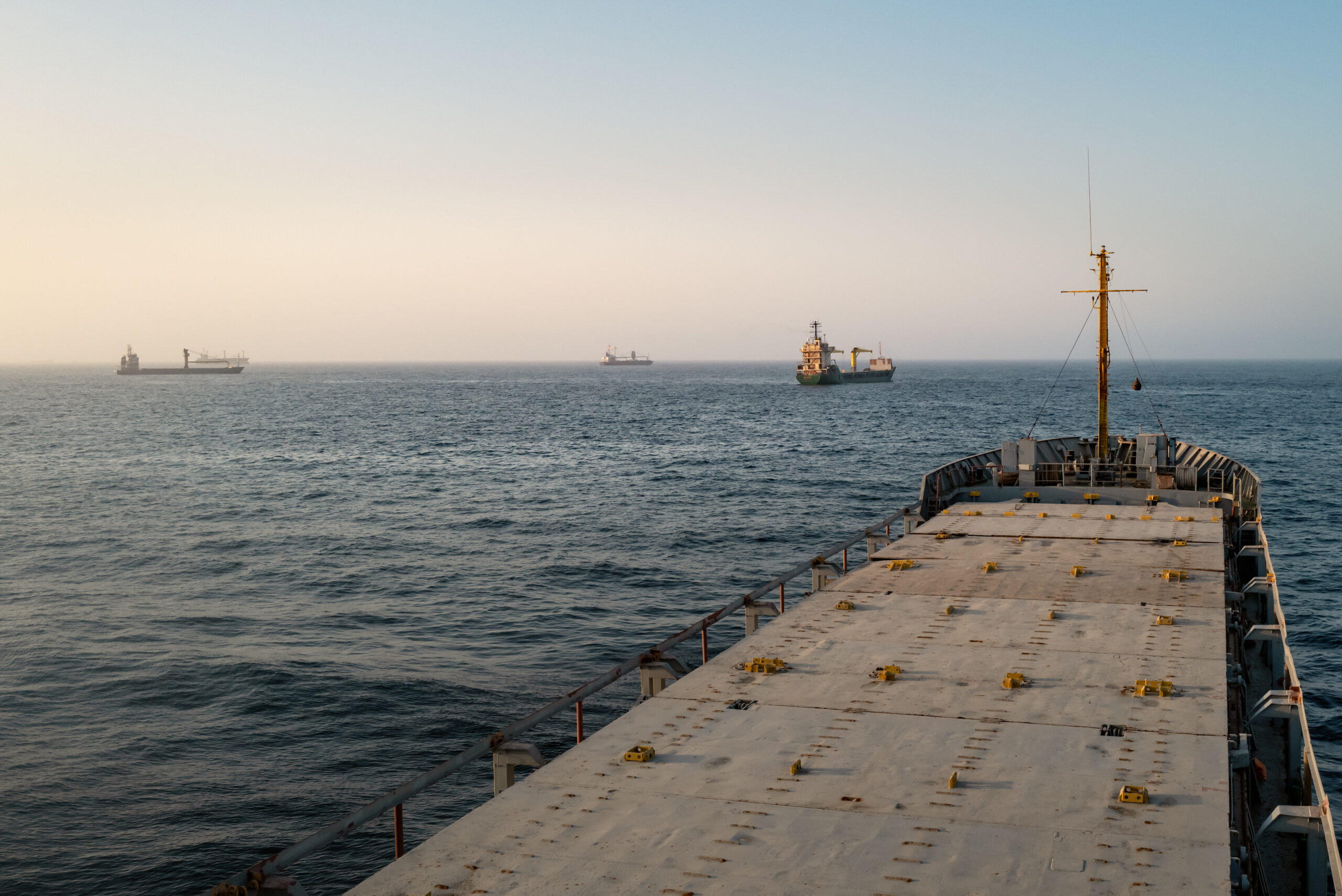
Iranian authorities reported managing vessel traffic in the Strait of Hormuz by assigning designated routes. Twenty-four ships crossed in the most recent 24-hour period, down from 26 the day before. Tehran stated the measures aim to prevent congestion in the waterway that carries one-third of global seaborne oil.
May 29, 9:04 AM·1m read1 source
MA
 naturalnews.com
Audio version
Tap play to generate a narrated version.
Developing·Limited corroboration so far. This page will refresh as more sources emerge.
Iranian authorities have begun assigning designated routes for vessels transiting the Strait of Hormuz. The approach mirrors air-traffic control procedures for sequencing ship movements. Twenty-four ships crossed the strait in the most recent 24-hour period. Twenty-six ships crossed the previous day.
Tehran stated the limits are intended to avoid congestion. The statement did not specify which vessels are subject to routing instructions or how compliance is enforced. The strait remains open to commercial traffic. One-third of the world's seaborne oil moves through the waterway. Source material from @AJENews provided the crossing counts and the stated rationale for the routing system.
Transparency
How sources framed this
MA
MA
Single source — no framing comparison available.
CorroborationLimited · 1 source