Iran Maintains Fleet of Fast Boats in Strait of Hormuz
Iran operates hundreds of small fast-attack boats as part of the Islamic Revolutionary Guard Corps navy. The vessels have been used to harass shipping in the Strait of Hormuz, through which about one-fifth of global oil and gas passes. The U.S. military has conducted operations against some of the boats but has not reopened the strait to normal merchant traffic.
Financial TimesHundreds of fast-attack boats operated by Iran lie hidden in coves, caves and tunnels along the country's southern coast. At a signal, the vessels swarm into the Strait of Hormuz, where they harass ships and demonstrate the ability to disrupt passage through the waterway.
Many of the boats are basic speedboats with light armament while others carry short-range missiles. The boats form part of the Islamic Revolutionary Guard Corps navy and have faced the U.S. Navy while contributing to reduced traffic through the strait.
The vessels lack the firepower to seriously damage U.S. warships or modern tankers. Coupled with missiles and drones, however, they have created a threat level that has deterred many merchant ships. "Anytime there’s something flying at a vessel, whether it’s a navy vessel or a merchant vessel, it’s a real and present risk to the sailors or mariners on board," said Joshua Tallis of the Center for Naval Analyses.
The U.S. military has deployed a large naval presence to the region. Officials said attack helicopters sank six fast boats on Monday during an operation called Project Freedom that aimed to allow merchant ships to transit the strait. The U.S. military reported that only six boats approached during that incident compared with the 20 to 40 typically seen in such groups.
A U.S. military commander stated that the lower number of boats dispatched provided evidence that the capability had been degraded. Iran stated that the U.S. struck civilian boats. The U.S. military has said it took down additional small boats in skirmishes on following days.
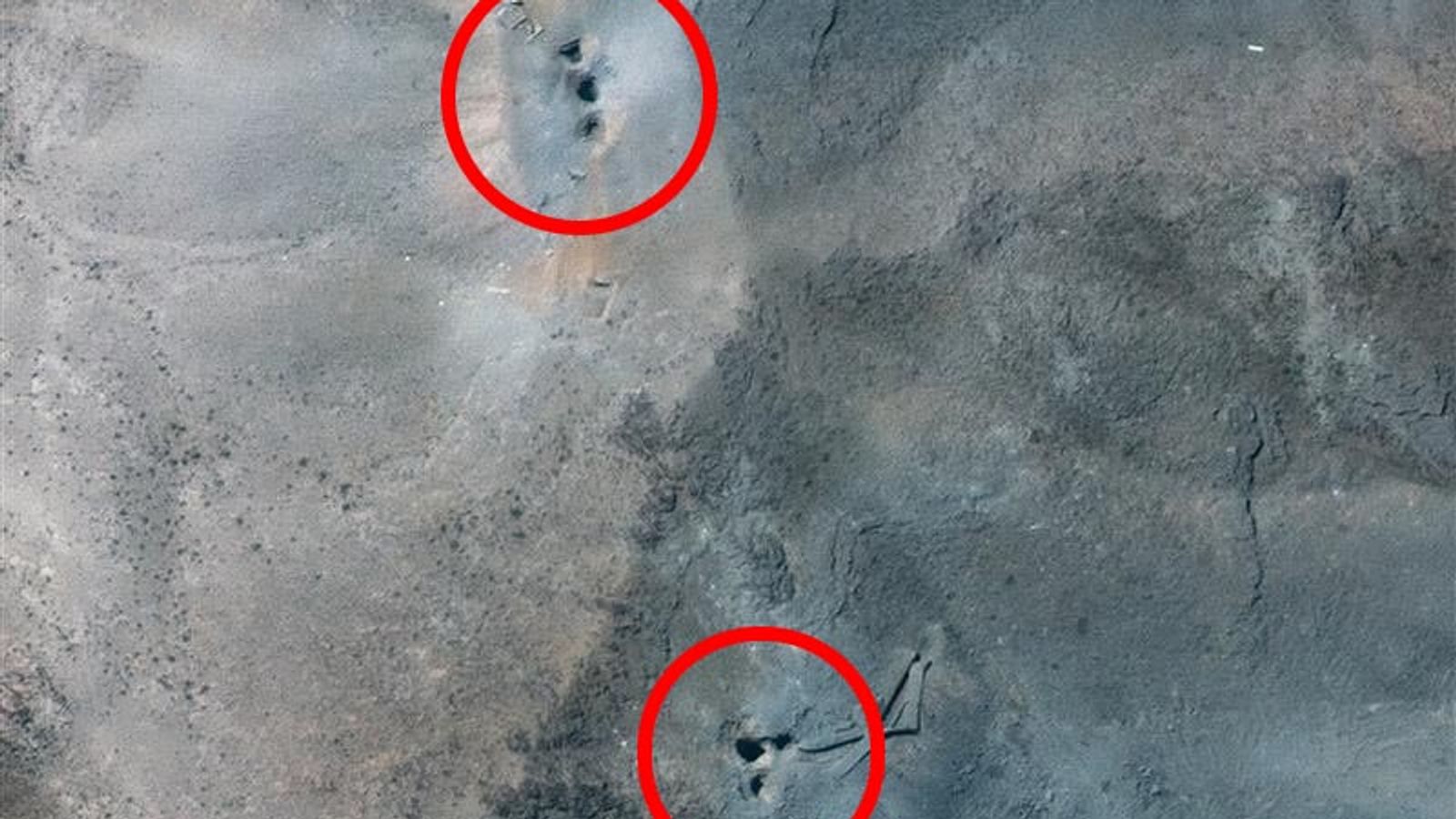
The operation was paused to allow room for negotiations with Tehran. Iran continues to control the flow of merchant vessels through the strait while the U.S. maintains a blockade on Iranian ports.
The fast boats were first developed during the Iran-Iraq war in the 1980s. They operate in packs to intimidate slower vessels, target crews, damage cargoes, assist in ship seizures and lay mines. The fleet uses inexpensive domestically produced boats that can be replaced easily along with more advanced models such as the Seraj-1, which is based on a British racing boat design.
The conventional Iranian navy consists of older vessels including corvettes acquired more than 50 years ago and aging submarines, some of which are inoperable. One analyst described destruction of the conventional navy as true but irrelevant because that force had functioned mainly as a parade unit.
Iran relies instead on the IRGC navy, cruise missiles, drones and other asymmetric assets. Estimates place the IRGC fleet at between 500 and 1,000 operational armed speedboats of varying capabilities. The force also controls more than 1,000 drone boats and coastal missile batteries.
The IRGC has held sole responsibility for defense of the Gulf and the Strait of Hormuz since 2007.
If the boats remain operational and Iran proceeds with plans to charge vessels passing the strait after the current conflict, the fast-attack craft would play a central role in policing the waterway. The U.S. Navy possesses the ability to counter the threat but it requires substantially more resources to protect shipping than it takes to raise insurance costs and discourage transit.
"They don’t have to hit every ship going through Hormuz, they just have to hit enough to keep the insurance market on edge," one analyst said. " The U.S. Navy’s Fifth Fleet, based in Bahrain, has observed these boats harassing American warships during past periods of tension.
The vessels are regarded as more of a nuisance than a lethal threat when operating in open water but could be equipped with explosive charges. Analysts note that sustained U.S. naval presence in the region would be required to keep the boats suppressed over time.
Key Facts
Story Timeline
5 events- 2026-05-09
U.S. military paused Project Freedom operation to allow room for negotiations.
1 sourceFinancial Times - This week
U.S. forces sank six Iranian fast boats during Project Freedom operation.
1 sourceFinancial Times - This week
U.S. reported taking down additional small boats in further skirmishes.
1 sourceFinancial Times - 2007
IRGC given sole responsibility for Gulf and Strait of Hormuz.
1 sourceFinancial Times - 1980s
Iran first developed fast boat tactics during Iran-Iraq war.
1 sourceFinancial Times
Potential Impact
- 01
Merchant ships continue to avoid the Strait of Hormuz due to harassment risk.
- 02
Insurance premiums for vessels transiting the strait remain elevated.
- 03
U.S. Navy maintains large fleet deployment in the region to protect shipping.
- 04
Negotiations between the U.S. and Iran may address future use of the waterway.
Transparency Panel
Related Stories
Substrate placeholder — needs reviewS&P 500 and Nasdaq Close at Record Highs on Strong Jobs Data
The S&P 500 rose 0.8 percent to end the week near 7,400 while the Nasdaq also posted record daily and weekly closes. Technology stocks rallied following a strong jobs report even as oil prices swung sharply amid the U.S.-Iran conflict. Bitcoin pulled back from recent highs as cry…
uctoday.comChina April Exports Rise 14.1%, Trade Surplus Hits Record $84.8 Billion
Chinese customs data released Saturday showed exports growing far faster than expected in April while imports also beat forecasts, pushing the trade surplus sharply higher from March. The figures come as new export orders reached their highest level in two years and GDP growth fo…
BenzingaSenate Banking Committee Schedules Vote on Crypto Market Structure Bill for May 14
The Senate Banking Committee will hold a markup hearing and vote on the Digital Asset Market Clarity Act on May 14 at 10:30 a.m. ET. The bill aims to establish regulatory oversight for digital assets including stablecoins. Banks have raised concerns that provisions on stablecoin…