world
Iran Offers Strait of Hormuz Reopening for End to US Port Blockade
Iran offered to halt attacks in the Strait of Hormuz if the U.S. lifts its blockade on Iranian ports and ends the war, with nuclear talks postponed. The proposal, delivered via Pakistani mediators, comes amid a fragile ceasefire. Oil prices have surged nearly 50% since hostilities began on February 28, 2026.
Apr 22, 8:07 PM·2m read17 sources DEUN+14
 The War Zone
Audio version
Tap play to generate a narrated version.
U.S. lifting its blockade on Iranian ports and concluding the ongoing war, according to two regional officials with knowledge of the negotiations. U.S.
Through Pakistani mediators, specifies that discussions on Iran's nuclear program would occur in a later phase. Foreign Minister Abbas Araghchi delivered the proposal, as reported by @DeItaone. U.S.
And Israel initiated military action against Iran on February 28, 2026, leading to the current conflict. U.S. and Iran took effect on April 7, 2026, which President Trump extended indefinitely last week.
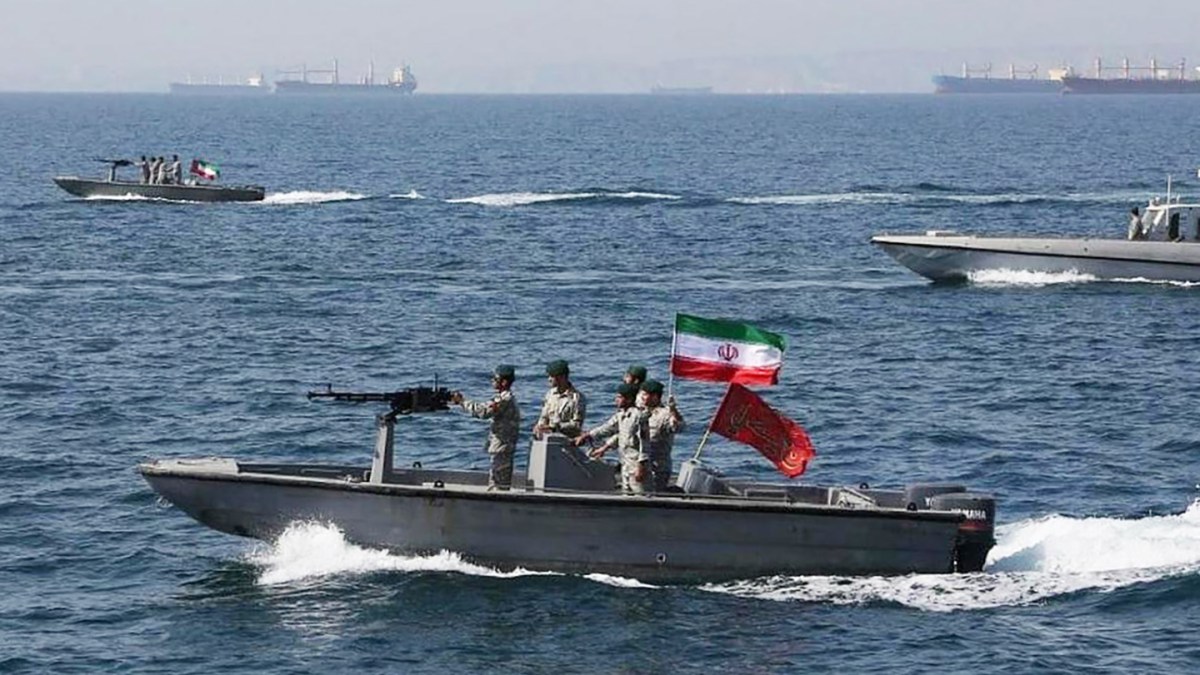
Despite the extension, Iran ramped up attacks on ships in the Strait of Hormuz, according to The War Zone. The Strait of Hormuz serves as the route for a fifth of the world's traded oil and gas in peacetime. U.S.
Blockade aims to prevent Iran from selling its oil. On April 27, 2026, the spot price of Brent crude traded at around $108 per barrel, reflecting a nearly 50% increase from levels when the war began. However, administration officials softened their predictions on Wednesday regarding an end to the Iran war and its effects on energy prices, as reported by Politico.
Iran's proposal, relayed through Pakistani mediators, includes postponing nuclear negotiations for a later stage, per @KobeissiLetter. The two regional officials noted that the offer would address the strait's closure immediately while deferring broader nuclear issues. The conflict approaches the 60-day mark from its start on February 28, 2026.
Democrats in Congress have held war powers votes four times in the Senate and twice in the House to force President Trump to end hostilities without formal authorization. Three Republicans voted across party lines to support these war powers resolutions, according to Responsible Statecraft. President Trump canceled a planned trip by Steve Witkoff and Jared Kushner, as detailed by Hot Air.