politics
Iran orders ships to use approved Strait of Hormuz routes
Iran's joint military command issued the warning on July 2 after US and Iranian diplomats met in Qatar the day before. The statement follows a June framework deal allowing 60 days of charge-free passage.
Jul 2, 11:23 AM·2m read4 sources

 +1
+1
 Euronews
Audio version
Tap play to generate a narrated version.
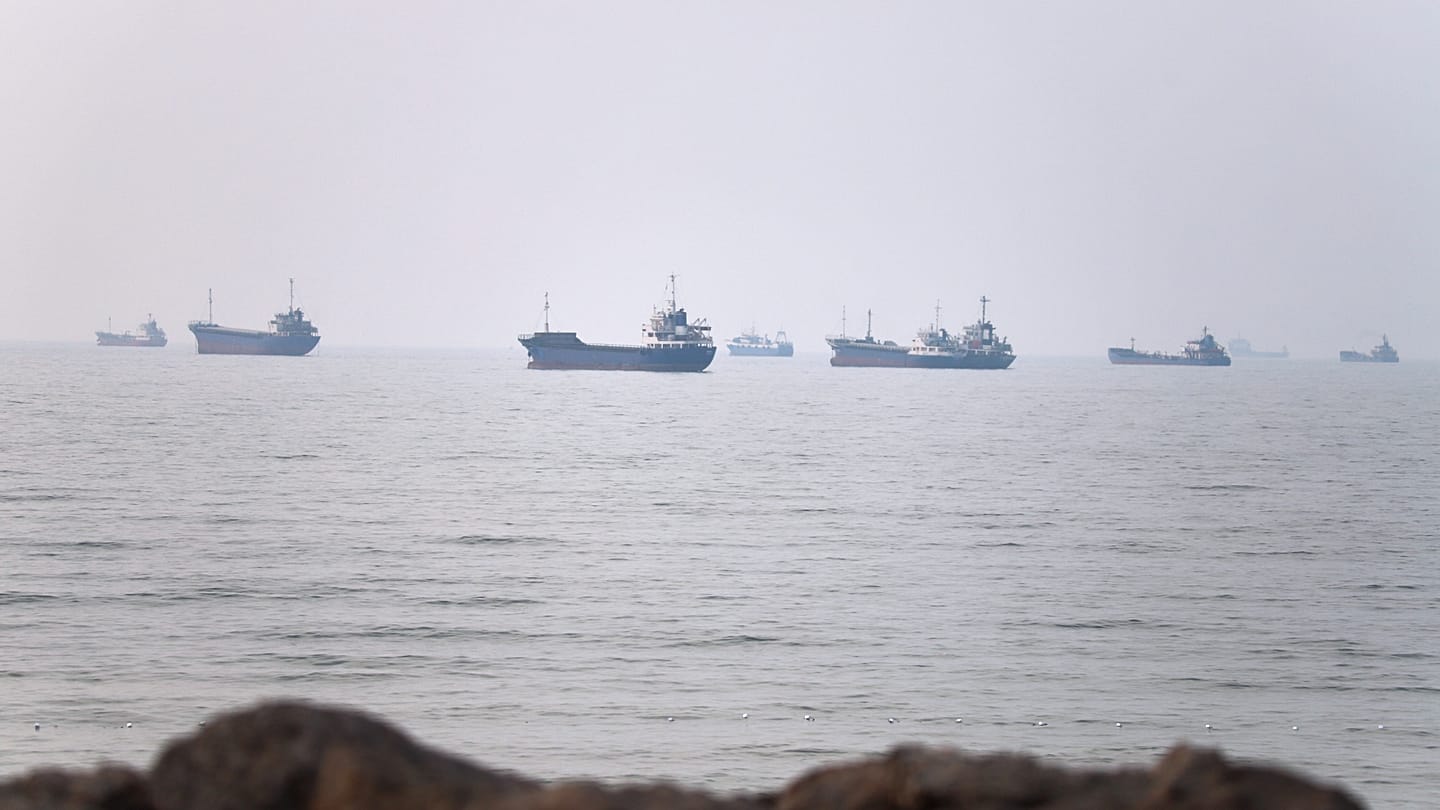
Iran's joint military command warned on July 2 that vessels transiting the Strait of Hormuz must use its approved routes or face a forceful response. The statement, carried by Iranian state television, added that any US interference in security matters would be considered a threat to Iran's national sovereignty and met with rapid, decisive reaction.
US and Iranian diplomats met with mediators in Qatar on July 1.
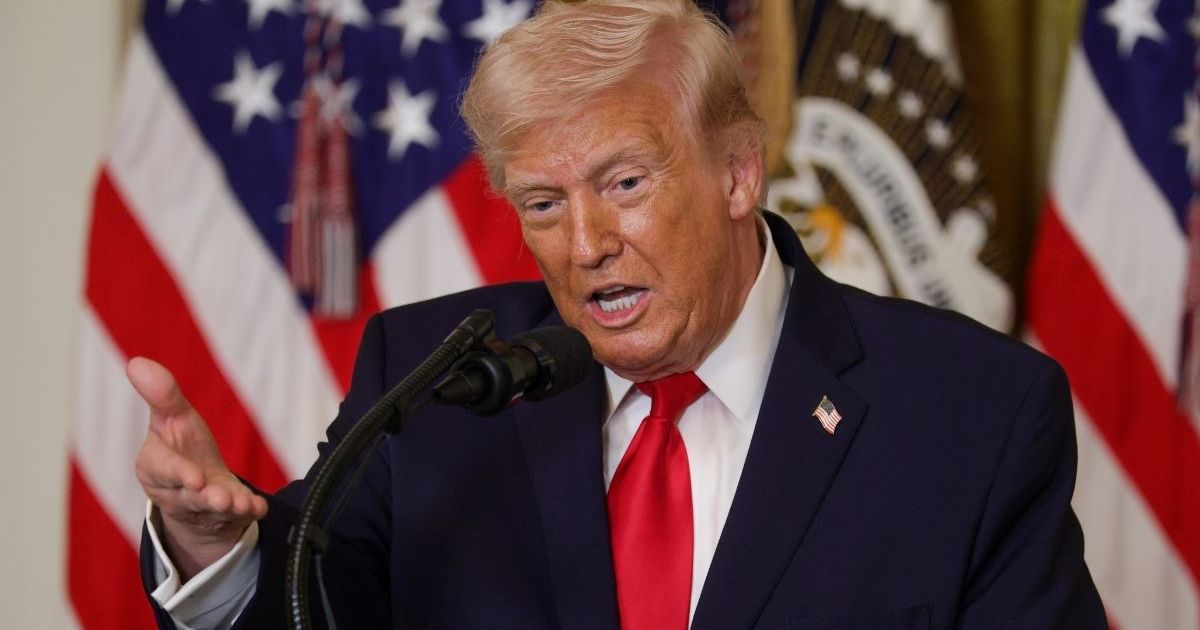
Under a framework deal reached in those talks, ships may pass without paying charges for 60 days. Tehran maintained it must control the routes and later impose passage fees, while the US and many Gulf states said they would not agree to charges. President Trump stated on July 1 that denuclearisation of Iran was moving along well.
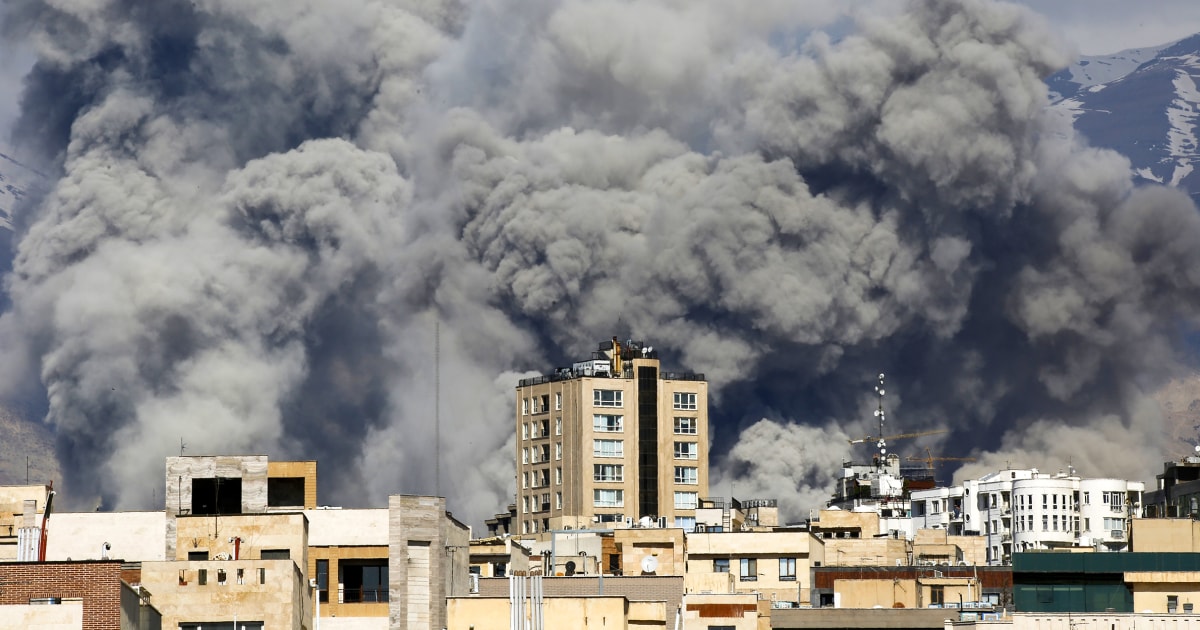
In June, Washington and Tehran agreed a 14-point memorandum of understanding brokered by Qatar and Pakistan. The MOU included a 60-day ceasefire that paused the war which began with US-Israeli strikes in late February, as well as reopening of the blockaded Strait of Hormuz.
It also set a timeline for talks to permanently end the war and address Hormuz arrangements, reconstruction funding for Iran, and Iran's nuclear programme.
Indirect negotiations in Doha on July 1 focused on Strait of Hormuz arrangements, with nuclear issues reserved for later rounds. The next round of talks is scheduled after the funeral of Ayatollah Ali Khamenei, who was killed aged 86 at his compound in central Tehran on February 28. On the Lebanon front, a strike occurred in Nabatieh on July 1 with no victims reported.
Lebanese President Joseph Aoun stated on July 2 that negotiations with Israel were not a betrayal and that he would not surrender a single inch of Lebanon's territory. Israeli Defence Minister Israel Katz said on July 1 that the Israeli army would remain until further notice in security zones in Lebanon, Syria and the Gaza Strip.
The latest Lebanon war erupted on March 2 when Hezbollah launched missiles at Israel in retaliation for the strikes that killed Khamenei.